Your Vietnam Trip Could Be Ruined by Weather - Full Guide to Vietnam Seasons
You've spent months planning your Vietnam trip. Flights booked, hotels confirmed, itinerary locked. Then you land in Da Nang in October and walk straight into a typhoon. Or you arrive in Sapa in January expecting golden terraces and find yourself shivering through fog so thick you can't see ten metres ahead.
This isn't a scare tactic. Vietnam's weather genuinely varies - sometimes dramatically - depending on where and when you travel. It is essential that you understand those differences before you book, not after you arrive.
Why Vietnam's Weather Is More Complicated Than Most Guides Tell You
Vietnam has three separate climate zones - north, central, and south - and each follows a completely different seasonal pattern.
Unlike Thailand or Bali, where the rainy season sweeps across the whole country at roughly the same time, Vietnam stretches over 1,600 kilometres from top to bottom. What's stormy in Hoi An can be perfectly clear in Hanoi. What's monsoon season in the Mekong Delta might be peak hiking weather in Ha Giang.
This is actually good news. It means there's almost always somewhere worth visiting in Vietnam, no matter what month you're travelling. The challenge is knowing which region suits your timing - and that's exactly what this guide breaks down.
Northern Vietnam Seasons: Hanoi, Ha Long Bay, Sapa, Ha Giang, Cao Bang
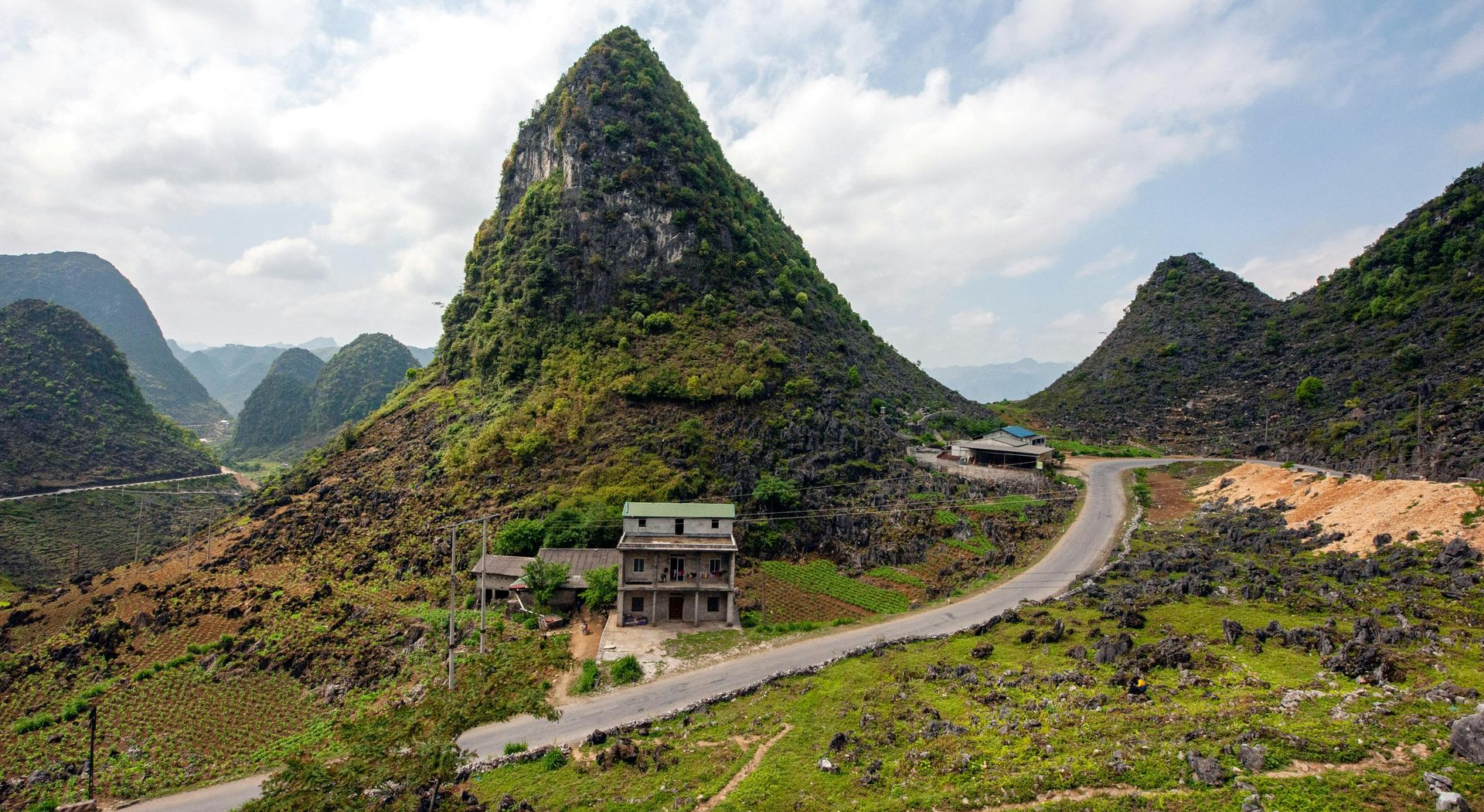
What Is the Weather Like in Northern Vietnam?
Northern Vietnam has four genuine seasons - the most dramatic seasonal variation in the country.
- October to April: Cool and dry. This is peak season for Ha Long Bay, Hanoi's Old Quarter, and Ninh Binh. Expect clear skies, manageable temperatures, and the best visibility on the water.
- December to February: Cold in the highlands. Sapa, Ha Giang, and Cao Bang can drop close to freezing. Mist and low cloud are beautiful but can obscure mountain views entirely for days at a time.
- May to September: Hot and wet. Monsoon season brings heavy downpours, and in mountainous areas like Ha Giang and Cao Bang, landslides can disrupt - or completely block - travel. Budget extra days and keep your plans flexible.
Best months for northern Vietnam: October, November, March, and April. Dry, clear, and ideal for both city exploration and mountain routes.
If Sapa's rice terraces are on your list, aim for September to early October, when the harvest turns the hillsides from green to gold. For Ha Long Bay, the window from October to April offers the clearest skies and calmest seas - conditions that make the difference between cruising through mist and waking up to a view that looks like a painting.
Central Vietnam Seasons: Da Nang, Hoi An, Hue, Phong Nha
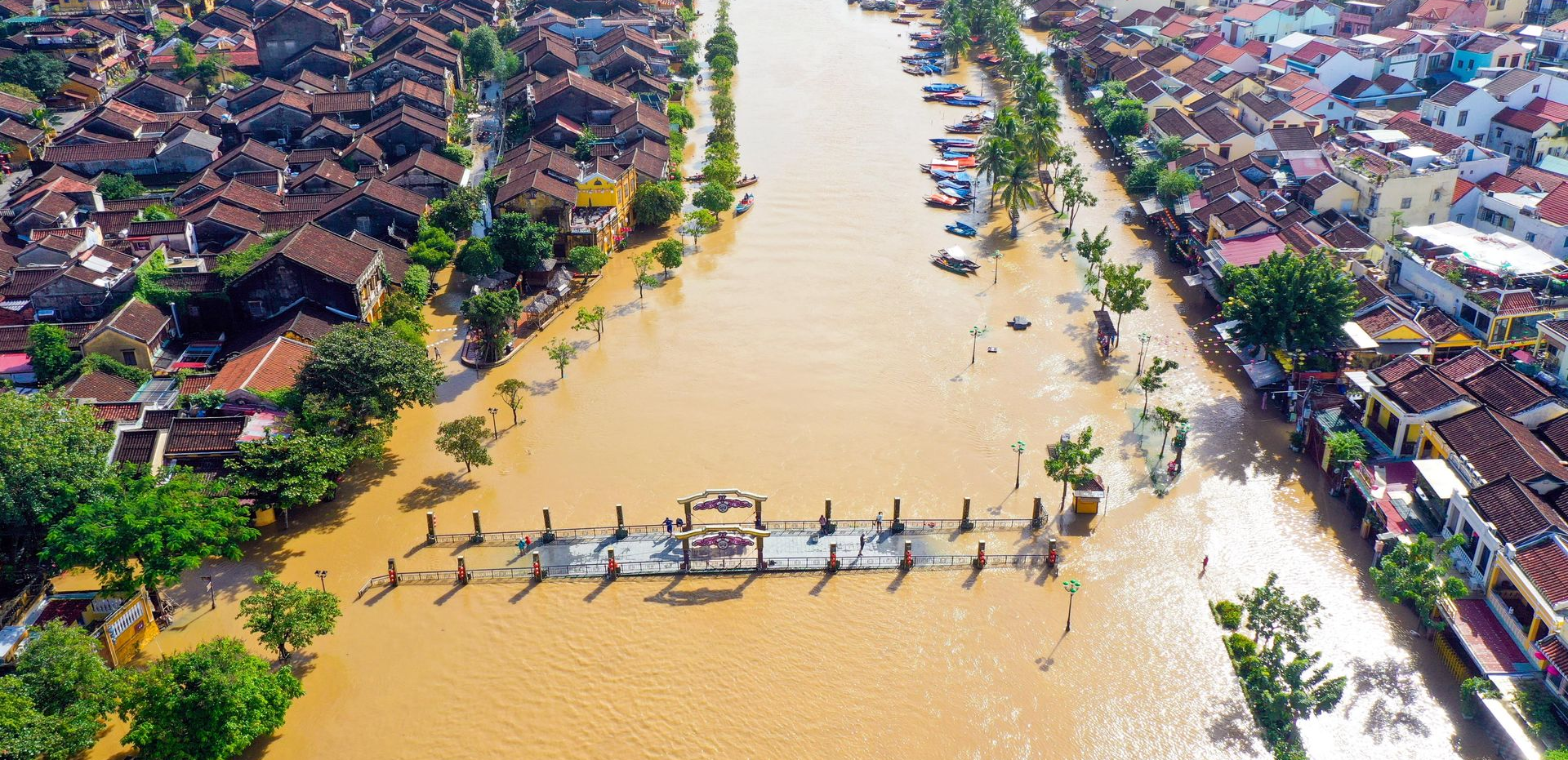
When Should You Visit Central Vietnam?
The best time to visit central Vietnam is February to August - before typhoon and flooding season arrives in September.
Central Vietnam is where weather risk is highest in the country. Typhoon season runs from September to December, and when storms hit Hoi An and Hue, flooding can happen within hours. The ancient town of Hoi An - one of Vietnam's most beloved destinations - has flooded chest-deep during peak storm months in recent years. It's not a question of comfort. It's a question of whether you can actually move around.
Here's how the seasons break down:
- February to April: Dry, warm, and uncrowded. The best shoulder-season window for the centre.
- May to August: Hot and sunny. Peak beach season for Da Nang, An Bang Beach, and the Cham Islands.
- September to November: Storm and flood risk. Travel here requires real flexibility and ideally a local contact who can read conditions on the ground.
Central Vietnam is where the generic advice - "just check the weather app" - genuinely isn't enough.
Southern Vietnam Seasons: Ho Chi Minh City, Mekong Delta, Phu Quoc
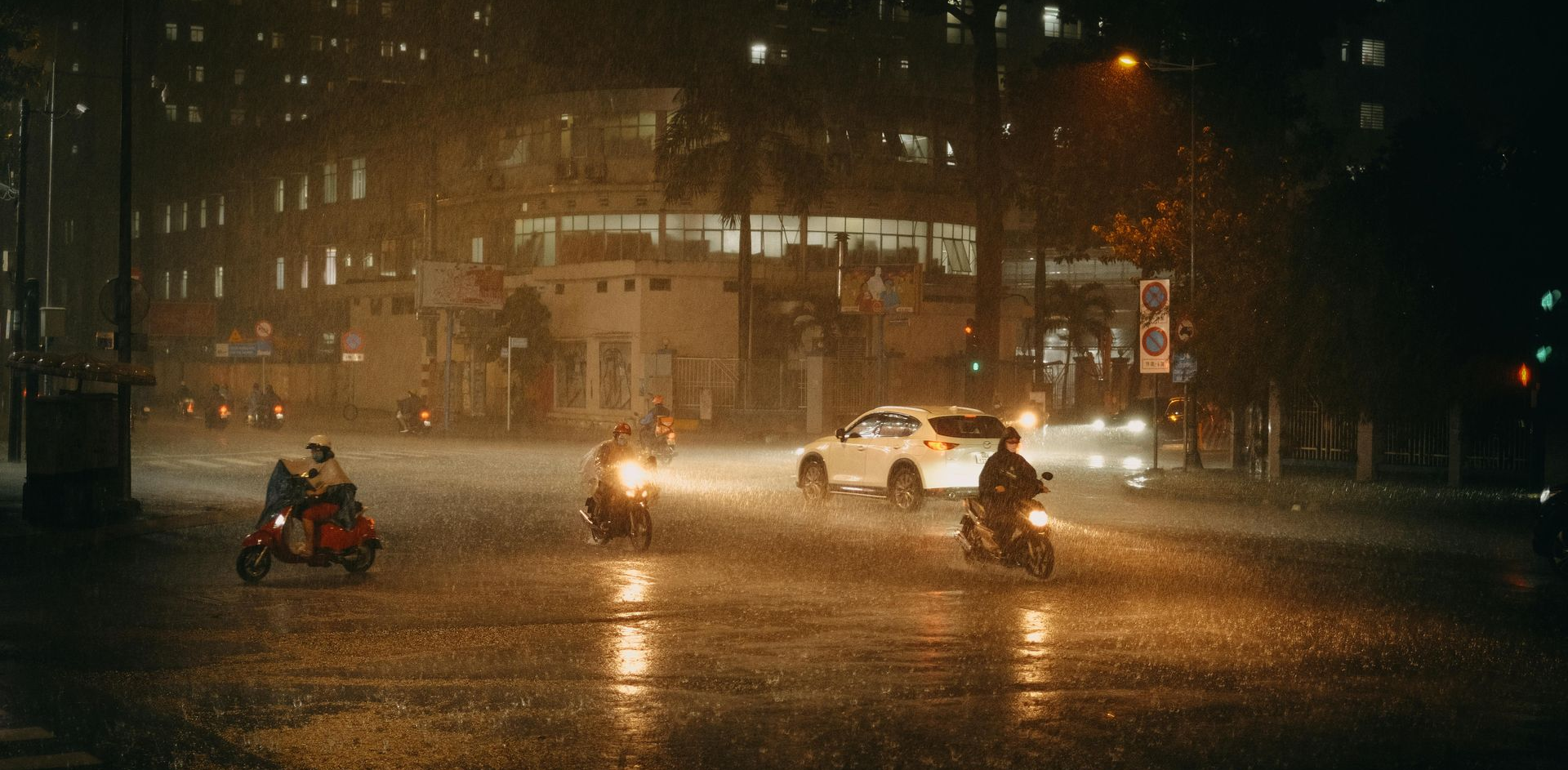
Is the South Worth Visiting During Rainy Season?
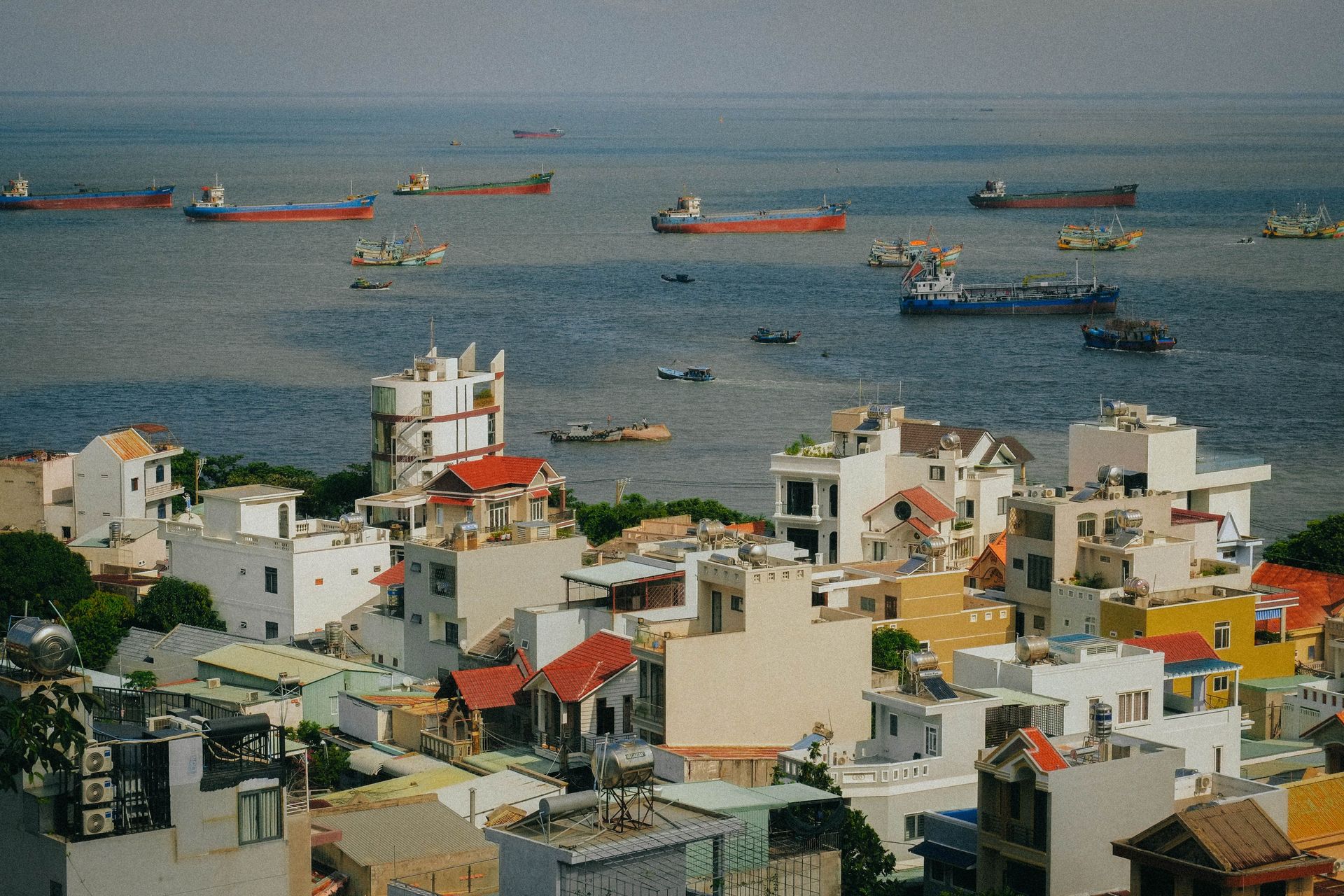
Yes - southern Vietnam's rainy season (May to November) rarely means all-day rain. Most showers are short, intense, and over within an hour. For many travellers, the lush green landscapes, thinner crowds, and lower prices make it a worthwhile trade-off.
That said, some southern destinations have tighter seasonal windows:
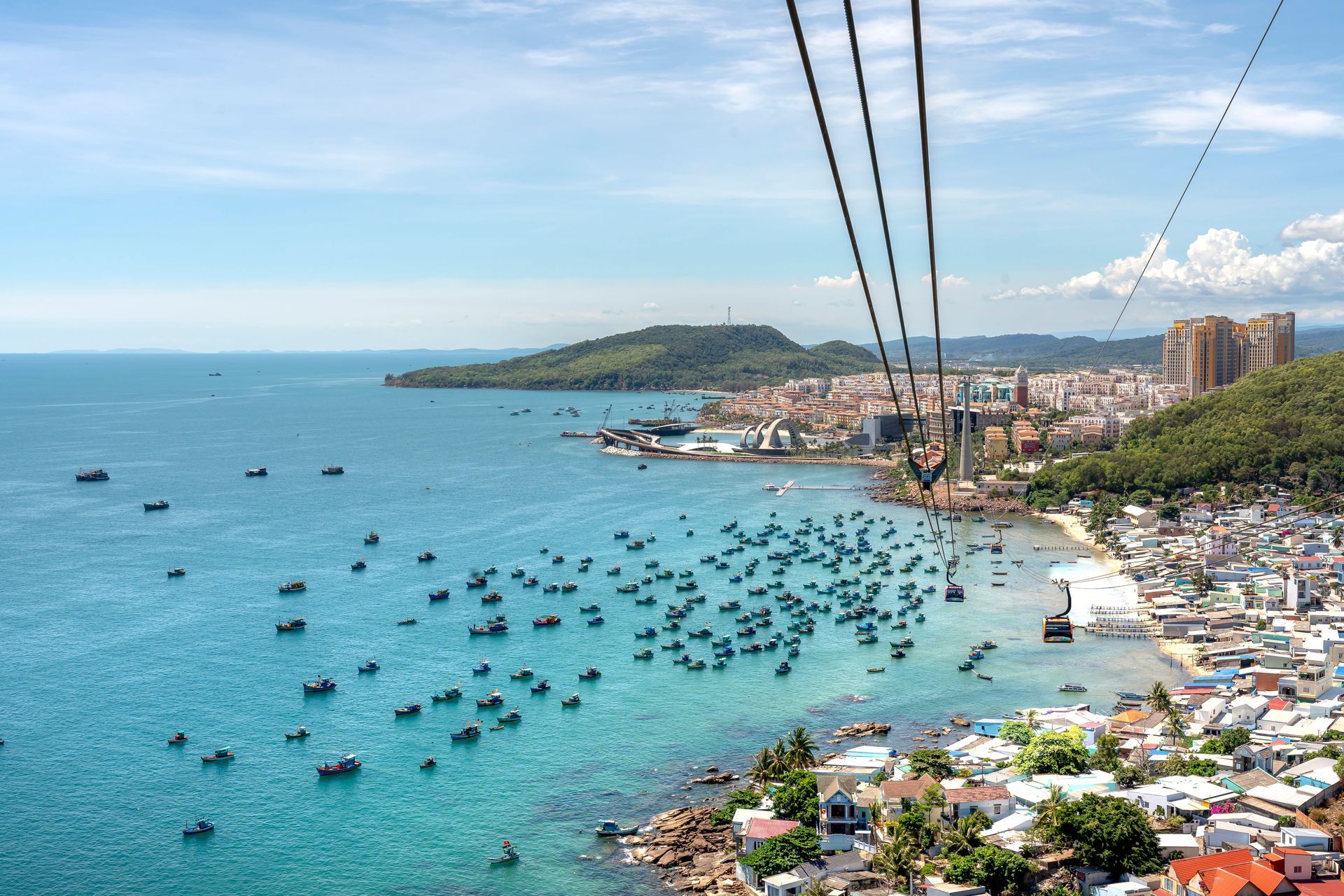
- Phu Quoc Island: Best from November to April for calm seas and clear water. From June to September, rough waves regularly cancel ferry crossings and boat trips to the outer islands.
- Mekong Delta: Accessible year-round, but October to November offers the flooded-season experience - locals navigating submerged rice paddies by boat, markets moving to the water - which is genuinely unlike anything else in Southeast Asia.
- Ho Chi Minh City: A year-round destination. The dry season (December to April) is more comfortable for walking and sightseeing, but the city doesn't slow down regardless of rain.
Practical Tips for Planning Around Vietnam's Seasons
- Build buffer days into central Vietnam. Even in good months, weather here can shift fast. A rigid itinerary in this region is the first thing that breaks.
- Don't write off rainy season in the south. Plan outdoor activities and market visits in the morning. Afternoons bring the showers - and then they pass.
- Book mountain routes early. Ha Giang Loop and Sapa trekking fill up fast during peak dry windows (September–October, March–April). Work with a local tour operator who can advise on real-time trail conditions - not just the seasonal average.
- For cruise travellers, weather affects not just comfort but whether boats can operate at all. Up Travel Vietnam's shore excursion planning is built around these exact seasonal windows for ports like Chan May, Da Nang, and Ha Long.
- Combine regions strategically. A north-to-south itinerary (or reverse) lets you follow the good weather if you're travelling in shoulder months - but the routing needs to be thought through carefully to avoid crossing into a storm zone mid-trip.
Plan the Right Route - With a Local Expert
Vietnam's geography is one of its greatest gifts to travellers. But that same variety means "best time to visit Vietnam" advice almost always leaves something out.
The right itinerary depends on your exact travel months, how much time you have, your travel style, and what's actually feasible on the ground that season. It's the kind of thing that's hard to get from a blog post alone.
The team at Up Travel Vietnam works with international travellers at exactly this planning stage: helping you build a route that makes sense seasonally, not just one that looks good on a map.
FAQ
What is the best time to visit Vietnam?
October to April is generally the most reliable time to visit Vietnam, when dry and clear conditions cover most of the country. However, the ideal month depends entirely on which regions you plan to visit.
Can you travel Vietnam during rainy season?
Yes - especially in the south, where rainy season rarely disrupts travel significantly. Showers are usually brief. The north and centre carry more weather risk and require more flexible planning during wet months.
Is central Vietnam safe to visit in October?
October is one of the riskiest months for central Vietnam due to typhoon and flooding season. Hoi An and Hue can flood quickly and severely. If your dates are fixed, have a solid backup plan and travel with local support.
When is the best time to visit Ha Long Bay?
October to April offers the best conditions for Ha Long Bay - clear skies, calm seas, and good visibility. Summer brings rain, reduced visibility, and occasional strong winds that can affect boat departures.
What month is best for Sapa's rice terraces?
September to early October is the peak window for Sapa, when harvest season turns the terraces gold. This period fills up quickly - book trekking and accommodation well in advance.
UP TRAVEL VIETNAM
Up Travel Vietnam was founded by seasoned travelers and local specialists with an ambition to offer outstanding 5-star service quality to international customers traveling to Vietnam.
Over the past 11 years, Up Travel Vietnam has got continuous years achieving
Certificate of Excellence from the most reputable organization worldwide in Tourism & Hospitality - TripAdvisor since 2015. We are proud to appear on more than
17 TV Channels, Newspapers & Magazines (namely Transit Magazine - the biggest Magazine in Tourism & Hospitality from Tokyo, Japan).