Traditional Vietnamese Costumes You Should Try Wearing
There's a moment that almost every traveler in Vietnam experiences - you're wandering through a pagoda courtyard or a lantern-lit alley in Hoi An, and you spot someone gliding past in a silk Ao Dai, its panels catching the breeze. You think: I want to try that.
You absolutely should. Wearing a traditional Vietnamese dress isn't just a photo opportunity - it's one of the most quietly meaningful ways to connect with a culture that has been refining its textile traditions for centuries. This guide covers the key garments worth seeking out, where to try them, and what you need to know before you dress up.
What Are the Traditional Dresses of Vietnam?
Vietnam has several distinct traditional garments, each tied to a different region, era, or ethnic group - the most famous being the Ao Dai, though it's far from the only one worth knowing.
The country's clothing traditions reflect its diversity: from the lowland Kinh majority to 53 officially recognized ethnic minority groups, each with their own textile heritage. When most travelers think "Vietnamese dress", they picture the Ao Dai - but there's a much richer wardrobe waiting to be explored.
Ao Dai - Vietnam's National Dress
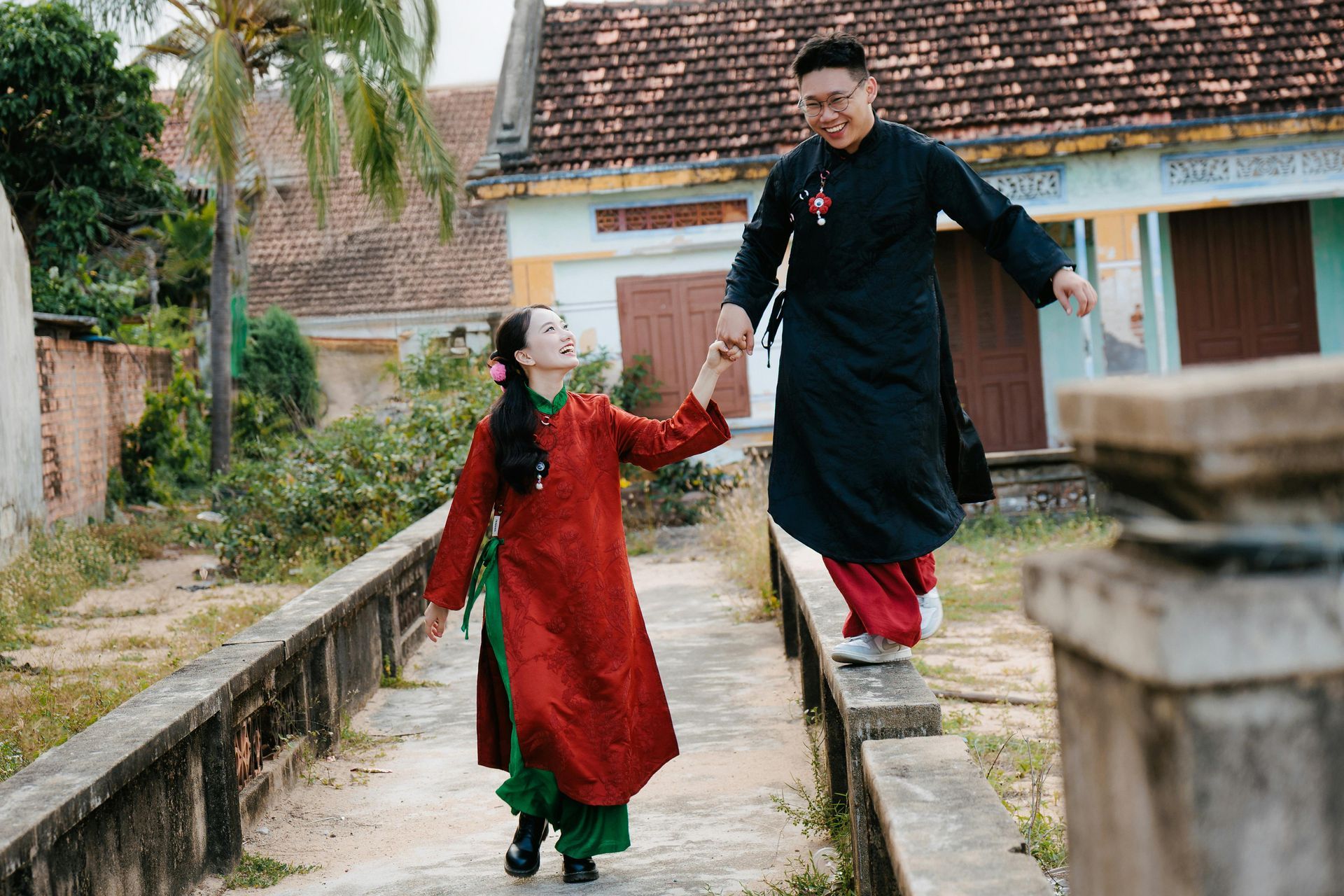
Ao Dai is a long, form-fitting tunic worn over wide-leg trousers, and it remains Vietnam's most recognized cultural garment.
Modern Ao Dai evolved through the 20th century from earlier Nguyen dynasty court robes. Today it's worn at weddings, Tet celebrations, school graduations, and - increasingly - by travelers who want to experience it firsthand.
Where to Try It
- Hoi An is the undisputed capital for custom Ao Dai. Tailor shops along Trần Phú Street and in the lanes off the Ancient Town can produce a made-to-measure silk Ao Dai in 24–48 hours. Prices start around $30–$50 USD for a quality piece.
- Hue - the former imperial capital - is the spiritual home of the Ao Dai's most elegant, traditional form. Rental shops near the Ngo Mon Gate make trying one before visiting the Dai Noi Citadel a natural pairing.
- Hanoi and Ho Chi Minh City have rental options near major landmarks, though the experience is most immersive in Hoi An or Hue.
What to Expect
Ao Dai are tailored to fit - so rentals don't always feel perfect. If budget allows, having one made in Hoi An is far more satisfying. Choose silk for a traditional feel; cotton blends are cooler in the heat.
Ao Nhat Binh - Royal Court Dress of the Nguyen Dynasty
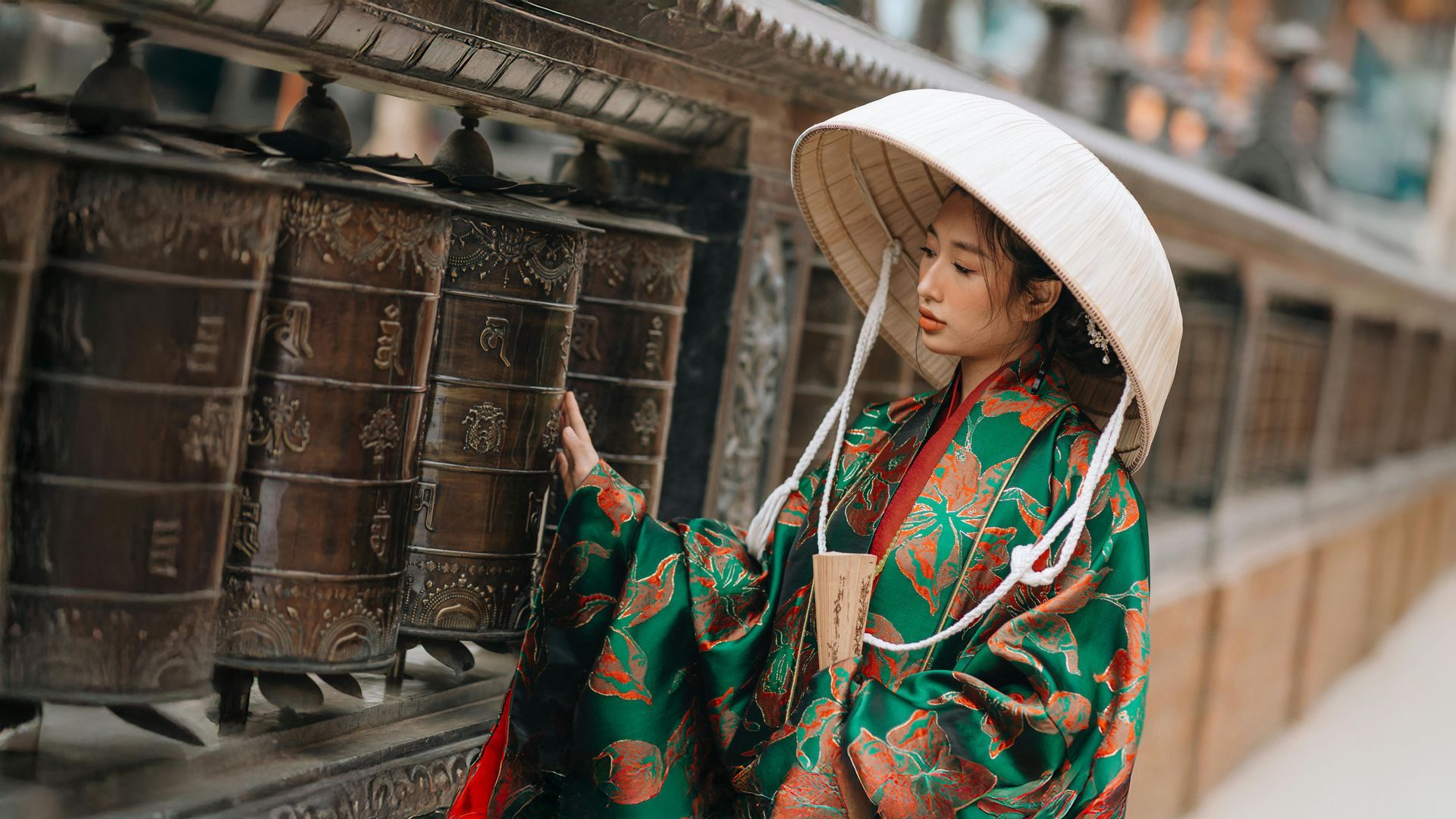
Ao Nhat Binh is a square-collared ceremonial robe worn by noblewomen of the Nguyen dynasty, and it is experiencing a remarkable cultural revival - making Hue the best place in the world to try one today.
Unlike the Ao Dai's sleek silhouette, Ao Nhat Binh is wide, layered, and deliberately grand. Its most distinctive feature is the rectangular collar panel - embroidered with phoenixes, clouds, or floral motifs in gold and jewel-toned thread - that sits flat across the chest and shoulders like a ceremonial bib. The body of the robe fans out in rich silk, traditionally in deep red, blue, or yellow depending on the wearer's court rank.
For centuries this was the exclusive dress of imperial concubines, princesses, and court ladies inside the Forbidden Purple City of Hue. Today, thanks to a grassroots movement among young Vietnamese to reclaim Nguyen-era court fashion (known broadly as phục hồi trang phục cổ), Ao Nhat Binh has moved from museum display cases back into living culture.
Where to Try It
- Hue is the only place to experience this garment in its full historical context. Several studios inside and near the Đại Nội Citadel now offer Ao Nhat Binh rental and photography experiences, with trained staff to assist with dressing and styling.
- The Duyet Thi Duong Royal Theatre and the The Mieu Temple of Ancestors within the citadel walls are the most atmospheric backdrops.
- Some Hue-based tailors now produce custom Ao Nhat Binh for visitors with a serious interest - expect to budget $80–$200 USD for a properly embroidered piece.
What to Expect
Dressing in an Ao Nhat Binh is an event in itself. The layering, collar placement, and hair accessories (typically an elaborate khăn vành headband) require assistance. Most rental studios include a full styling session. Budget at least 30 – 45 minutes and go early in the day before the citadel gets crowded.
Ao Ba Ba - Everyday Southern Elegance
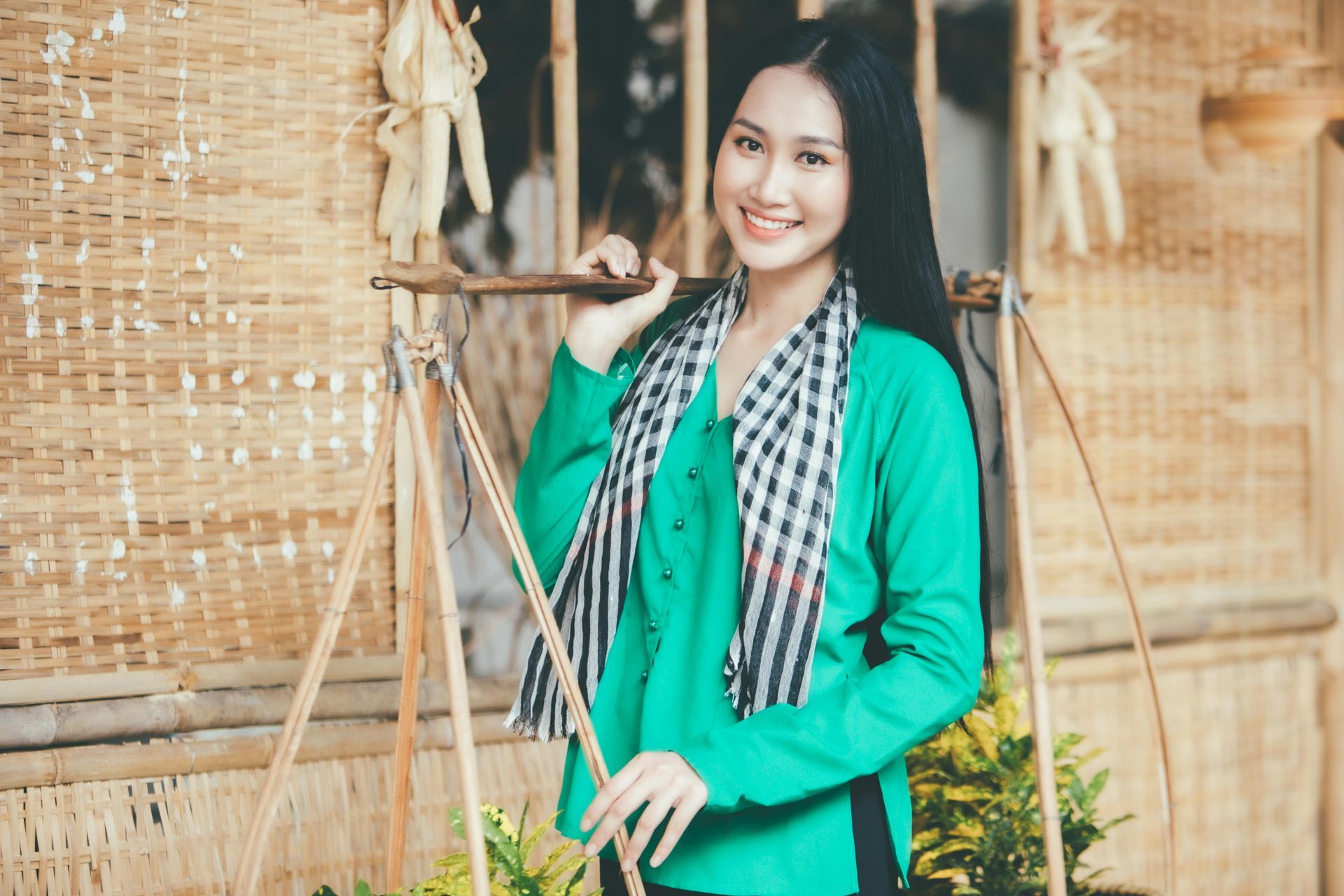
Ao Ba Ba is a lighter, more relaxed alternative to the Ao Dai - a simple two-part set of a collarless blouse and wide trousers, traditionally worn by farmers and traders in the Mekong Delta.
Often made in plain cotton or printed fabric, the Ao Ba Ba is the working uniform of southern Vietnam's waterways. It's practical, breathable, and deeply tied to the image of the Mekong. You'll see it worn by vendors at floating markets in Cần Thơ and by older generations throughout the delta region.
Travelers can pick one up at Bến Thành Market in Ho Chi Minh City or at fabric markets throughout the south for just a few dollars - it makes an excellent, authentic souvenir you can actually wear.
Ethnic Minority Dress - The Richer Story Beyond
Vietnam's highland ethnic communities - including the H'mông, Dao, Tày, and Cham peoples - each have their own elaborate textile traditions, distinct from the Kinh majority culture.
This is where Vietnamese dress gets genuinely extraordinary:
- H'mong embroidered jackets and skirts (found around Sapa and Bắc Hà) feature intricate geometric stitching in indigo and vivid jewel tones, sometimes taking months to complete.
- Red Dao headwear - the dramatic red and silver-embellished headscarves worn by Dao women in the northern highlands - are among the most visually striking garments in Southeast Asia.
- Cham women's dress from Ninh Thuận Province uses hand-woven brocade in patterns tied to spiritual and clan identity.
If you're trekking in the northern highlands - particularly around Sapa, Ha Giang, or Bac Ha - you'll encounter these traditions firsthand. Buying directly from artisan weavers in their home villages supports local communities and ensures authenticity.
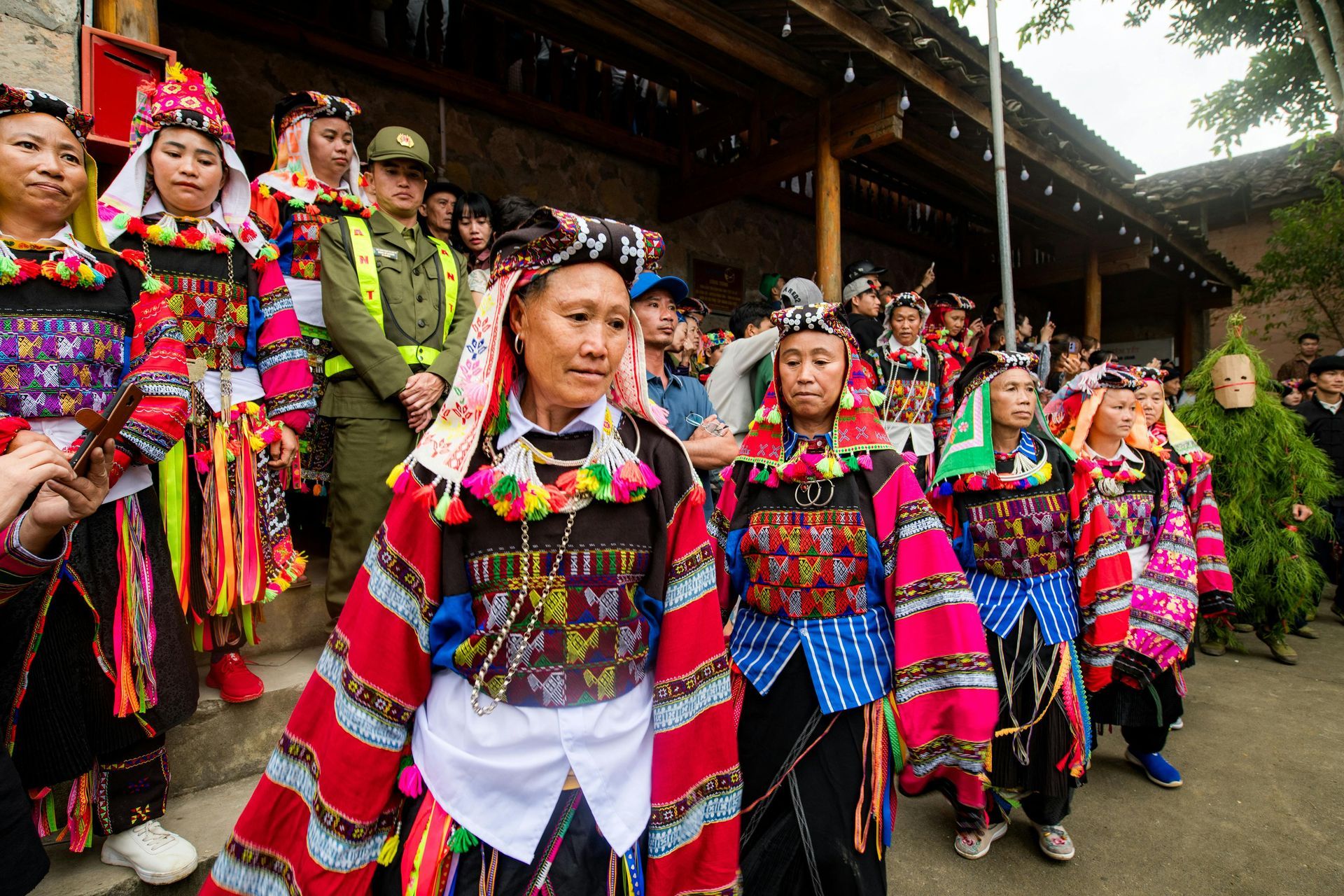
A note on respect: Always ask permission before photographing someone in traditional ethnic dress, and if a community invites you to wear their clothing, treat it as a genuine cultural honour.
Practical Tips for Trying Vietnamese Traditional Dress
- Custom vs rental: Rentals are convenient for photos; custom-made pieces are worth the extra cost if you have 24–48 hours in Hoi An or Hue.
- What to wear underneath: For both the Ao Dai and Ao Nhat Binh, a nude or white slip is standard. Rental studios typically advise on this during the styling session.
- Best photo locations: The Japanese Covered Bridge in Hoi An's Ancient Town; the Ngo Mon Gate and The Mieu inside the Hue Citadel; the Old Quarter of Hanoi near Hoan Kiem Lake.
- Avoid cheap synthetic versions: Markets sell fast-fashion imitations that won't drape correctly and will fade quickly. Opt for linen, cotton, or silk from a reputable tailor or rental studio.
- Seasonal comfort: Vietnam is hot. Lightweight cotton Ao Dai or Ao Ba Ba are far more comfortable than polyester blends. Ao Nhat Binh is layered and best experienced in the cooler months of November to February.
Who Is This Experience Best For?
Trying a traditional Vietnamese dress appeals to a wide range of travelers:
- History and culture lovers drawn to Vietnam's imperial past - Ao Nhat Binh is especially suited to this group
- Solo travelers and couples seeking meaningful cultural engagement beyond sightseeing
- Photographers and content creators who want authentic, location-specific imagery
- Families - children adore wearing Ao Dai for Hoi An's lantern-lit evenings
- Honeymooners drawn to the romanticism of silk and candlelight in the Ancient Town
Plan Traditional Costumes as Part of a Wider Cultural Experience
Wearing traditional dress is most memorable when it's woven into a broader day of cultural immersion - a cooking class in a traditional home, a guided walk through the imperial citadel, or a lantern-making workshop in Hoi An's Old Quarter.
If you're exploring Vietnam with a local guide, these moments can be shaped into something genuinely personal rather than purely tourist.
The team at Up Travel Vietnam specialises in exactly this kind of culturally rooted, unhurried travel - connecting visitors with artisans, tailors, and communities in ways that a standard day-trip rarely reaches. Our cultural tour packages and workshops are designed for travelers who want to do more than tick off landmarks.
FAQ
Can tourists wear Ao Dai in Vietnam?
Absolutely - wearing an Ao Dai as a visitor is warmly welcomed and widely encouraged, particularly in Hoi An and Hue, where rental and tailoring shops exist specifically for this purpose.
What is Ao Nhat Binh and where can I try it?
Ao Nhat Binh is a Nguyễn dynasty court robe distinguished by its ornate square collar and layered silk body. Hue is the best - and most historically appropriate - place to try one, with rental studios located inside and near the Đại Nội Citadel.
How much does a custom Ao Dai cost in Hoi An?
A well-made custom silk Ao Dai from a reputable Hoi An tailor typically costs between $30 and $80 USD, depending on fabric quality and design complexity.
What is the difference between Ao Dai and Ao Ba Ba?
The Ao Dai is a formal, fitted tunic traditionally worn for ceremonies and celebrations. The Ao Ba Ba is a looser, everyday garment originating from southern Vietnam's Mekong Delta - more casual, more breathable, and equally rooted in Vietnamese culture.
UP TRAVEL VIETNAM
Up Travel Vietnam was founded by seasoned travelers and local specialists with an ambition to offer outstanding 5-star service quality to international customers traveling to Vietnam.
Over the past 11 years, Up Travel Vietnam has got continuous years achieving
Certificate of Excellence from the most reputable organization worldwide in Tourism & Hospitality - TripAdvisor since 2015. We are proud to appear on more than
17 TV Channels, Newspapers & Magazines (namely Transit Magazine - the biggest Magazine in Tourism & Hospitality from Tokyo, Japan).