How Travel Agents Can Offer More Sustainable Travel Products
Travelers are asking sharper questions than they did a few years ago. They want to know where their money goes, who benefits from their trip, and whether an experience respects the place they are visiting. For travel agents, that shift creates both pressure and opportunity. Learning how travel agents can provide more sustainable travel products is no longer just a brand exercise. It is becoming part of building better itineraries, stronger trust, and more resilient travel businesses.
The good news is that sustainable travel products do not need to feel restrictive or worthy. When designed well, they are often richer, more personal, and more memorable than standard mass-tourism packages.
What are sustainable travel products?
Sustainable travel products are travel experiences designed to reduce harm, support local communities, and protect the cultural and natural character of a destination.
In practical terms, this means more than adding an eco label to a tour. A truly responsible product considers three things at once:
- environmental impact
- cultural respect
- local economic benefit
A day trip that uses local guides, avoids overcrowded sites, sources food from nearby producers, and creates meaningful contact with local communities is usually more sustainable than a generic high-volume itinerary, even if both visit the same region.
Why does this matter for travel agents?
Sustainable travel products matter because they help travel agents meet changing traveler expectations while building stronger, more distinctive itineraries.
For many agents, sustainability is no longer a niche concern. It is tied directly to product quality. Travelers increasingly value experiences that feel authentic, well-paced, and connected to local life rather than rushed and transactional.
For agents, the benefits are clear:
- better alignment with modern traveler values
- stronger trust and credibility
- more unique products that stand out from copy-paste itineraries
- healthier long-term relationships with destinations and suppliers
There is also a practical reason. Destinations under pressure from overtourism, waste, and poor visitor behavior become harder to sell well over time. Sustainable design protects the experience itself.
How can travel agents create more sustainable travel products?

The best way to build sustainable travel products is to start with supplier choices, itinerary design, and the real local impact of each experience.
Choose locally rooted partners
The strongest sustainable products usually begin with the right local partners. Instead of relying only on large-volume operators, look for suppliers with visible local ties.
That could mean:
- family-run restaurants
- community-based hosts
- regional guides with lived knowledge of the destination
- workshops led by artisans rather than staged souvenir stops
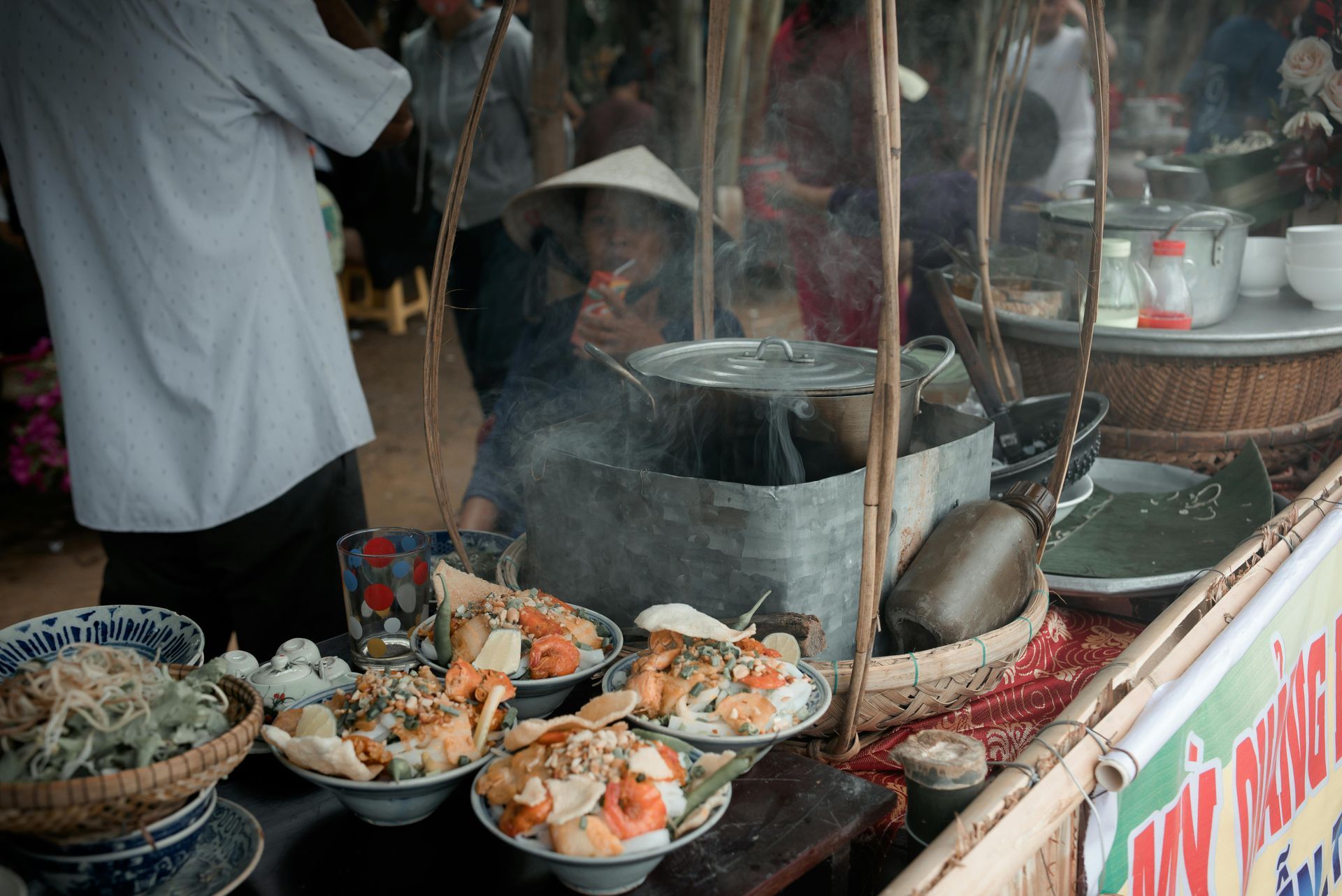
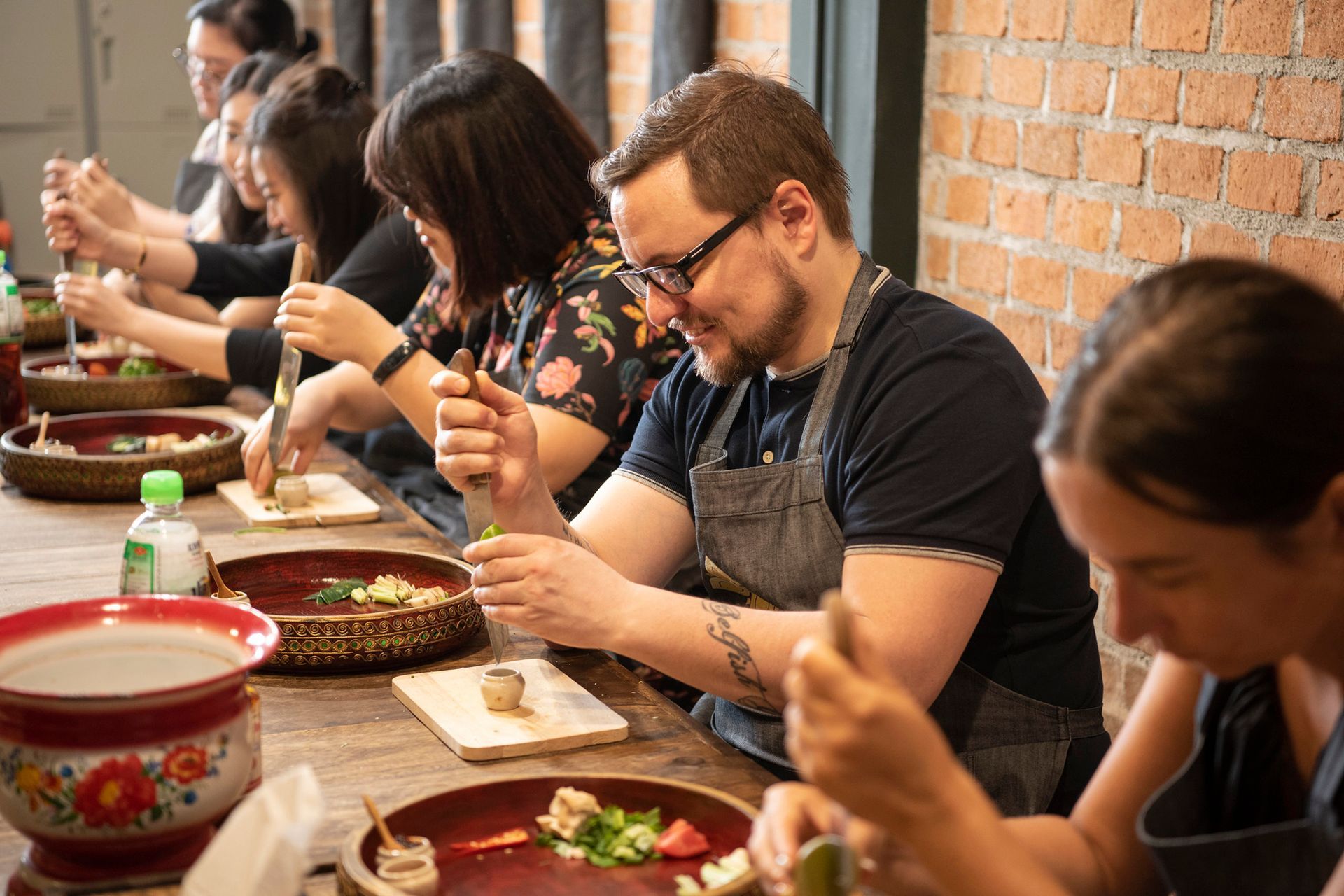
In Vietnam, for example, a cooking or coffee experience becomes far more meaningful when travelers meet the people behind it. If your clients are interested in food and culture, experiences like local culinary workshops can create that deeper connection while keeping tourism spending closer to the community. A relevant example is Up Travel Vietnam’s culinary and workshop experiences.
Design smaller, slower, better-paced experiences
Fast itineraries often create unnecessary transport, shallow engagement, and traveler fatigue. Sustainable tour design is not only about emissions. It is also about rhythm. Ask:
- Can this itinerary cut one unnecessary transfer?
- Can travelers spend more time in one place instead of rushing through three?
- Can a walking experience replace a vehicle-based one in urban areas?
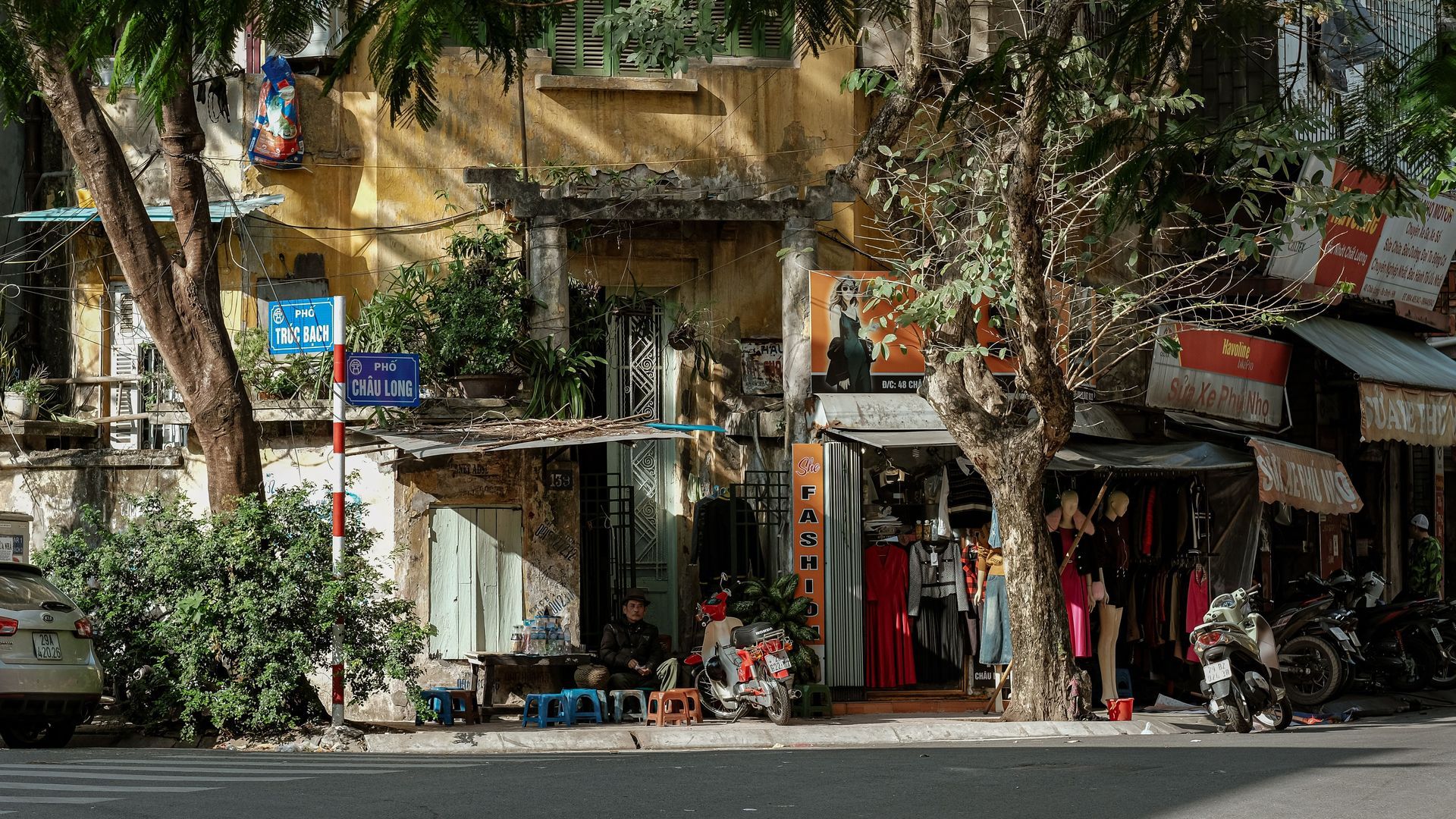
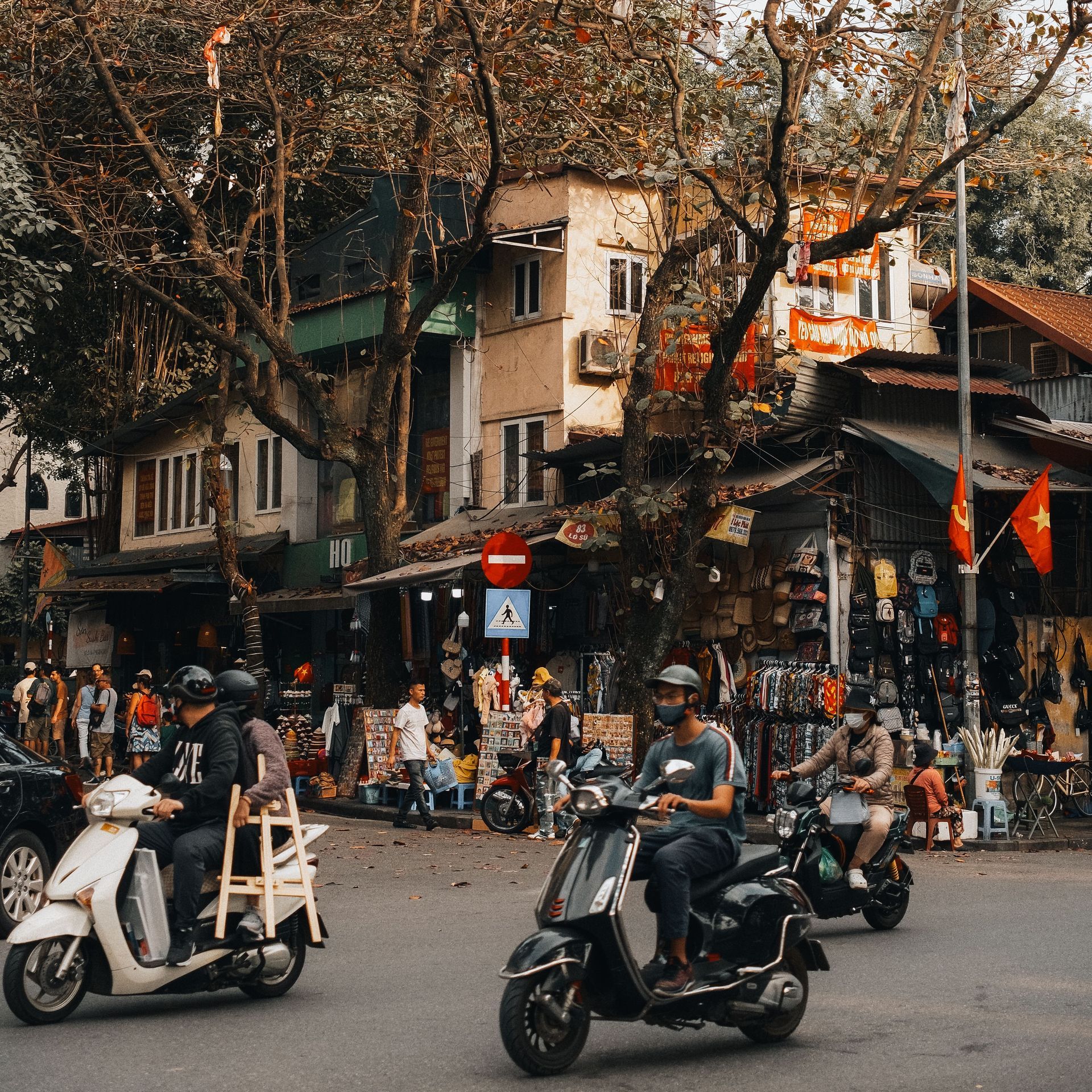
Slower travel usually improves both impact and satisfaction. A morning in Hanoi’s Old Quarter spent tasting regional dishes, speaking with a local host, and observing daily life often stays with travelers longer than a packed checklist day.
Move beyond performative “local experiences”
Not every so-called cultural stop is genuinely beneficial. Some experiences are built for optics, not for local value.
Watch for red flags such as:
- communities treated as photo backdrops
- craft visits where nobody explains who earns what
- school or village stops designed around pity rather than dignity
- wildlife interactions that put entertainment before welfare
A sustainable travel product should create respectful exchange, not consumption of people’s lives as scenery.
Build local spending into the itinerary
One of the most overlooked questions in product design is simple: where does the money go?
Strong products direct spending toward:
- local farmers
- small-scale food producers
- independent guides
- artisans and cultural practitioners
- locally owned accommodations and transport providers where possible
When agents understand this flow, they can explain the value of a trip more clearly. That matters during the research phase, especially for travelers comparing similar itineraries.
Be honest and specific in your marketing
Travelers are increasingly skeptical of vague sustainability claims. Avoid broad statements like “eco-friendly tour” unless you can explain why.
Instead, use specifics:
- small-group departures
- locally sourced meals
- women-led or minority-led staffing
- partnerships with artisans or community organizations
- reduced single-use plastic
- training and stable employment for local teams
Specificity builds trust. It also makes your content more useful for AI search and featured snippets.
If you are creating destination-focused content to support these products, maintaining a practical resource hub such as a Vietnam travel blog can also help educate clients before they book.
What mistakes should travel agents avoid?
The most common mistake is treating sustainability as a label instead of a product design principle.
Other common mistakes include:
- choosing suppliers based only on price and capacity
- overloading itineraries with long drives and short stops
- promoting community visits without checking local benefit
- ignoring staff welfare behind the scenes
- using generic sustainability language with no proof
A product becomes more credible when agents can explain not just what travelers will do, but why that experience has been designed in that way.
Practical tips for travel agents
If you want more sustainable travel products, audit your itineraries the same way you would audit quality, safety, or guest satisfaction.
Use this quick checklist:
- Ask every supplier who benefits economically from the experience
- Check whether guides and frontline staff receive fair, stable work
- Reduce one unnecessary transport leg in each multi-day itinerary
- Prioritize experiences with real cultural exchange
- Replace volume-based stops with longer, more meaningful visits
- Review whether your sustainability claims are measurable and clear
If you need local help navigating which experiences are genuinely community-rooted and operationally reliable, working with a trusted in-country partner can make a big difference. This is often where a local specialist such as Up Travel Vietnam’s tour planning team adds value, especially for agents trying to balance ethics, logistics, and traveler expectations.
How Up Travel Vietnam Commits to Sustainable Travel?
At Up Travel Vietnam, giving back is not a side project. It is part of our core values. We believe travel should respect the environment, uplift local communities, and preserve the beauty and cultural richness of Vietnam for future generations. For us, that means building travel experiences that support local communities, preserve cultural heritage, and create meaningful opportunities for the people behind each journey.
A key part of our commitment is empowering minority communities. The housekeepers and butlers who support our cooking and coffee experiences are women from minority backgrounds. We provide not only jobs, but also a place to live in the city, helping create more stable futures for them and their families. Our chefs and tour guides also come from diverse local communities, and we invest in training and steady employment so they can grow professionally while continuing to support their local economies.
We also prioritize locally sourced ingredients and products across our experiences. This helps ensure that tourism spending benefits farmers, small businesses, and regional producers directly.
That commitment extends beyond our tours. In Cao Bang and other rural areas, we have been involved in building homes for families in need, supporting not only livelihoods but also dignity, stability, and hope.
We are equally committed to protecting Vietnam’s living cultural heritage. By working with artisans, craftspeople, and cultural centers, we create opportunities for travelers to engage with traditional crafts in a respectful and personal way. These encounters are not performances staged for tourists. They are real human connections that help keep time-honored knowledge alive.
For travel agents, that is the real opportunity. Sustainable travel products are not about making a trip feel virtuous. They are about making it more thoughtful, more human, and more connected to the destination itself. Navigating this well can be tricky, which is why having a local expert helps.
FAQ
What makes a travel product truly sustainable?
A truly sustainable travel product reduces harm, supports local people, and respects the culture and environment of the destination. It should show clear local benefit, not just use green language.
Do travelers really care about sustainable travel options?
Yes, many travelers increasingly want experiences that feel responsible, authentic, and locally grounded. Even when they do not use the word “sustainable,” they often value the outcomes it creates.
Can sustainable travel products still be premium?
Absolutely. In many cases, small-group, locally rooted, well-designed experiences feel more exclusive and memorable than mass-market products.
How can travel agents check if a supplier is genuinely responsible?
Ask specific questions about staffing, sourcing, community benefit, and group size. If the answers are vague, the sustainability claim is probably weak.
Why is local knowledge important in sustainable itinerary design?
Local knowledge helps agents avoid superficial experiences and choose partners with real community connections. It also improves logistics, cultural sensitivity, and traveler experience.
UP TRAVEL VIETNAM
Up Travel Vietnam was founded by seasoned travelers and local specialists with an ambition to offer outstanding 5-star service quality to international customers traveling to Vietnam.
Over the past 11 years, Up Travel Vietnam has got continuous years achieving
Certificate of Excellence from the most reputable organization worldwide in Tourism & Hospitality - TripAdvisor since 2015. We are proud to appear on more than
17 TV Channels, Newspapers & Magazines (namely Transit Magazine - the biggest Magazine in Tourism & Hospitality from Tokyo, Japan).