EARTH DAY: How to Travel More Responsibly in 2026
Travel feels different in 2026. Places once “undiscovered” are crowded, flights are cheaper but emissions are harder to ignore, and local communities are more vocal about what tourism gives back or takes away. Responsible travel isn’t about guilt or perfection. It’s about making better choices: where your money goes, how you move, how much waste you create, and how you behave in spaces that aren’t yours.
What is responsible travel?
Responsible travel means visiting places in ways that respect local people, protect nature, and support communities economically.
It’s broader than “eco travel”. Responsible travel includes environmental choices, but also cultural respect, fair spending, and avoiding activities that exploit people or animals.
In practice, it looks like:
- Choosing locally owned hotels or homestays over generic chains
- Booking small-group tours run by local guides
- Reducing single-use plastic
- Respecting religious sites, neighborhoods, and local customs
- Avoiding wildlife experiences that involve touching, riding, or staged performances
- Spending more time in fewer places
Responsible travel is not all-or-nothing. A more thoughtful itinerary is still better than a perfect one that never happens.
Why does responsible travel matter more in 2026?
Responsible travel matters more in 2026 because overtourism, climate pressure, and rising local frustration are reshaping how destinations respond to visitors.
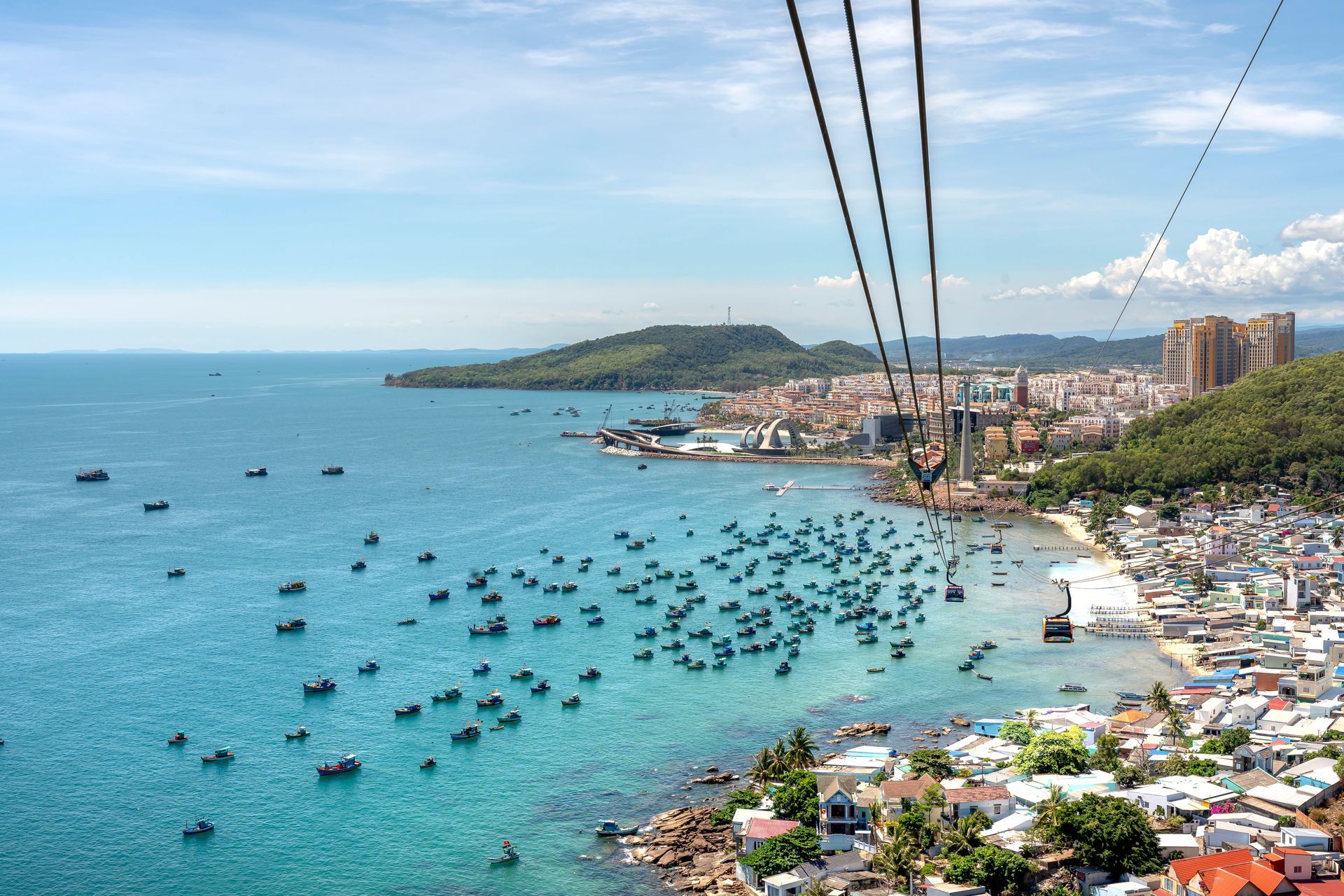
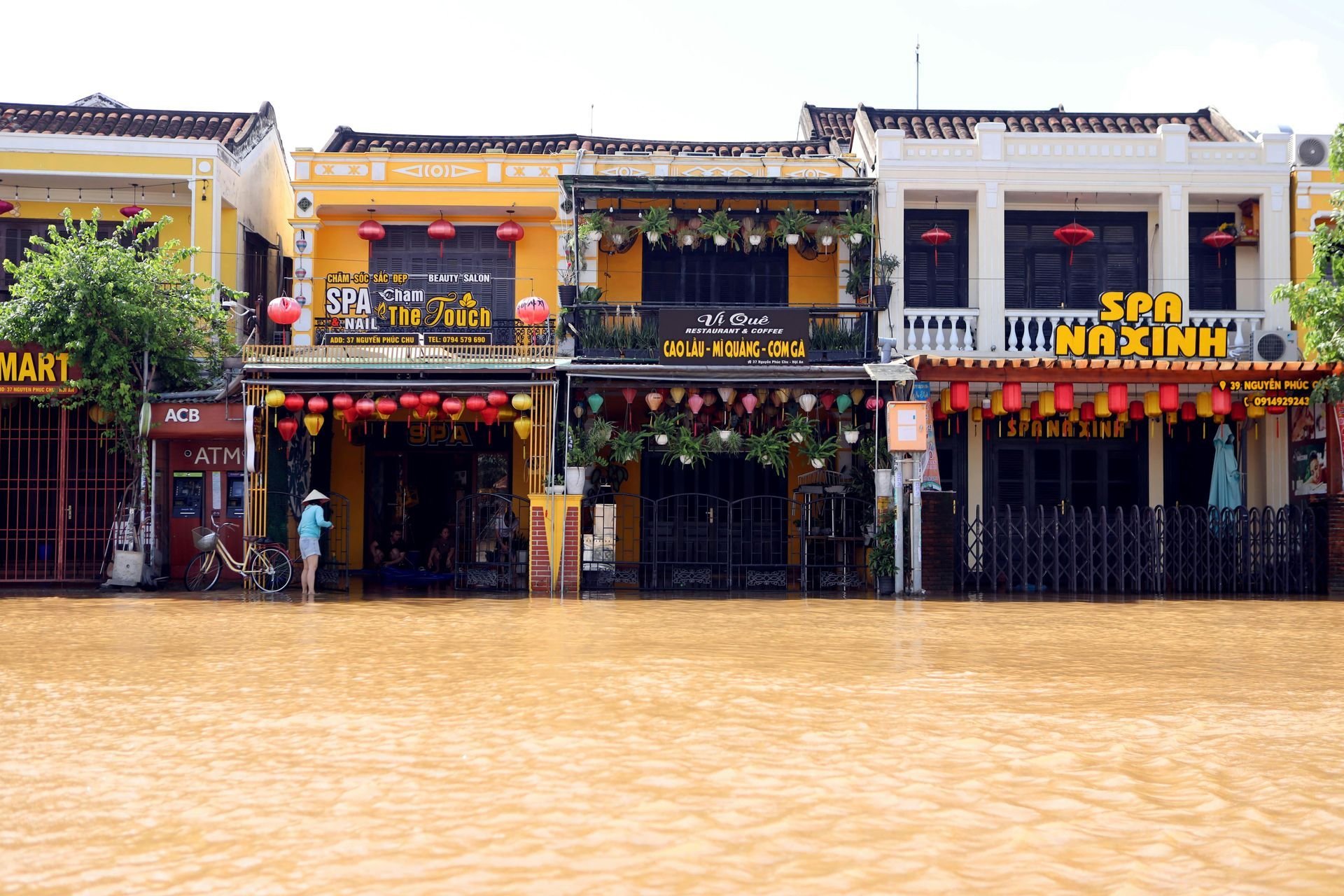
Across the world, destinations are trying to protect what made them appealing in the first place. Venice has introduced visitor management measures. Iceland repeatedly reminds travelers to stay on marked paths to protect fragile landscapes. Thailand continues to confront the damage caused by irresponsible marine and animal tourism. In Vietnam, crowded hotspots like Hoi An and Ha Long Bay benefit when travelers spread spending more thoughtfully and travel beyond the most congested hours and routes.
There’s also a personal reason to care. Responsible travel usually leads to:
- Better conversations with local people
- More memorable food and cultural experiences
- Less rushed, more meaningful itineraries
- Fewer tourist traps and transactional moments
When you travel with awareness, the trip tends to feel richer, not more restrictive.

Spend where it's local
Choose family-run hotels, independent restaurants, local guides, and community-based experiences.

Cut down on waste
Carry a refillable water bottle, reusable tote bag, and simple reusables to reduce single-use plastic.
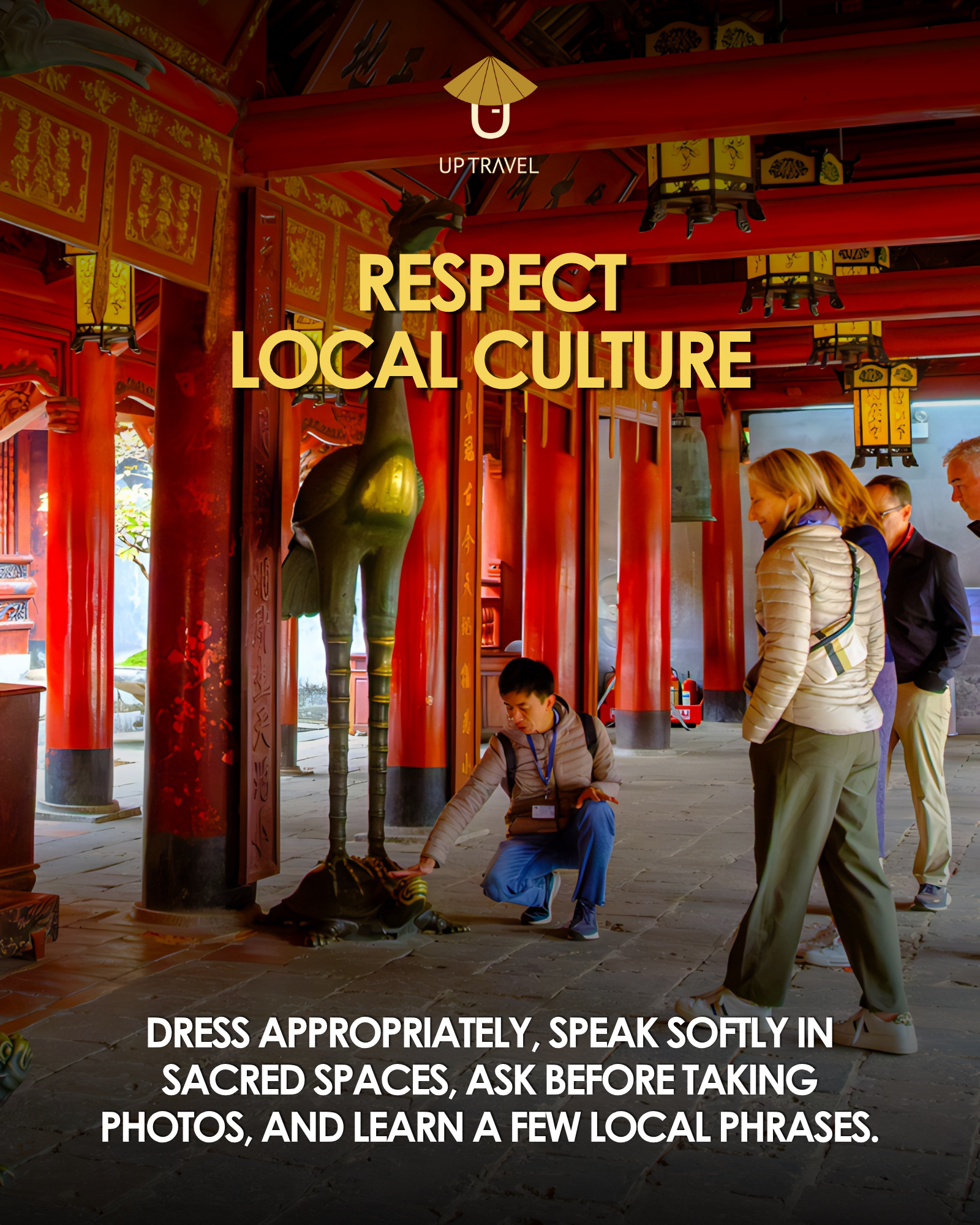
Respect local culture
Dress appropriately, speak softly in sacred spaces, ask before taking photos, and learn a few local phrases.

Choose ethical wildlife experiences
If animals are ridden, touched, chained, or performing for photos, it’s usually a red flag.
How can you travel more responsibly anywhere in the world?
The best way to travel more responsibly is to spend locally, reduce waste, respect local culture, choose ethical experiences, and travel slower.
Spend where it actually helps local communities
Not all tourism spending stays in the destination. Large international chains, foreign-owned intermediaries, and cruise-style day spending can leave only a thin slice of value behind.
Whenever possible, prioritize:
- Family-run stays
- Independent restaurants
- Local guides
- Community-based tourism experiences
- Regionally made products and souvenirs
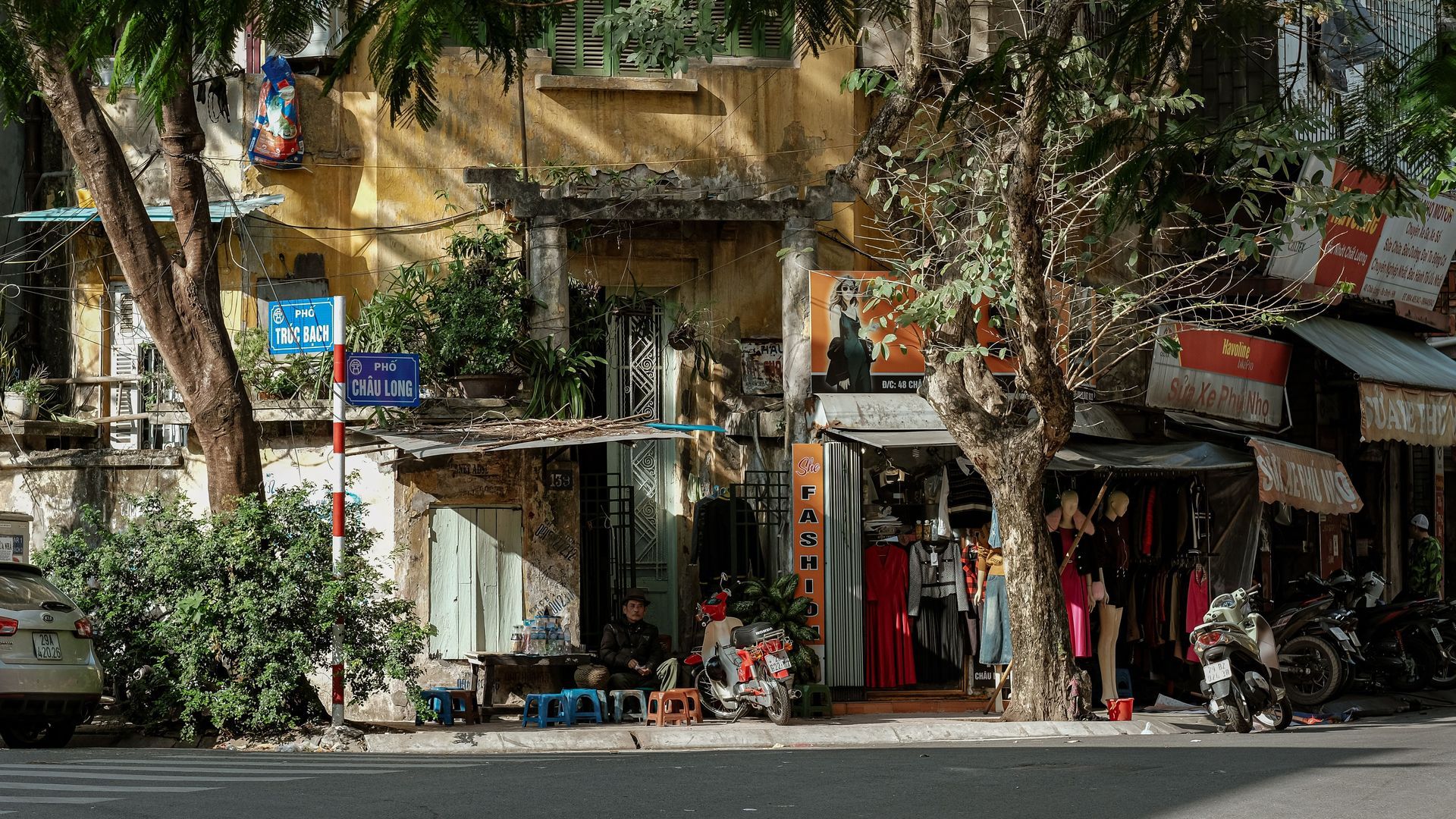
For example, in Vietnam that might mean a family-run homestay in Ninh Binh, a cooking class with local hosts, or a small-group street food experience rather than a generic package. In Italy, it could mean staying in a locally owned guesthouse outside the busiest historic core. In Peru, it may mean choosing a guide company with clear local employment practices.
Cut down on single-use plastic and waste
One of the easiest habits to improve is how much waste you generate. Carry:
- A refillable water bottle
- A reusable tote bag
- Reusable cutlery or a straw if you use them often
- A small container for snacks or takeaway food
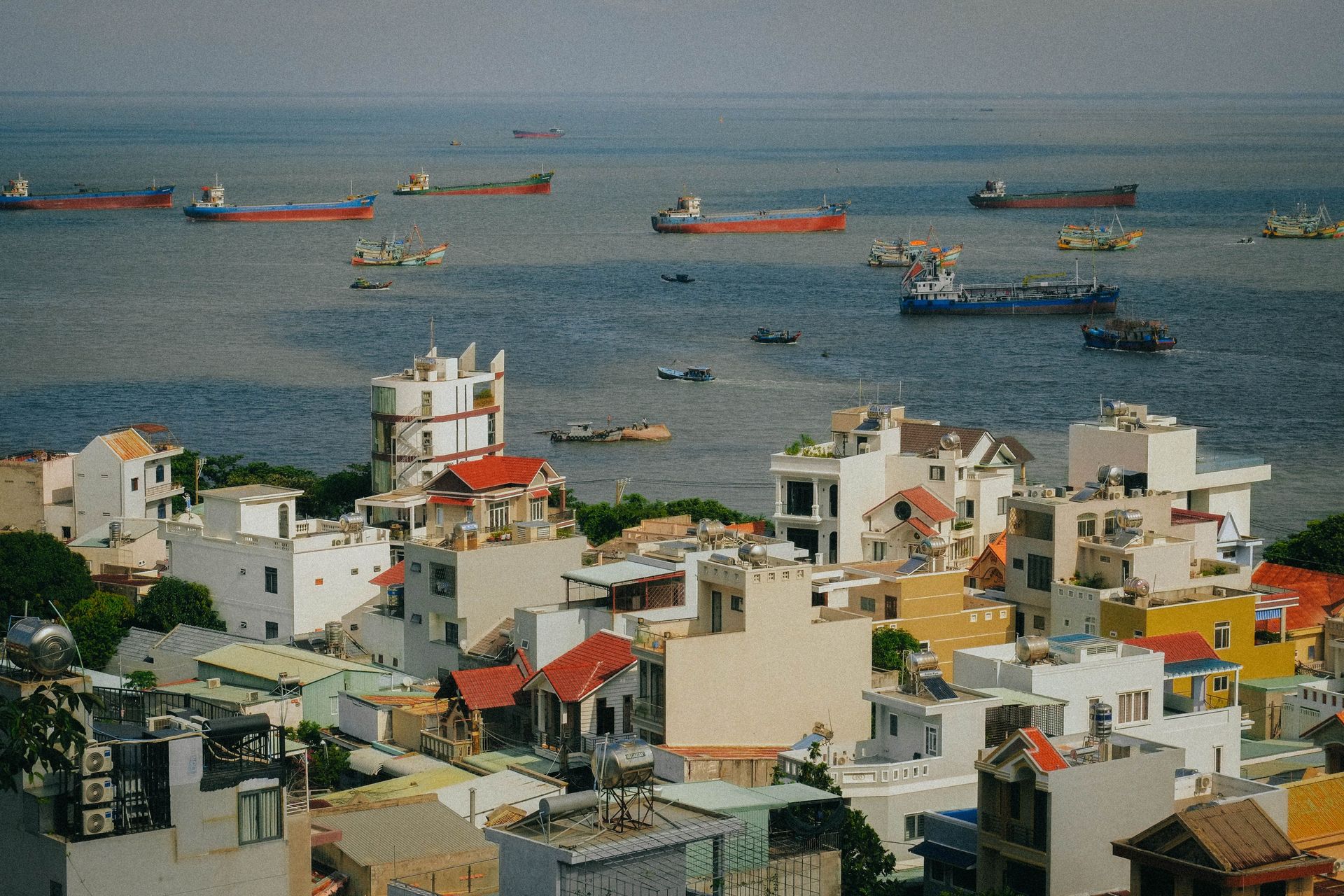
This is especially helpful in islands, coastal areas, and mountain regions where waste systems are under pressure. In places like Bali, the Philippines, and parts of coastal Vietnam, reducing plastic matters immediately and visibly.
Respect cultural norms instead of assuming your own are universal
Travel is not just movement. It is entering someone else’s social rules, even if only briefly.
That means:
- Dressing appropriately at temples, mosques, churches, and shrines
- Speaking softly in sacred or residential spaces
- Asking before photographing people
- Learning a few basic local phrases
- Understanding that “friendly” behavior in one country may feel intrusive in another
Choose ethical wildlife and nature experiences
Wildlife tourism is one of the most misunderstood parts of responsible travel. If animals are performing, being ridden, chained for photos, or handled for entertainment, the experience is usually not ethical.
Safer rules to follow:
- Do not ride elephants
- Avoid dolphin shows and captive wildlife selfies
- Keep distance from marine life
- Stay on designated trails
- Use licensed guides in protected areas
This applies whether you are considering elephant attractions in Southeast Asia, turtle encounters in the Indian Ocean, or trekking routes in Patagonia. Check this guide from World Animal Protection Organization.
Travel slower and go deeper
Trying to “do” five countries in two weeks usually creates a high-impact, low-connection trip. A slower itinerary often reduces transport emissions, supports local economies better, and gives you space to understand a place.
Instead of racing through capitals, consider:
- Fewer destinations with longer stays
- Trains over short flights when practical
- Shoulder-season travel to reduce peak pressure
- Day trips with context, not just photo stops

What does responsible travel look like in real destinations?
Responsible travel looks different in each country, but the principle is always the same: adapt to place rather than forcing the place to adapt to you.
Vietnam
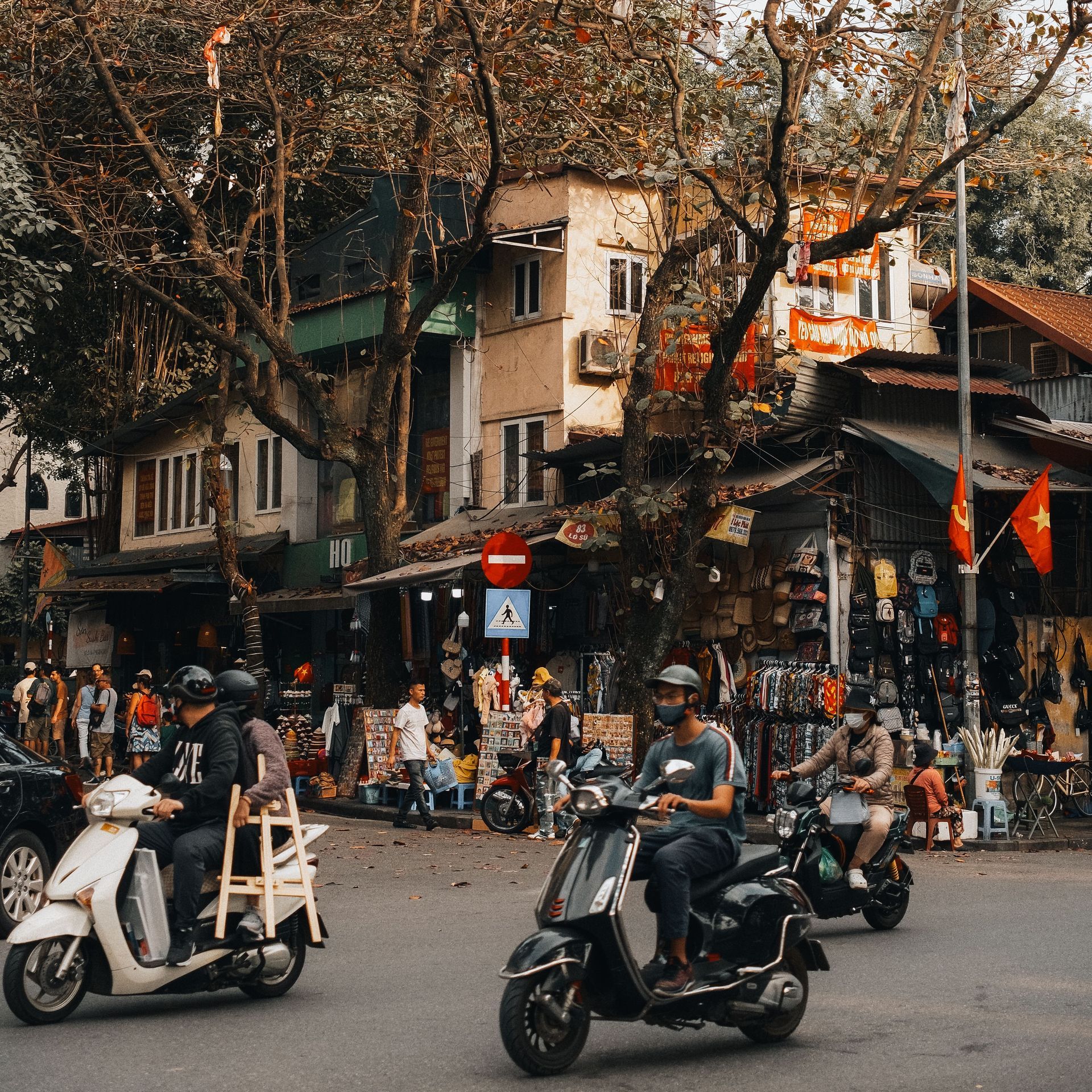
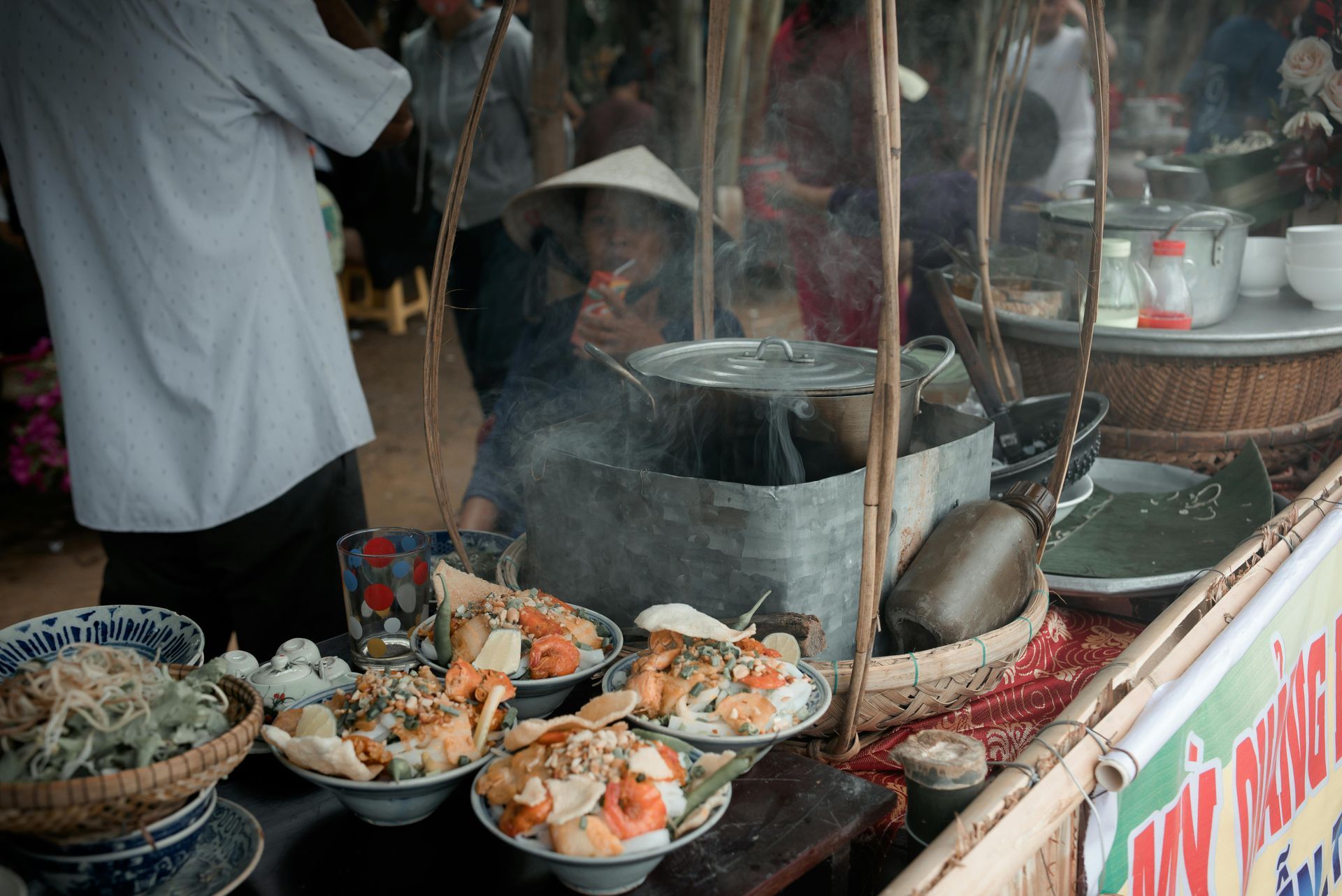
In Vietnam, responsible travel might mean eating at local restaurants, joining small-group food or craft experiences, carrying reusables, and being respectful at temples and pagodas. It can also mean choosing fewer domestic flights and allowing more time in each region. Travelers interested in local culinary culture often get more from guided, hands-on experiences such as highly local cooking workshops and food experiences.
Japan
In Japan, responsible travel often involves etiquette: quiet public behavior, proper queueing, and respect for onsen and shrine customs. The cultural details matter.
Iceland
In Iceland, nature protection is central. Leaving marked paths can damage moss and fragile volcanic landscapes for years, sometimes decades.
Thailand
In Thailand, ethical travel often means saying no to exploitative animal encounters and choosing island or marine tours that follow reef-safe practices.
Italy
In Italy, responsible travel can mean avoiding the most congested times in Venice, staying longer in smaller towns, and spending with local artisans and neighborhood businesses rather than only in the busiest tourist corridors.
Traveling responsibly is really about traveling better
Responsible travel is not about becoming a perfect traveler. It is about becoming a more observant one. You notice more. You waste less. You ask better questions. And you come home with memories rooted in people and place—not just in logistics and photos.
Vietnam is one of the best places to put that mindset into practice because the rewards for slowing down are immediate: a market breakfast in Hanoi, a family meal in the Mekong Delta, a quiet morning in Ninh Binh before the day-trippers arrive. Navigating those choices can be tricky, which is why having a local expert helps. The team at Up Travel Vietnam handles the on-the-ground details so travelers can experience Vietnam more thoughtfully, with fewer tourist traps and more real connection.
FAQ
Is responsible travel the same as sustainable travel?
They overlap, but responsible travel is broader. It includes environmental impact, cultural respect, local economic support, and ethical behavior.
Can I still fly and be a responsible traveler?
Yes. Responsible travel is not perfection. If you fly, try to stay longer, take fewer short trips, and make lower-impact choices once you arrive.
How do I know if a wildlife experience is ethical?
If animals are touched, ridden, posed with, or performing for tourists, it is usually a red flag. Look for observation-based experiences with clear conservation standards.
Does responsible travel cost more?
Not always. Eating locally, traveling slower, and avoiding wasteful tourism patterns can actually improve both value and experience.
What is one simple way to travel more responsibly right away?
Carry a refillable bottle and choose local businesses whenever possible. Those two habits alone can make a meaningful difference.
UP TRAVEL VIETNAM
Up Travel Vietnam was founded by seasoned travelers and local specialists with an ambition to offer outstanding 5-star service quality to international customers traveling to Vietnam.
Over the past 11 years, Up Travel Vietnam has got continuous years achieving
Certificate of Excellence from the most reputable organization worldwide in Tourism & Hospitality - TripAdvisor since 2015. We are proud to appear on more than
17 TV Channels, Newspapers & Magazines (namely Transit Magazine - the biggest Magazine in Tourism & Hospitality from Tokyo, Japan).