5 Lowkey Vietnamese Dishes You Won't Find in Most Hanoi Food Guides
Everyone knows about phở and bánh mì. But the Hanoi street food that locals actually crave - the bites they grew up eating on quiet mornings and chilly afternoons - rarely makes it onto the typical tourist checklist. These are dishes sold from steaming baskets on the back of bicycles, wrapped in banana leaves, or tucked into small stalls with no signage at all.
If you want to eat like a local in Hanoi, these five humble bites deserve a spot on your list.
What Makes These Dishes Special?
These five dishes represent the quieter, more personal side of Hanoi's food culture - the kind locals eat daily but visitors often walk right past. They aren't flashy. There are no sizzling woks or dramatic presentations. Instead, each one relies on texture, aroma, and generations of tradition to leave a lasting impression.
Together, they paint a picture of northern Vietnamese cuisine that values subtlety, balance, and seasonal ingredients over spectacle.
The 5 Lowkey Hanoi Bites Worth Seeking Out
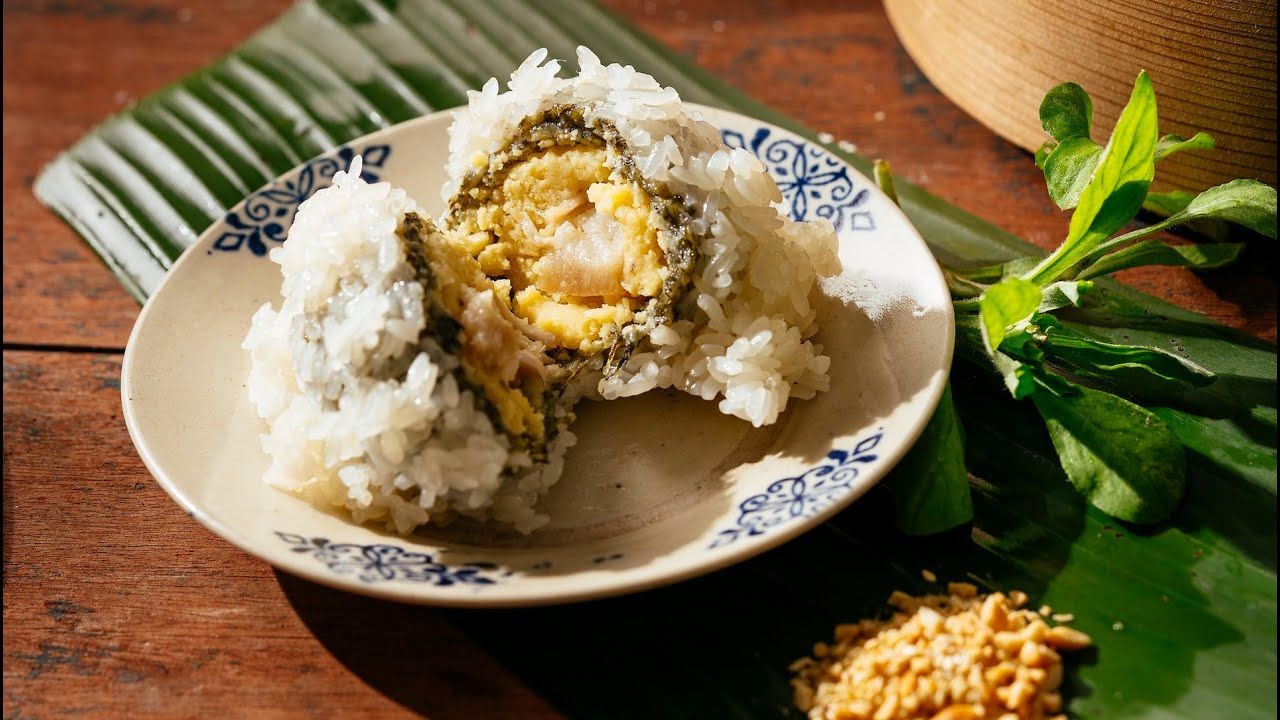
Banh khuc
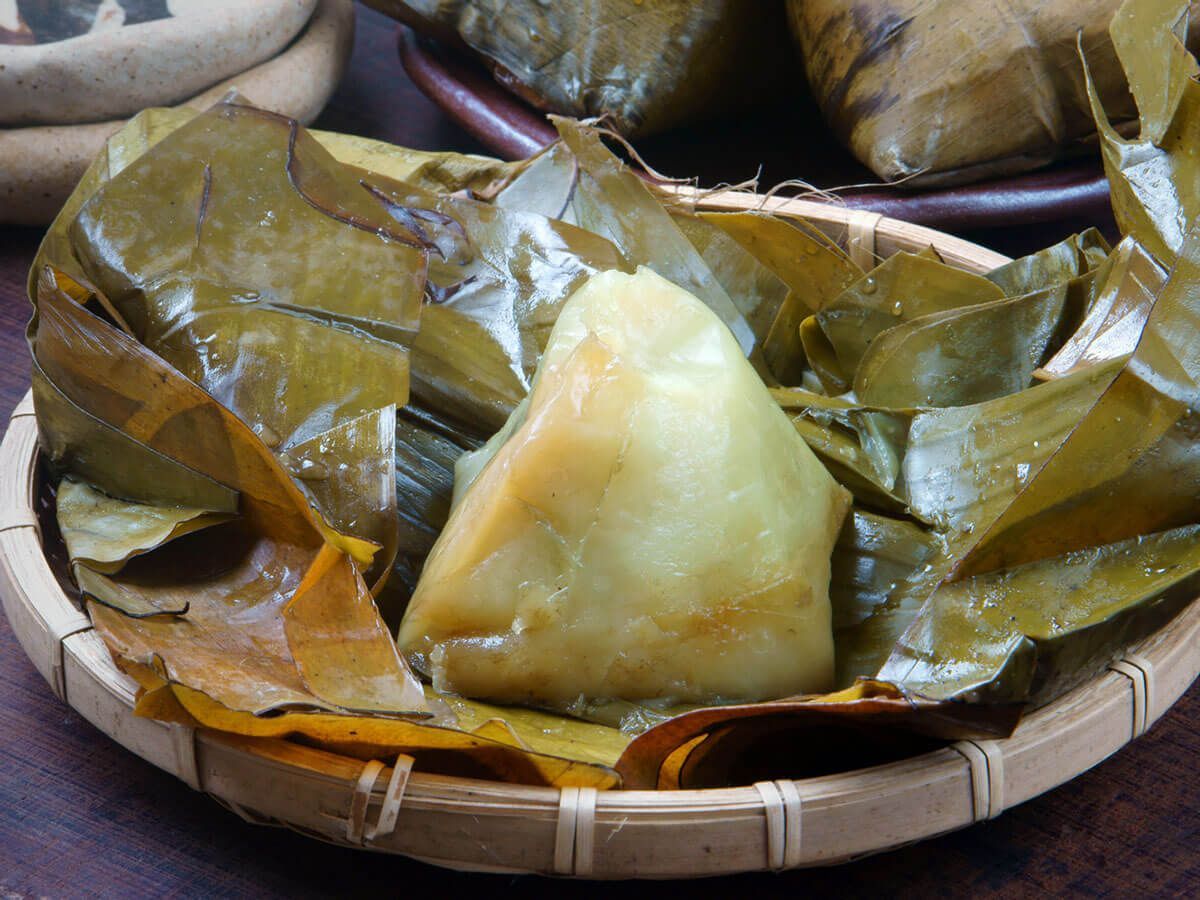
Banh gio
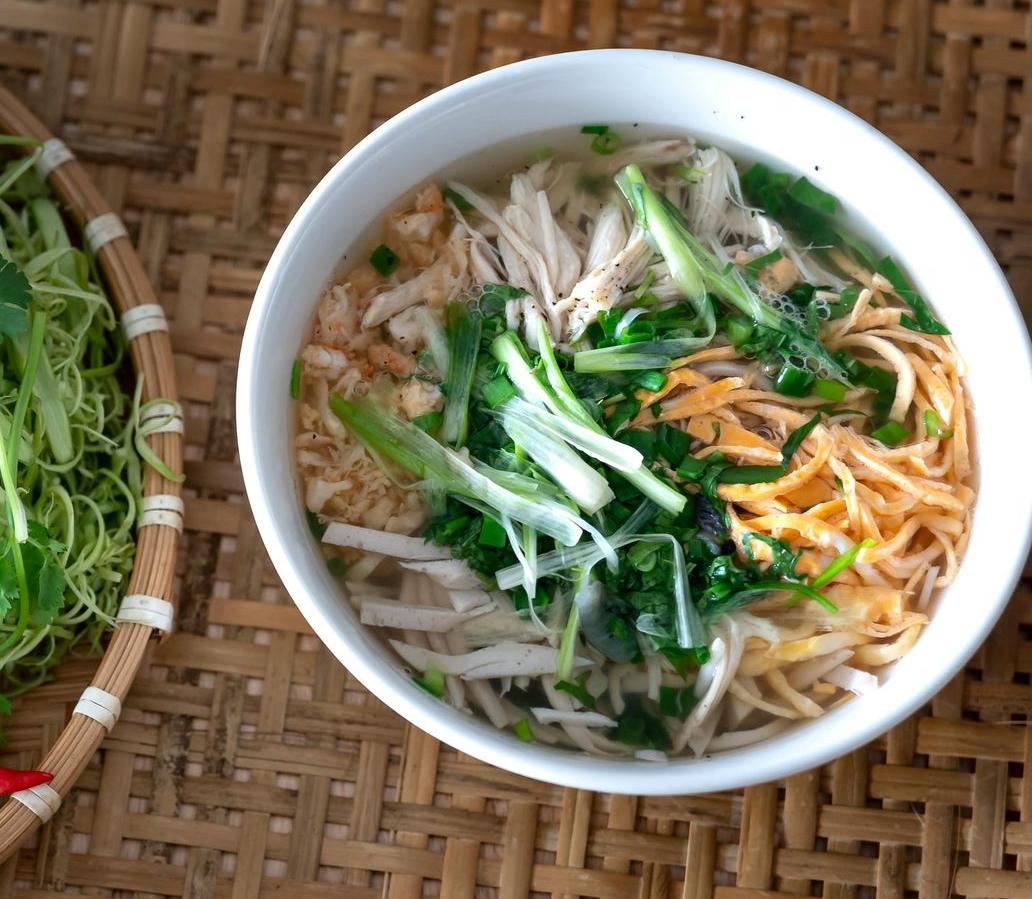
Bun Thang
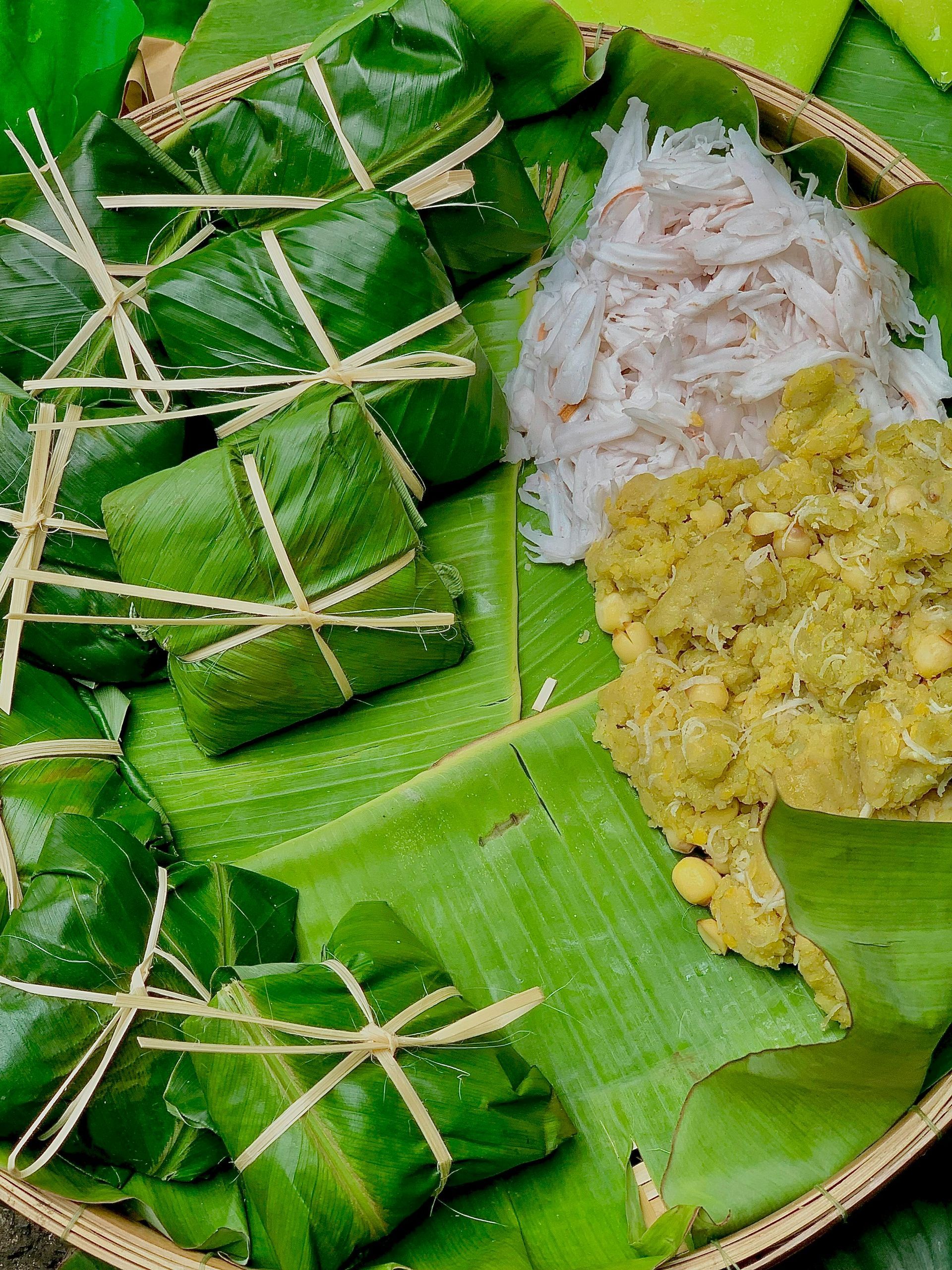
Com
1. Bánh Khúc - The Herbal Rice Dumpling
Bánh khúc feels like a quiet Hanoi morning wrapped in a single bite. The outer layer is glutinous rice flour mixed with khúc leaves - a wild herb that gives the dumpling a soft green hue and gentle, earthy fragrance. Inside, a warm filling of mung bean and seasoned pork delivers rich, savory comfort.
The texture is chewy, smooth, and deeply satisfying. You'll find bánh khúc sold from street vendors who carry them in insulated baskets through Old Quarter alleyways, often calling out softly as they walk. It's nostalgic, humble, and unmistakably Hanoi.
2. Bánh Giò - The Banana Leaf Pyramid
Unwrap a bánh giò and you'll find a silky pyramid of steamed rice flour, still trembling with heat. The filling - minced pork, wood ear mushrooms, and black pepper - is fragrant and comforting, while the banana leaf wrapping adds a delicate earthy aroma to every bite.
Locals eat bánh gio for breakfast with a splash of chili sauce or alongside Vietnamese sausage and pickled vegetables. Look for it at small morning stalls near Dong Xuan Market or along Hang Chieu Street in Hanoi's Old Quarter, where steam rises into the cool air and the city slowly wakes up.
3. Bún Thang - Hanoi's Most Elegant Soup
Bún thang is often considered the most refined noodle soup in northern Vietnamese cuisine. Fine rice vermicelli sit in a clear, shimmering broth built from chicken, dried shrimp, and a careful balance of seasoning. On top, silk-thin strips of chicken, egg crepe, and Vietnamese sausage are arranged with quiet precision.
Every spoonful unfolds gently - light yet layered, subtle yet deeply flavorful. Bún thang rewards patience. Take that first slow sip and let the broth speak for itself.
4. Com - Young Green Rice
Com is a seasonal Hanoi delicacy made from young green rice, available primarily in autumn (September through November). The soft, lightly chewy grains carry a fresh, naturally sweet fragrance that feels like harvest mornings in the Red River Delta.
Traditionally wrapped in lotus leaves, cốm takes on a floral, grassy aroma that makes unwrapping it a sensory experience on its own. You can enjoy it plain, or try com from Vòng Village - the most celebrated source, located just outside central Hanoi. More than a snack, cốm is a seasonal ritual tied to memory and tradition.
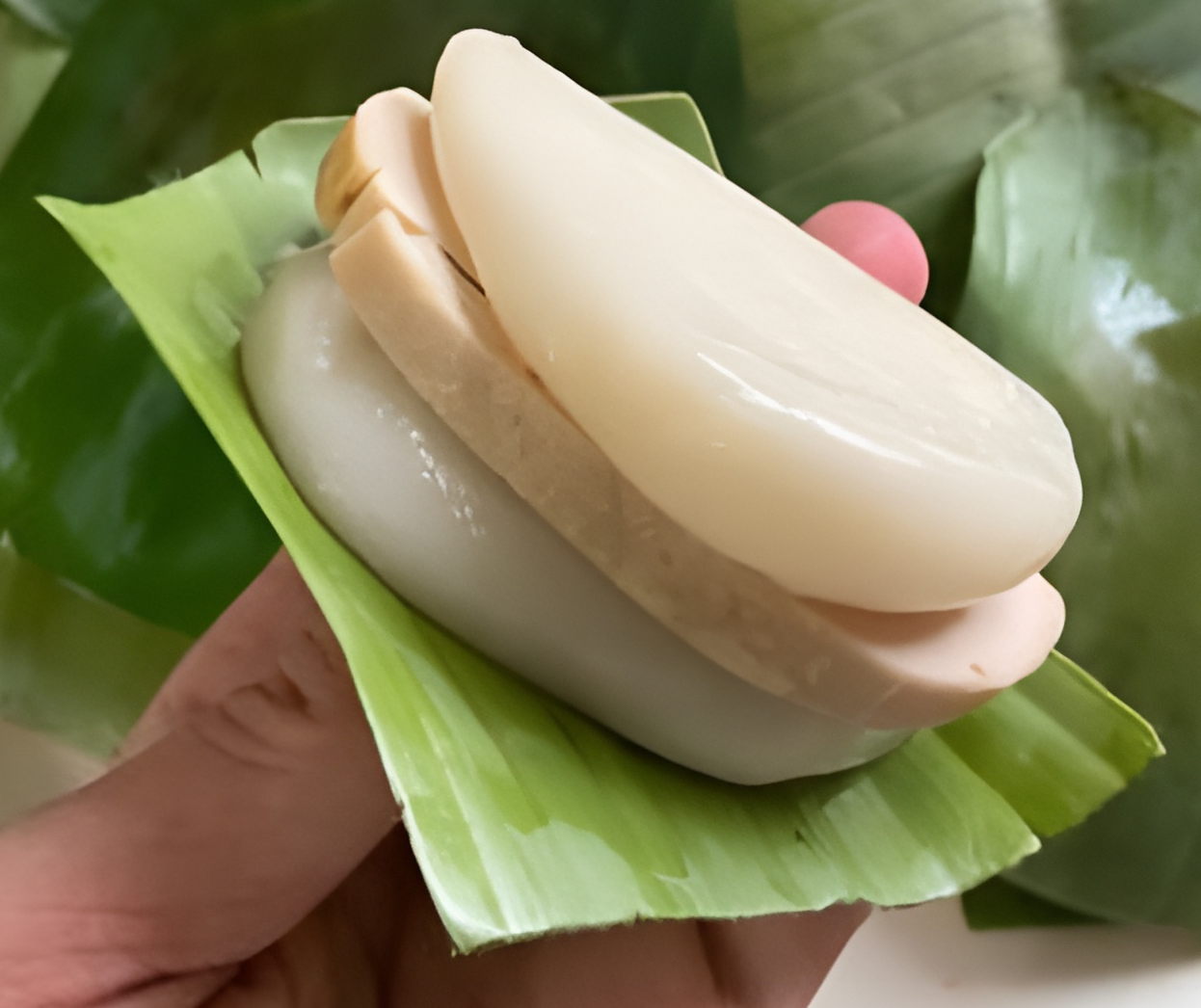
5. Bánh Dày Kep Giò - Sticky Rice Cake with Pork Sausage
Two soft, springy rounds of pounded glutinous rice sandwich a thick slice of gio lua (Vietnamese pork sausage). The result is beautifully simple - chewy, savory, and satisfying, with the clean sweetness of rice balancing the fragrant richness of the sausage.
Bánh dày kep giò is a quick grab-and-go bite, often sold as breakfast or a midday snack. No elaborate seasoning needed - the appeal lives in texture, freshness, and honest flavor.
Practical Tips for Finding These Dishes
- When to go: Early morning (6 – 9 AM) is prime time for bánh khúc, bánh giò, and bánh dày kẹp giò. Bún thang is a lunch dish. Cốm is seasonal - visit in autumn.
- Where to look: The streets around Hanoi's Old Quarter, especially near Đồng Xuân Market and along Hàng Chiếu, Hàng Bông, and Lý Quốc Sư streets.
- Cost: Most of these bites cost between 10,000 – 30,000 VND (under $1.50 USD).
- How to order: Pointing and smiling works perfectly. Most vendors sell one thing and sell it well.
- Go deeper: A guided culinary experience with a local can help you find the stalls that don't appear on any map.
Who Are These Dishes Ideal For?
- Foodies looking beyond the usual pho or banh mi (bread) circuit
- Slow travelers who enjoy eating where locals eat
- Couples or solo travelers exploring Hanoi's Old Quarter on foot
- Anyone curious about seasonal and traditional Vietnamese flavors
Taste the Hanoi That Only Locals Know
These five bites won't shout for your attention. Finding them on your own is part of the adventure, but having a local guide who knows exactly which grandmother's stall has the best bánh khúc and know interesting facts behind dishes makes all the difference.
The team at Up Travel Vietnam specializes in connecting travelers with these hidden corners of Hanoi's food culture, so you can skip the guesswork and go straight to the good stuff.
Want to explore Vietnamese cuisine in hidden valleys?
Open the door below
FAQ
What is bánh khúc made of?
Bánh khúc is made from glutinous rice flour mixed with khúc leaves, filled with mung bean and seasoned pork, then steamed until soft and fragrant.
Where can I try bún thang in Hanoi?
Some of the best-known bún thang shops are in Hanoi's Old Quarter, particularly along Cầu Gỗ and Hàng Hành streets near Hoàn Kiếm Lake. Or you can contact Up Travel Vietnam for more details
When is cốm available in Hanoi?
Cốm is a seasonal treat available mainly from September through November, when young rice is harvested in villages around Hanoi.
Is Hanoi street food safe for tourists?
Yes — choose stalls with high turnover and freshly prepared food. Busy vendors with local crowds are your best indicator of quality and safety.
How much does street food cost in Hanoi?
Most local bites like bánh giò or bánh dày kẹp giò cost between 10,000–30,000 VND, which is roughly $0.50–$1.50 USD.
UP TRAVEL VIETNAM
Up Travel Vietnam was founded by seasoned travelers and local specialists with an ambition to offer outstanding 5-star service quality to international customers traveling to Vietnam.
Over the past 11 years, Up Travel Vietnam has got continuous years achieving
Certificate of Excellence from the most reputable organization worldwide in Tourism & Hospitality - TripAdvisor since 2015. We are proud to appear on more than
17 TV Channels, Newspapers & Magazines (namely Transit Magazine - the biggest Magazine in Tourism & Hospitality from Tokyo, Japan).