Vietnam Tourism in 2026: Growth, Resilience, and the Trends Redefining the Industry
Vietnam Tourism With Remarks in Q1 2026

Vietnam's tourism sector is entering 2026 with a clear signal: the fundamentals are strong, and the trajectory is upward. For travel businesses, hospitality operators, and destination partners, this is a moment worth paying close attention to.
In the first quarter of 2026, Vietnam welcomed 6.76 million international visitors — a 12.4% increase compared to the same period last year. March alone brought nearly 2.1 million arrivals, the third consecutive month exceeding the 2-million threshold. These are not just impressive numbers. They reflect a structural shift in how the world perceives Vietnam as a travel destination.
| 6.76M | +12.4% | +55.6% |
|---|---|---|
| International Arrivals, Q1 2026 | Year-on-year growth vs Q1 2025 | Growth in European markets |
Market diversification is the story
What stands out in Q1 data is not just the volume, but the breadth of growth. Southeast Asian markets led the charge: the Philippines surged 69.3%, Indonesia 43.9%, Cambodia 41.1%, and Singapore 30.2%. But perhaps the most telling figure is the 55.6% increase from European visitors — a market known for longer stays, higher spending, and a preference for quality experiences. This diversification signals that Vietnam is no longer dependent on a single regional market, making the industry structurally more resilient.
Resilience in the face of global headwinds
2026 has not been without its challenges. Rising fuel prices and geopolitical tensions — particularly in the Middle East — have disrupted international flight routes and pushed up operational costs for airlines and tour operators alike. Yet Vietnam's inbound numbers held firm. Long-haul markets from Europe continued to grow year-on-year despite these pressures, largely because Vietnam has positioned itself as a safe, accessible, and competitively priced destination. For B2B partners assessing destination risk, this resilience matters.
Experience, sustainability, and technology are reshaping demand
Beyond the numbers, the nature of travel to Vietnam is evolving. Today's visitor, whether from Seoul, London, or Singapore, is not just looking for a destination. They are looking for an experience. Demand is rising sharply for immersive cultural encounters: hands-on cooking workshops, farming stays, craft village explorations, and guided access to local communities that most itineraries have historically overlooked.
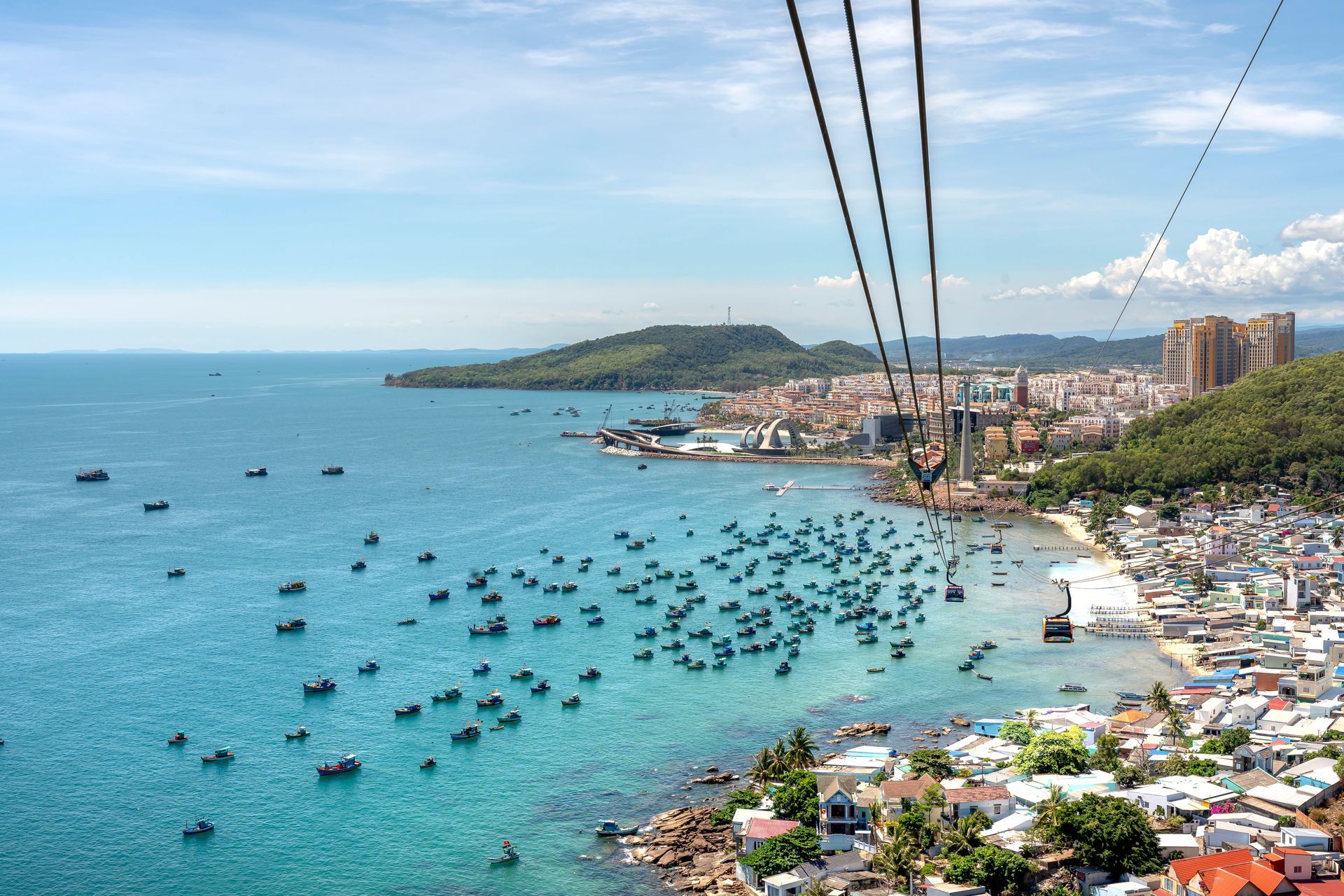
Simultaneously, sustainability is becoming a competitive requirement, not a differentiator. Destinations like Ninh Binh, Ha Giang, and Phu Quoc are gaining international recognition precisely because they align tourism development with conservation. Hotels, operators, and destination managers who have yet to integrate eco-conscious practices into their offerings are increasingly at a disadvantage.
Digital transformation is also accelerating the pace of change. AI-driven itinerary tools, smart destination platforms, and contactless visitor infrastructure are moving from pilot programs to standard expectations, particularly in major hubs like Da Nang, Hanoi, and Ho Chi Minh City.
What this means for the industry
The opportunity in Vietnam's tourism market in 2026 is broad, but capturing it requires more than presence - it requires alignment with where demand is actually heading. Partners who invest in authentic programming, sustainable operations, and digital readiness are best positioned to benefit from the wave of growth that Vietnam's numbers are signaling.
References:
- Vietnam National Authority of Tourism (2026) Vietnam tourism 2026: innovation, sustainability, and meaningful experiences, Vietnam National Authority of Tourism. Available at: https://vietnamtourism.gov.vn/en/post/21489.
- Vietnam News Agency (2026) Vietnam's tourism sector overcomes global challenges to sustain growth, VietnamPlus, 13 March. Available at: https://en.vietnamplus.vn/vietnams-tourism-sector-overcomes-global-challenges-to-sustain-growth-post339196.vnp.
UP TRAVEL VIETNAM
Up Travel Vietnam was founded by seasoned travelers and local specialists with an ambition to offer outstanding 5-star service quality to international customers traveling to Vietnam.
Over the past 11 years, Up Travel Vietnam has got continuous years achieving
Certificate of Excellence from the most reputable organization worldwide in Tourism & Hospitality - TripAdvisor since 2015. We are proud to appear on more than
17 TV Channels, Newspapers & Magazines (namely Transit Magazine - the biggest Magazine in Tourism & Hospitality from Tokyo, Japan).