Hanoi Old Quarter Guide: 36 Streets, Food & Local Tips
Step into a labyrinth of narrow lanes where the smell of simmering pho broth drifts from pavement kitchens, silk banners ripple in the morning heat, and the hum of a thousand motorbikes fills every alleyway. Welcome to Hanoi Old Quarter - Phố Cổ Hà Nội - one of Southeast Asia's most layered, chaotic, and deeply captivating urban districts.
Covering barely one square kilometer in the heart of Vietnam's capital, this ancient trading quarter has been continuously inhabited and commercially active for over 1,000 years. For first-time visitors, it can feel overwhelming. For seasoned travelers, it always reveals something new. This guide walks you through exactly how to explore Hanoi Old Quarter - what to see, where to eat, and how to move through it like a local.
What Is Hanoi Old Quarter?
Hanoi Old Quarter is a historic commercial district composed of 36 ancient streets, each originally dedicated to a specific guild trade - from silk and silver to paper goods and bamboo.
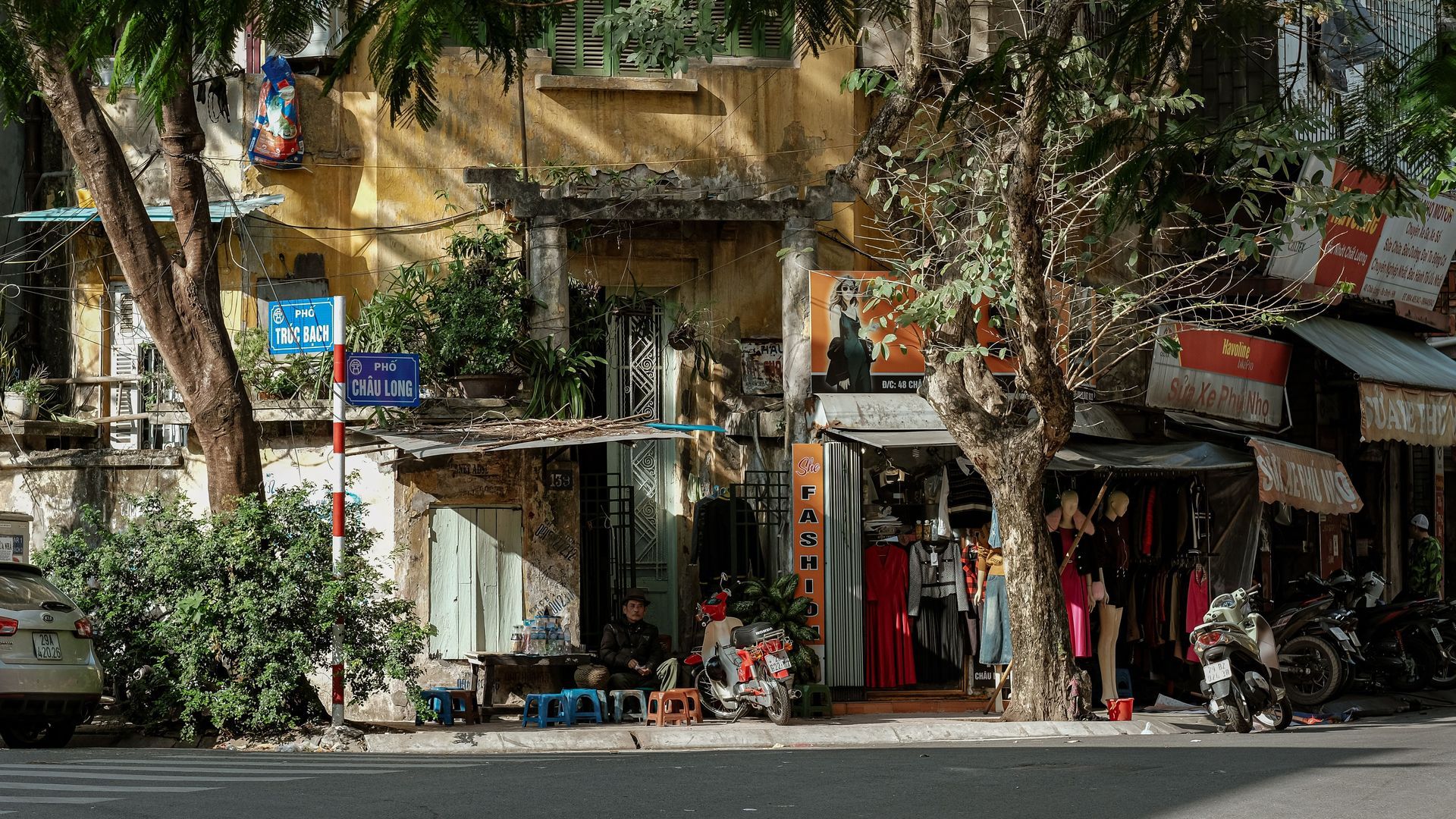
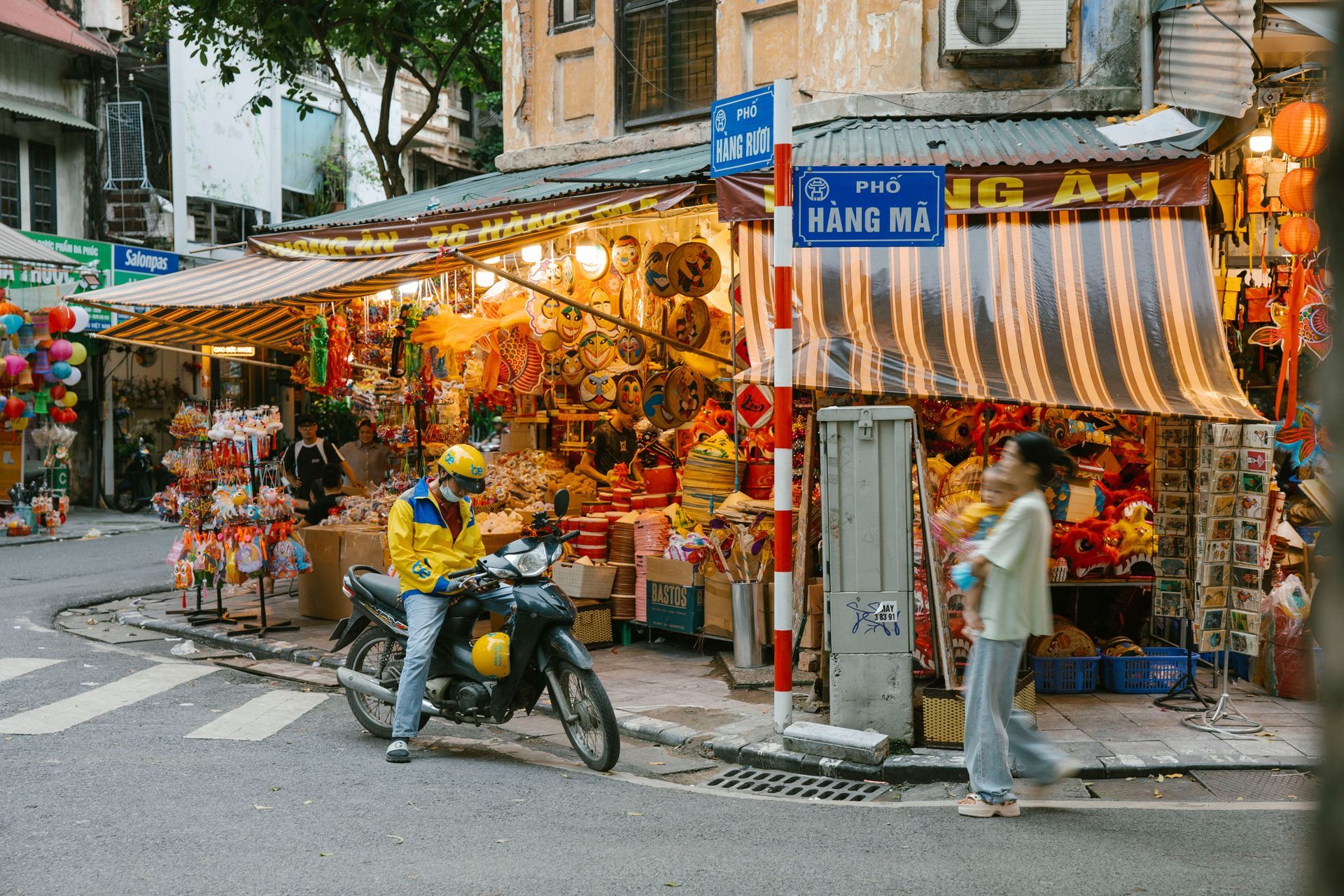
The Vietnamese name Phố Hàng literally translates as "merchant streets," and that trading identity is still alive today. Streets like Hàng Gai (Silk Street), Hàng Bạc (Silver Street), and Hàng Mã (Paper Goods Street) still carry the names of the crafts that defined them centuries ago. While modernization has blurred some of those boundaries, the Old Quarter remains a working, breathing neighborhood - not a preserved museum.
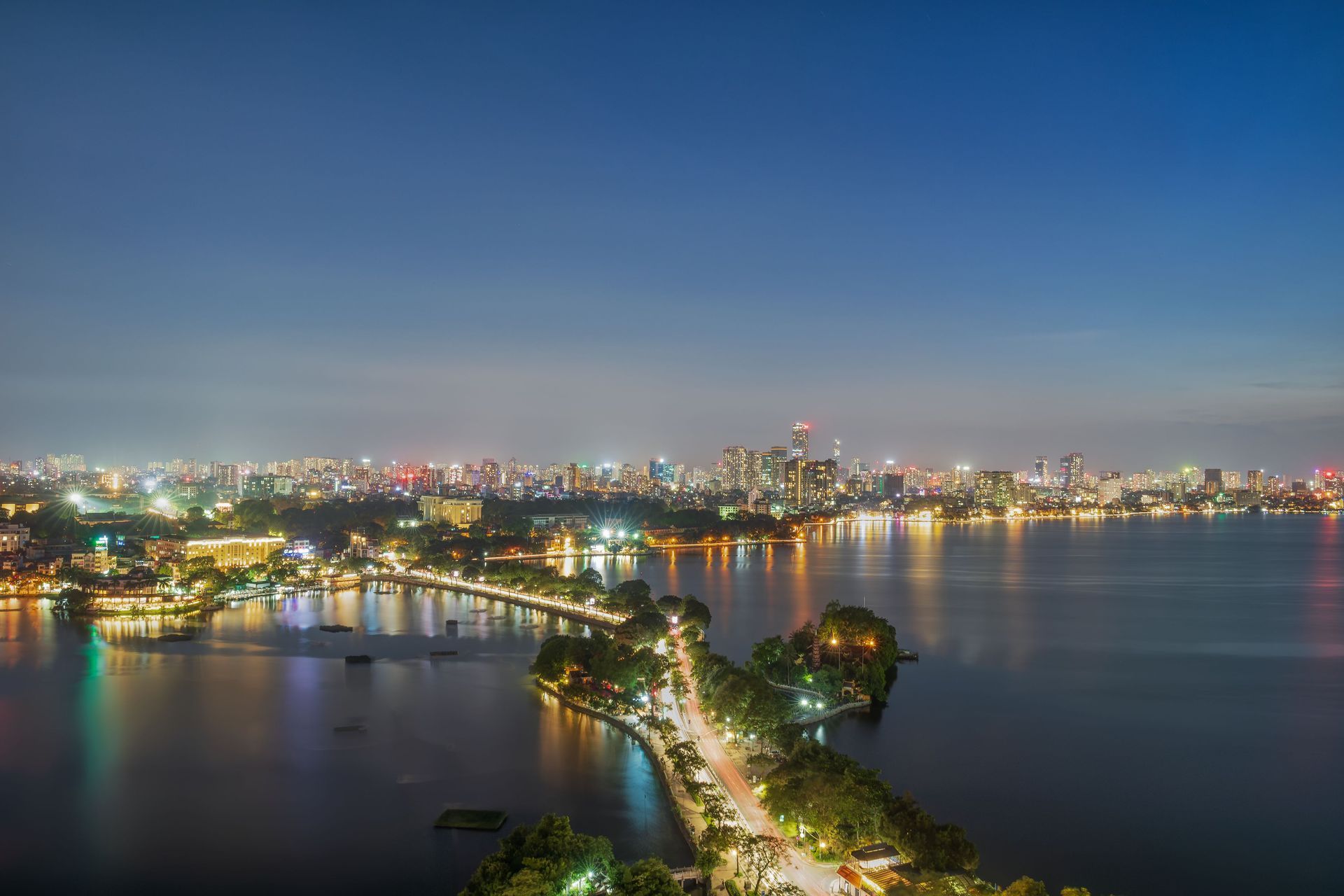
The district borders Hoan Kiem Lake to the south and Dong Xuan Market to the north - the largest covered market in Hanoi.
Why Hanoi Old Quarter Belongs at the Top of Your Itinerary?
Nowhere else in Hanoi will you find such a dense intersection of street food culture, traditional craft, French colonial architecture, ancient temples, and everyday Vietnamese life - all within a walkable radius. For international travelers, the Old Quarter functions as both an introduction to Vietnamese culture and a window into how Hanoi actually works: loud, layered, and completely alive.
It's also the most historically rich part of the city. The street grid hasn't changed significantly since the 15th century, and some family businesses here have operated across four or five generations.
How to Explore the 36 Streets of Hanoi Old Quarter?
Which Streets Are Worth Walking?
Not all 36 streets reward equal time. These are the ones that consistently deliver:
- Hàng Gai (Silk Street) - The go-to for Vietnamese silk, lacquerware, and custom áo dài tailoring. Great for browsing, even if you don't buy.
- Hàng Mã (Paper Street) - Packed with colorful lanterns, festive decorations, and votive paper goods. Especially vibrant in the weeks before Tết.
- Hàng Bạc (Silver Street) - Historic goldsmiths and jewelry workshops, some run by the same family for generations.
- Tạ Hiện Street - Known as Hanoi's Beer Street, this is where the bia hơi (fresh draft beer) culture is at its loudest and most social.
- Lương Ngọc Quyến - A quieter lane with elegant French-era shophouse facades and relaxed local cafés, ideal for slowing down.
Top Things to Do in Hanoi Old Quarter
- Visit Ngoc Son Temple - Cross the iconic red Thê Húc Bridge to this island temple on Hoan Kiem Lake. Arrive before 8am for calm, crowd-free atmosphere.
- Explore Dong Xuan Market - Hanoi's oldest and largest covered market. Go before 9am for the freshest produce and most authentic experience. Bargaining is expected.
- Join the Weekend Walking Street - Every Friday, Saturday, and Sunday evening, streets around Hoan Kiem Lake close to traffic. Live music, street food stalls, and locals fill the space.
- Discover Bach Ma Temple - One of Hanoi's oldest temples, tucked inside a narrow shophouse on Hàng Buồm Street. Easy to walk past; impossible to forget once you find it.
- Take a guided street food walk - The Old Quarter's food scene is dense and fast-moving. A guided culinary walk helps you navigate the best spots without guesswork. Up Travel Vietnam's culinary experience tours are designed specifically for travelers who want to eat well and understand the stories behind the food.
What to Eat in Hanoi Old Quarter?
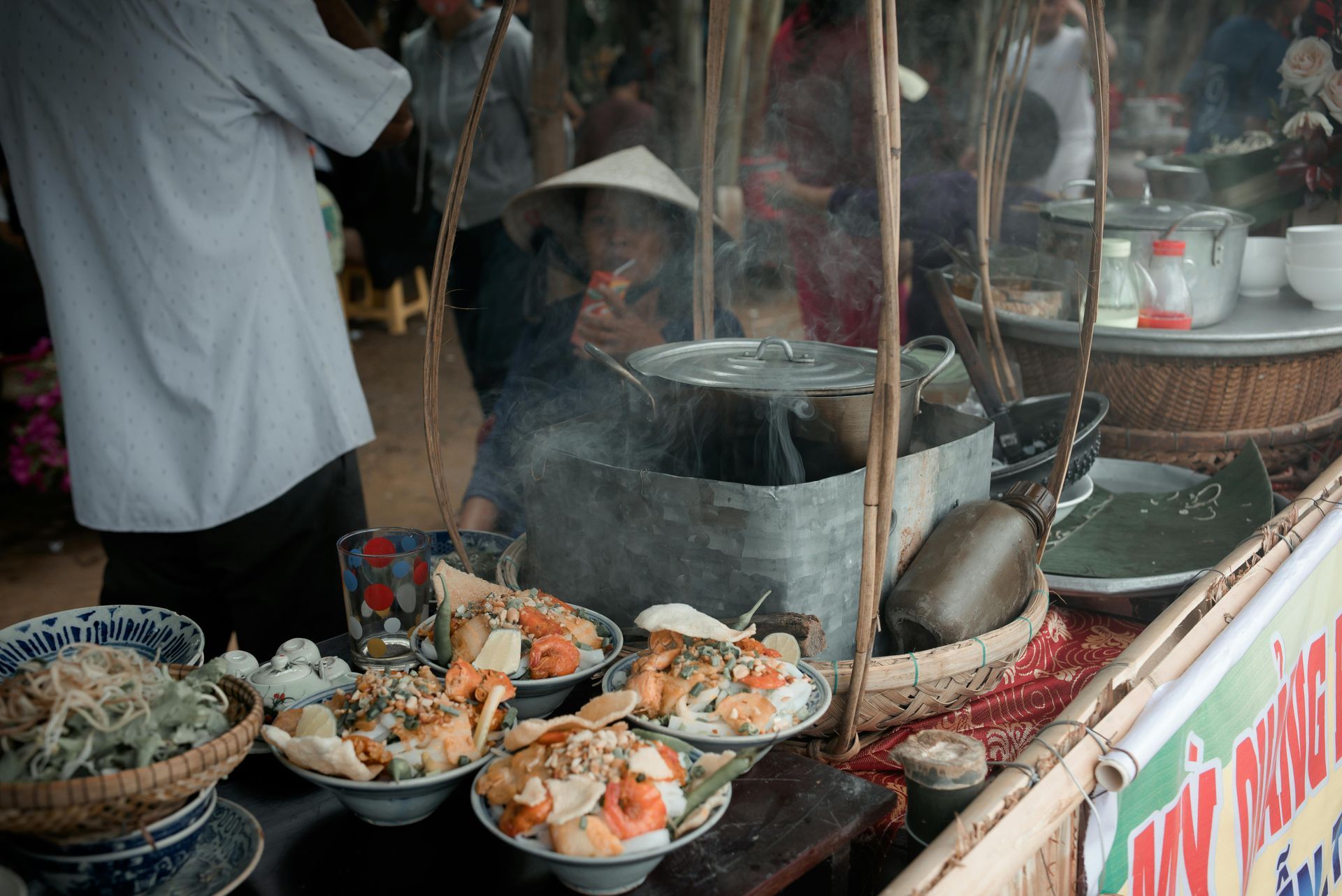
The Old Quarter is one of the finest places to eat in Vietnam - the concentration of street food stalls, generations-old recipes, and hyper-local Hanoi dishes is extraordinary.
These are the dishes to hunt down:
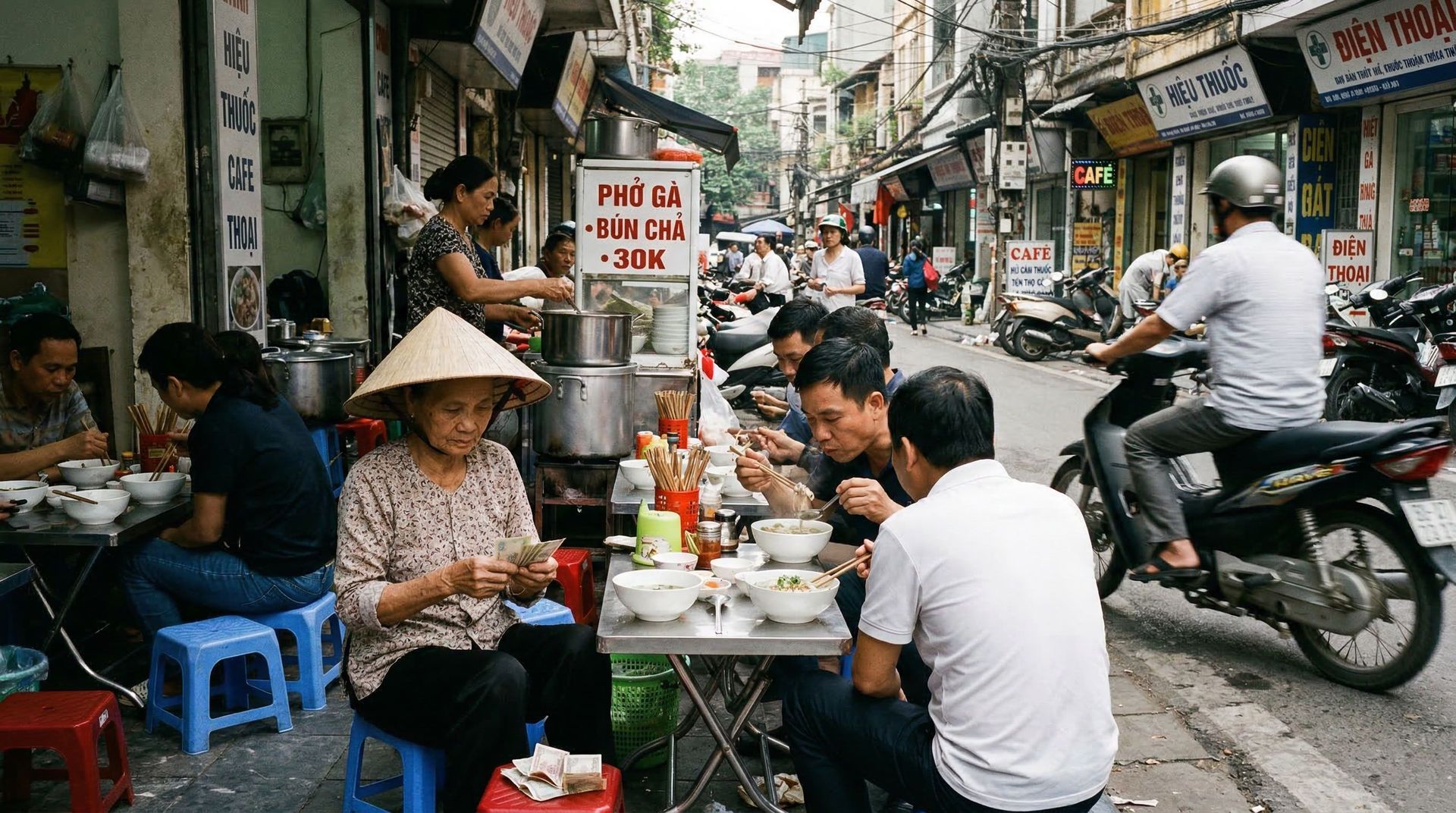
- Phở bò - Hanoi-style beef pho is cleaner, simpler, and more aromatic than its southern counterpart. Find it on Bát Đàn Street at one of the city's most celebrated pho stalls.
- Bún chả - Grilled pork patties served in a light dipping broth with vermicelli and fresh herbs. A Hanoi original, best eaten at lunch.
- Bánh cuốn - Silky steamed rice rolls filled with minced pork and wood ear mushrooms, eaten for breakfast with a side of crispy shallots.
- Cà phê trứng (Egg Coffee) - Invented in Hanoi in the 1940s, best experienced at Giảng Café on Nguyễn Hữu Huân Street - a rickety staircase leads to one of the city's most beloved institutions.
- Bia hơi - Freshly brewed draft beer served in tiny plastic stools on Tạ Hiện Street for around 10,000–15,000 VND (under $1 USD). The social ritual is as important as the drink.
Practical Tips for Visiting Hanoi Old Quarter
- Best time to visit: October to April offers dry, cooler weather ideal for long walking days. Avoid July–August if possible - the humidity and rain can be draining.
- Getting around: Walk. The Old Quarter is compact and best explored on foot. At every intersection, stop and look - motorbikes have right of way in practice, if not in law.
- Getting there: Use Grab (Vietnam's ride-hailing app) or a metered taxi. Ask to be dropped near Hoan Kiem Lake; the Old Quarter starts immediately north of it.
- Dress code: Light, breathable clothing works best. Cover shoulders and knees when entering temples like Ngoc Son or Bach Ma.
- Budget: Street food meals typically run 30,000 - 80,000 VND ($1.20 - $3.20 USD). Sit-down restaurants near the lake run significantly higher.
- Safety: The Old Quarter is generally very safe for tourists. Keep an eye on your belongings in market crowds and around Dong Xuan.
Planning Your Hanoi Old Quarter Visit
Exploring the Old Quarter independently is completely possible - but the density of it can catch travelers off guard. Hidden temples with no signage, family kitchens with no English menus, and alleyway shortcuts that aren't on Google Maps are exactly the kinds of discoveries a knowledgeable local guide unlocks.
Up Travel Vietnam's Hanoi tour packages include guided Old Quarter experiences built for international travelers - small groups, English-speaking local guides, and itineraries that go deeper than the standard tourist circuit. For more curated Hanoi travel content, the Up Travel Vietnam blog covers everything from temple routes to seasonal food guides.
FAQ
How long do I need to explore Hanoi Old Quarter?
You can get a solid feel for the Old Quarter in half a day, but a full day gives you time to eat well, shop, and explore without rushing. Multiple visits across your Hanoi stay are even better - the neighborhood reveals different layers at different times of day.
Is Hanoi Old Quarter safe for tourists?
Yes - the Old Quarter is one of Hanoi's safest areas for international visitors. The primary hazard is traffic; always look carefully before crossing any street, even narrow side lanes.
What is the best time of day to visit Hanoi Old Quarter?
Early morning before 9am is ideal for markets and street food breakfast; late afternoon into evening is perfect for the Walking Street and bia hơi culture on Tạ Hiện. Midday in summer can feel exhaustingly hot.
How do I get to Hanoi Old Quarter from Noi Bai Airport?
The easiest options are a pre-arranged airport transfer, a metered taxi, or the Grab app. Journey time is typically 40–60 minutes depending on traffic. Ask to be dropped at Hoan Kiem Lake and walk north into the quarter.
Do I need a guided tour of Hanoi Old Quarter, or can I go solo?
Solo exploration is absolutely viable - but a local guide adds significant value, especially for food, history, and off-the-beaten-track discoveries. Many travelers find that even a half-day guided walk transforms how they experience the rest of their independent time in the district.
UP TRAVEL VIETNAM
Up Travel Vietnam was founded by seasoned travelers and local specialists with an ambition to offer outstanding 5-star service quality to international customers traveling to Vietnam.
Over the past 11 years, Up Travel Vietnam has got continuous years achieving
Certificate of Excellence from the most reputable organization worldwide in Tourism & Hospitality - TripAdvisor since 2015. We are proud to appear on more than
17 TV Channels, Newspapers & Magazines (namely Transit Magazine - the biggest Magazine in Tourism & Hospitality from Tokyo, Japan).