Vietnam Cruise Guide: Exploring Hanoi from Ha Long Port
Your cruise ship has just docked at Ha Long International Cruise Terminal, and somewhere 160 kilometers to the west, Vietnam's ancient capital is already alive - the smell of pho broth drifting through narrow alleys, elderly men playing chess beside a jade-green lake, motorbikes weaving past colonial facades that have stood for over a century. Hanoi is one of Southeast Asia's most layered, most human cities. And thanks to the Ha Long - Hanoi Expressway, it's now a genuine shore excursion destination for cruise passengers with a full day in port.
This is Part 1 of our Vietnam Cruise Guide from Halong series. Here, we focus entirely on Hanoi - the destinations worth your limited time, how to structure your visit, and what every cruise day-tripper needs to know before stepping off the gangway.
How Far Is Hanoi from Ha Long International Cruise Terminal?
Ha Long International Cruise Terminal sits approximately 160 kilometers east of central Hanoi - a 2.5 to 3-hour drive by private vehicle via the Ha Long - Hanoi Expressway.
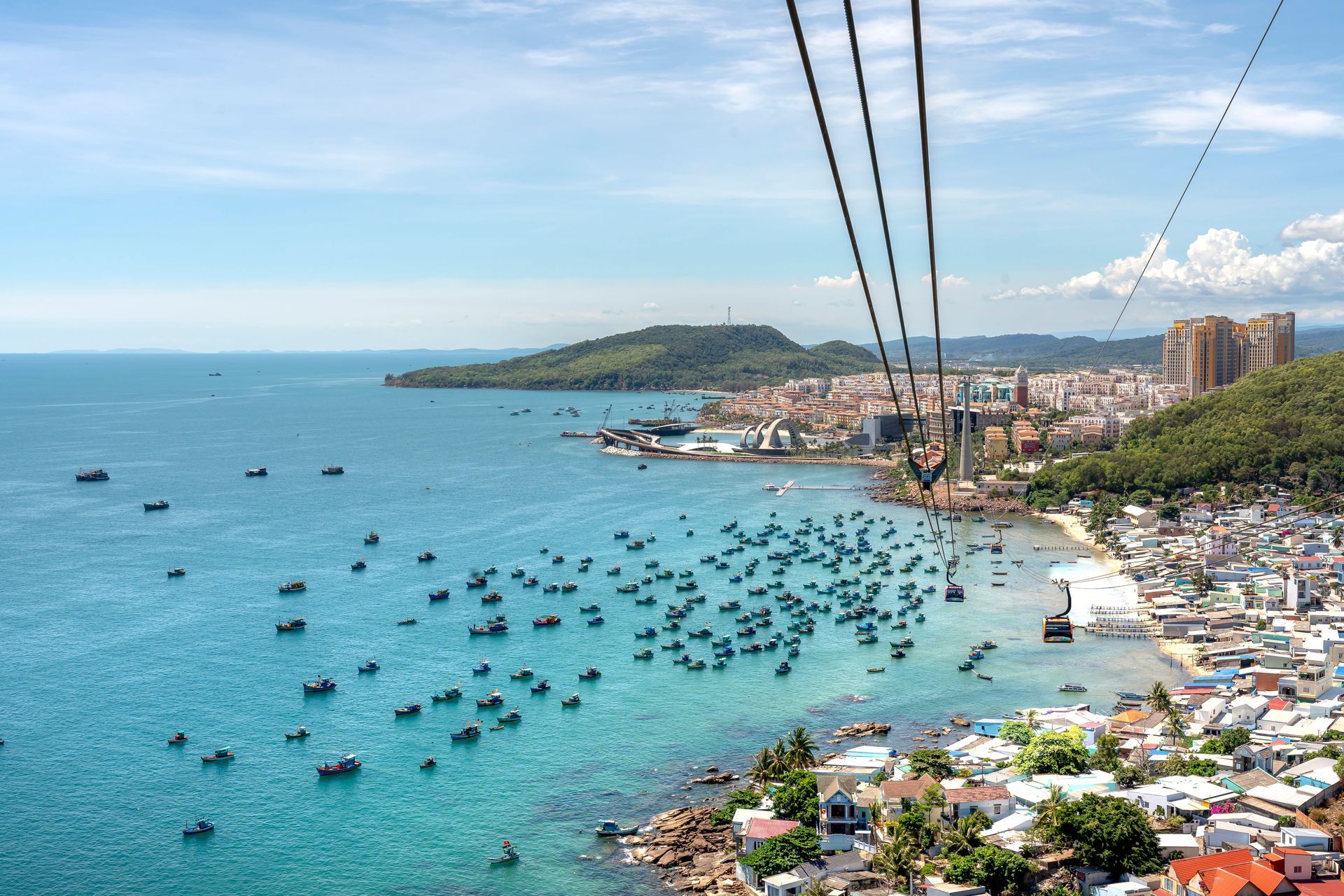
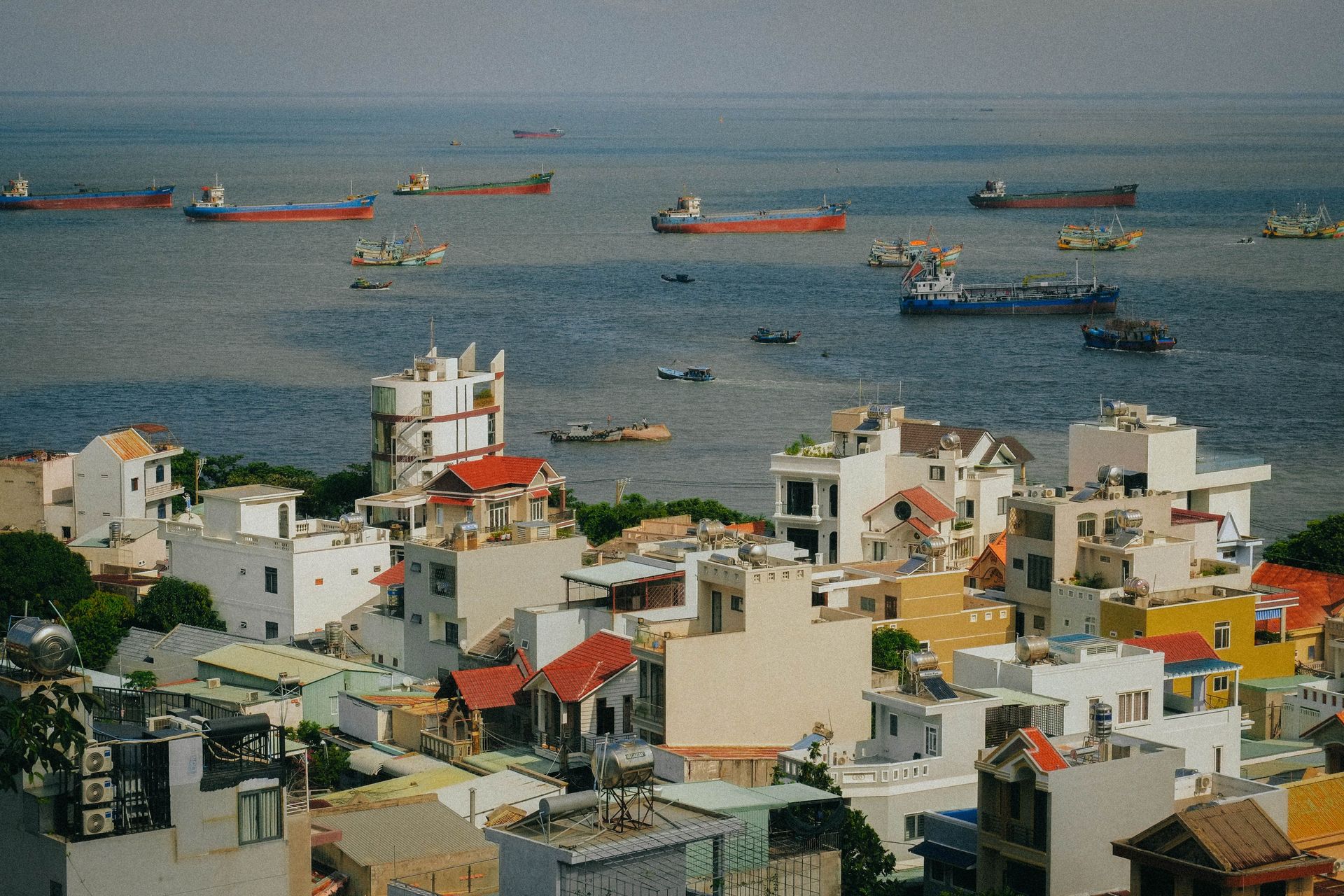
Opened in 2018 and purpose-built for international ocean-going vessels, Ha Long International Cruise Terminal is located on the Hon Gai waterfront in Ha Long City - one of the most scenic port arrivals in Southeast Asia, with karst islands visible directly from the dock. The expressway connecting Ha Long City to Hanoi has made what was once a four-hour slow-road slog into a smooth, predictable journey.
If your ship offers an 8–10 hour port window, Hanoi is within reach. You just need an early start and a well-sequenced plan.
That might sound far for a day trip, but the expressway has genuinely transformed this journey. What once took four hours on a slow national highway is now a smooth, direct run. If your ship has an 8 - 10 hour port window, Hanoi is within reach - you just need to leave early and be strategic about what you see.
- Port note: Most large ocean-going cruise vessels dock at Cai Lan International Port. Some smaller ships use Hon Gai Passenger Terminal, located closer to the city center. Confirm your terminal with the ship before planning transport.
Top Hanoi Destinations Worth Your Shore Excursion Time
Hoan Kiem Lake and Ngoc Son Temple
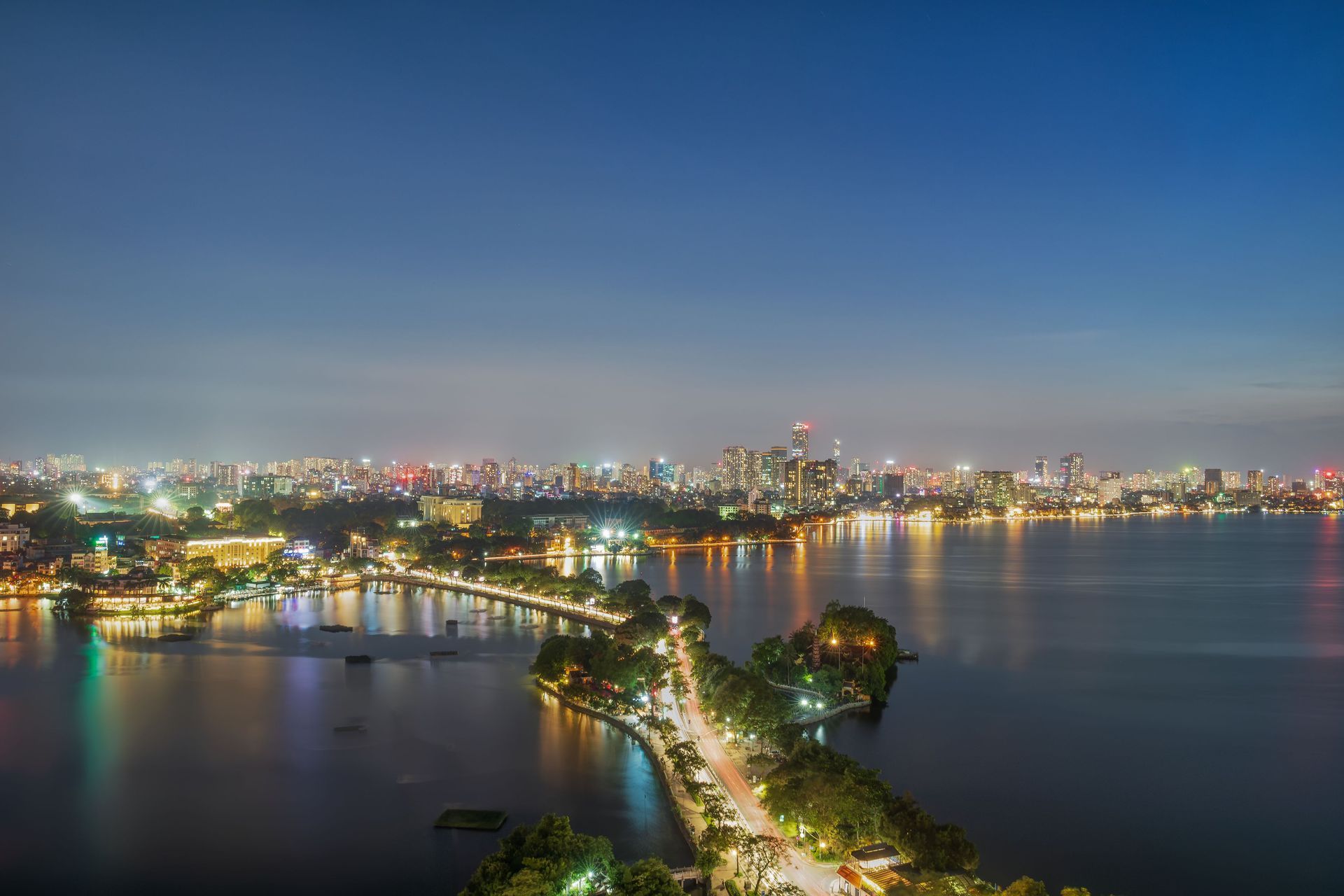
Hoan Kiem Lake - the "Lake of the Restored Sword" - is the emotional center of Hanoi, and the best place to begin any visit to the city.
Named after a 15th-century legend in which Emperor Le Loi returned a magical sword to a golden turtle, the lake sits at the edge of the Old Quarter and sets the tone for everything Hanoi represents: mythology woven into everyday life. Early mornings here are extraordinary - locals practice tai chi on the paths, elderly men play chess under the trees, and the red Huc Bridge leading to Ngoc Son Temple glows against the water.
Ngoc Son is a working Taoist-Buddhist temple, not a museum piece. It receives both worshippers and visitors, and crossing its bridge is one of the most accessible cultural moments available in northern Vietnam.
Hanoi Old Quarter (Phố Cổ)
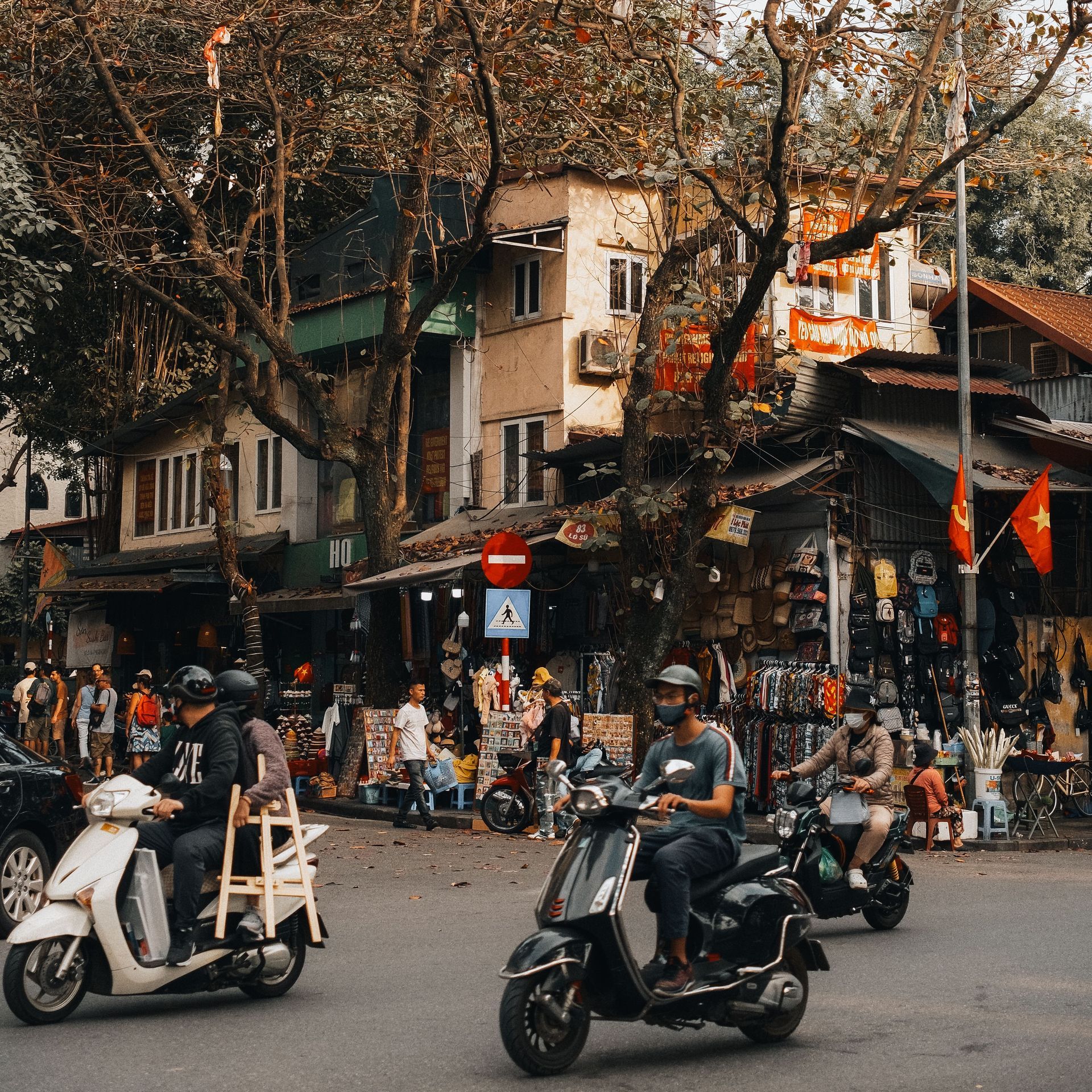
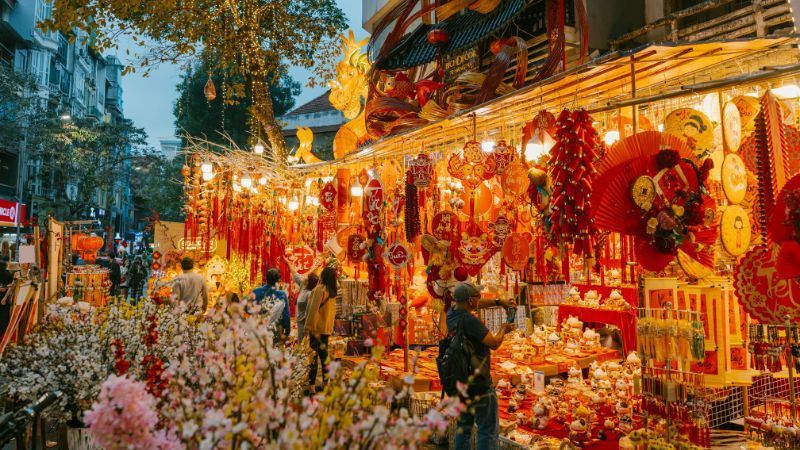
The 36 Streets of Hanoi's Old Quarter form one of the most historically intact merchant districts in Southeast Asia, where each alley was once governed by a single trade guild.
Hang Bac (silver), Hang Gai (silk), Hang Dong (bronze) - the street names still announce their heritage, even as the shops have evolved. For cruise day-trippers with limited time, the Old Quarter rewards slow walking and deliberate stops:
- Dong Xuan Market - Hanoi's largest covered market, built in 1889, full of wholesale goods, snacks, and local vendors who have traded here for generations
- Hang Gai Street - the silk street, excellent for Vietnamese lacquerware, embroidery, and hand-made items
- Ma May Street - some of the best-preserved tube house architecture in the city, with narrow facades stretching deep into the block
The Old Quarter is best explored on foot. Don't rush it - the real Hanoi lives in the gaps between landmarks.
Ho Chi Minh Mausoleum Complex, Ba Dinh Square
The Ho Chi Minh Mausoleum in Ba Dinh Square is Vietnam's most significant political and historical site - the resting place of the revolutionary leader who shaped modern Vietnam.
Ho Chi Minh ("Uncle Ho") remains the most revered figure in Vietnamese history. His granite mausoleum, modeled loosely on Lenin's in Moscow, is surrounded by a complex that tells the story of his remarkably simple life:
- The Presidential Palace - ornate French colonial building that Ho famously refused to live in
- Ho Chi Minh's Stilt House - a modest wooden house where he actually lived and worked
- One Pillar Pagoda (Chùa Một Cột) - a lotus-shaped pagoda rising from a single stone column, originally built in 1049 under Emperor Lý Thái Tông
⚠️ Important: The mausoleum is closed on Mondays and Fridays, and undergoes annual maintenance closure from September to November. Dress code is strictly enforced - covered shoulders and knees required.
Temple of Literature (Văn Miếu – Quốc Tử Giám)
The Temple of Literature is Vietnam's first national university, founded in 1070, and one of Hanoi's best-preserved historical complexes.
Dedicated to Confucius and the pursuit of scholarship, it consists of five walled courtyards with reflecting pools, ancient gateways, and pavilions. The standout feature: 82 stone stelae in the third courtyard, each engraved with the names of doctoral graduates from 1484 to 1779. These stelae are recognized by UNESCO as part of the Memory of the World Programme - a rare designation that speaks to their historical significance.
Unlike the Old Quarter, the Temple of Literature offers stillness. It's ideal for travelers who want cultural depth rather than commercial energy.
Hanoi Street Food: Eating Like a Local
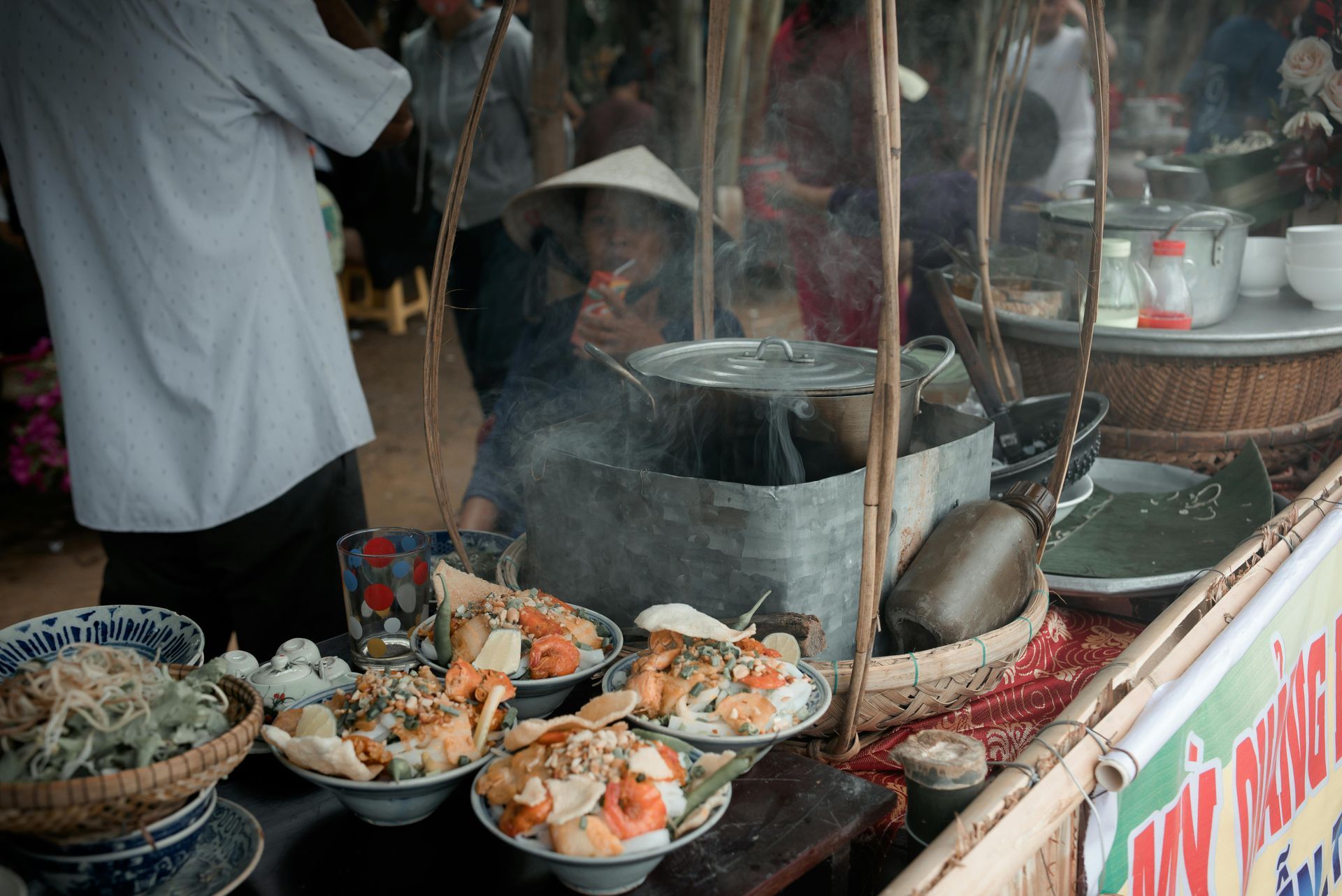
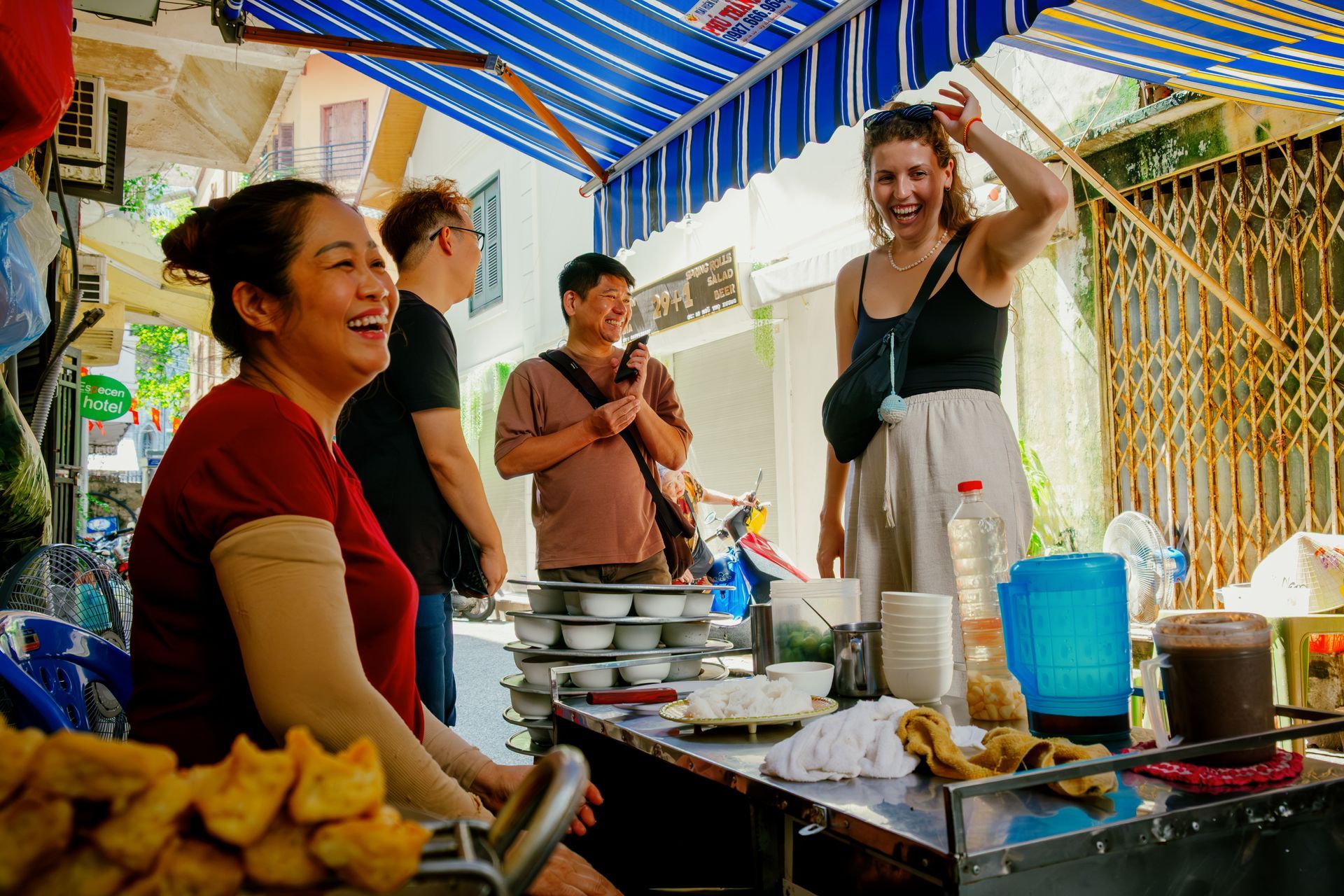
No shore excursion to Hanoi is complete without eating on the street - and the city's culinary identity is distinct enough from the rest of Vietnam to deserve its own conversation.
Northern Vietnamese food is leaner, subtler, and more restrained than the bold flavors of the south. What to prioritize:
- Phở Hà Nội - the Northern-style beef noodle soup: clearer broth, fewer garnishes, extraordinary depth
- Bún Chả - grilled pork patties and rice vermicelli in a light dipping broth (famously eaten by Anthony Bourdain and Barack Obama on Trần Hưng Đạo Street in 2016)
- Bánh Mì - the Vietnamese baguette sandwich, a living legacy of French colonial influence
- Cà Phê Trứng (Egg Coffee) - a Hanoi original: whipped egg yolk cream over robusta coffee, invented at Giảng Café in the 1940s and still served there today
For cruise passengers who want a more immersive food experience built into their itinerary, Up Travel Vietnam's culinary workshops and market tours can be structured around Ha Long port schedules.
Practical Tips for Cruise Passengers Visiting Hanoi
- Port window needed: A minimum of 8 – 9 hours in port makes Hanoi worthwhile; 10–11 hours is ideal
- Best transport: Private car or minivan - you control the schedule and won't miss your ship's departure
- Realistic site limit: Plan for 3 – 4 destinations maximum; trying to do more means experiencing nothing properly
- Currency: Vietnamese Dong (VND) - carry cash for street food, markets, and temple entry fees; ATMs are widely available
- Dress code: Bring a light scarf or jacket to cover shoulders and knees for temple visits
- Best time to leave port: No later than 7:00 – 7:30am to reach Hanoi by mid-morning and return comfortably by early evening
Who Is This Day Trip Best Suited For?
- History travelers - Ba Dinh Square, Hoa Lo Prison (the "Hanoi Hilton"), and Temple of Literature offer serious historical range
- Food-focused travelers - Hanoi's street food scene is among the most distinctive in Asia
- First-time Vietnam visitors - Hanoi provides an essential cultural orientation that Ha Long Bay alone cannot
- Photographers - the Old Quarter's tube houses, Hoan Kiem Lake at dawn, and the French Quarter's tree-lined boulevards
Planning Your Hanoi Shore Excursion from Ha Long Port
Hanoi rewards the curious traveler - even in a single day, it offers more texture and authenticity than most cities provide in a week. But the logistics matter enormously here. A poorly sequenced itinerary or unreliable transport on a 320-kilometer round trip is the difference between a memorable day and a stressful one.
The shore excursion specialists at Up Travel Vietnam design Hanoi day trips specifically around Ha Long port schedules - private vehicles, timed itineraries, and local guides who know exactly how much time each site needs. You focus on Hanoi. We handle the rest.
FAQ
How long does it take to get from Ha Long port to Hanoi?
The drive from Cai Lan Port in Ha Long City to central Hanoi takes approximately 2.5 to 3 hours by private vehicle via the Ha Long–Hanoi Expressway.
Is a day trip to Hanoi from Ha Long Bay actually worth it?
Yes - with a port window of 8 hours or more, you can comfortably visit 3–4 major Hanoi sites and enjoy a proper street food lunch. It's one of the most historically rewarding shore excursions available in northern Vietnam.
What are the top things to see in Hanoi on a short visit?
Hoan Kiem Lake, the Old Quarter (Phố Cổ), the Ho Chi Minh Mausoleum complex, and the Temple of Literature are the four highest-value sites for first-time visitors with limited time.
Is the Ho Chi Minh Mausoleum open every day?
No. It is closed every Monday and Friday, and shuts entirely from September to November for annual maintenance. Always verify the schedule before your visit.
Do I need a guide for a Hanoi shore excursion from Ha Long?
It's not mandatory, but strongly recommended. A local guide keeps you on schedule, provides cultural context, and ensures you return to port on time - all critical factors when your cruise ship won't wait.
UP TRAVEL VIETNAM
Up Travel Vietnam was founded by seasoned travelers and local specialists with an ambition to offer outstanding 5-star service quality to international customers traveling to Vietnam.
Over the past 11 years, Up Travel Vietnam has got continuous years achieving
Certificate of Excellence from the most reputable organization worldwide in Tourism & Hospitality - TripAdvisor since 2015. We are proud to appear on more than
17 TV Channels, Newspapers & Magazines (namely Transit Magazine - the biggest Magazine in Tourism & Hospitality from Tokyo, Japan).