The Ultimate SIM Card & eSIM Guide for Vietnam: Best Options for Travelers
Why You Need a Local SIM or eSIM in Vietnam?
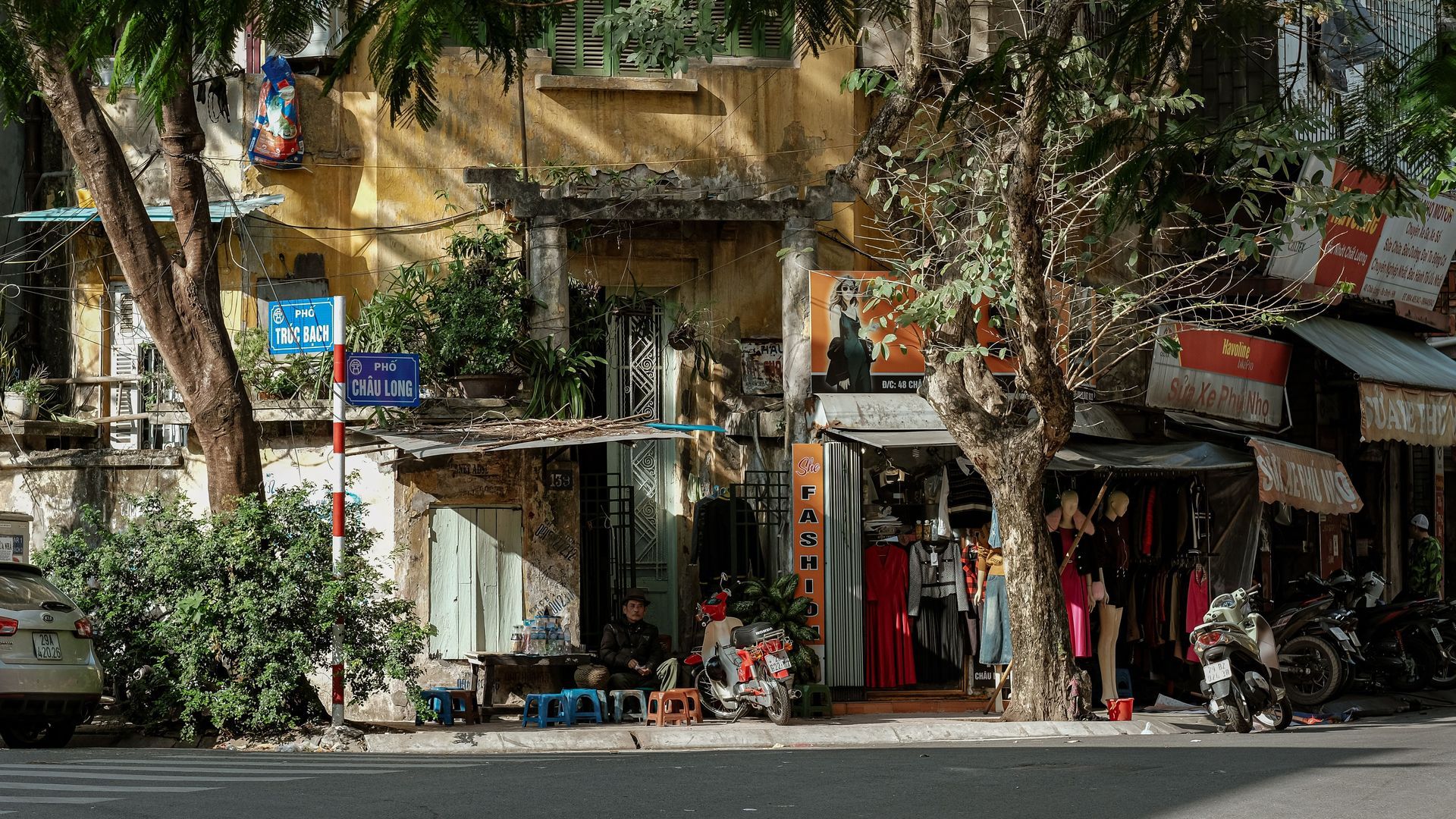
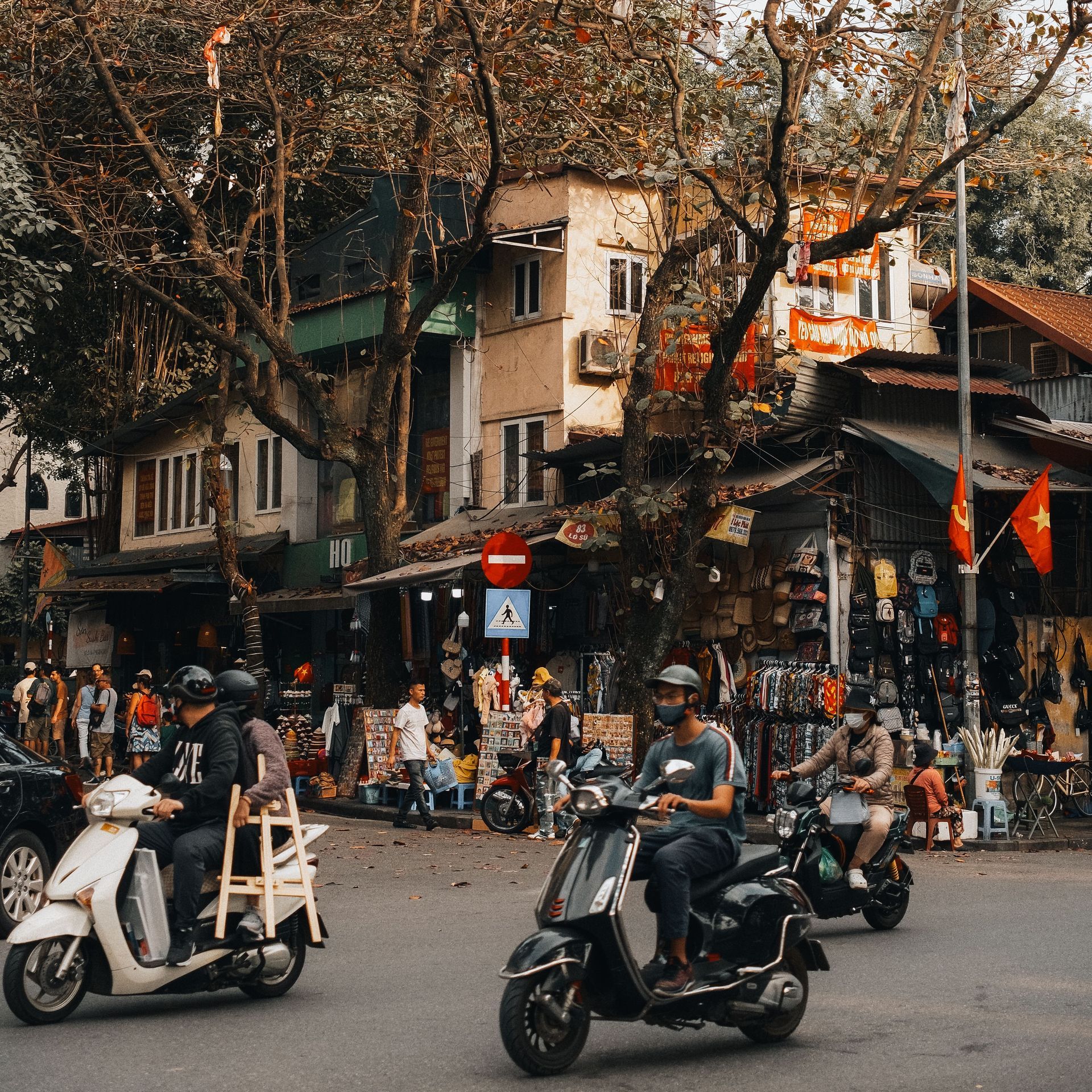
Staying connected is essential when traveling, whether you’re using GPS maps in the Old Quarter of Hanoi, booking a ride in Ho Chi Minh City, checking ferry times to Phu Quoc, or translating menus while exploring street food stalls. With a local Vietnamese SIM or eSIM, you get stable data, low-cost local calls, and easy top-ups. It’s more reliable and far cheaper than international roaming or hotel Wi-Fi, especially if you travel across multiple regions or visit rural areas.
SIM Card vs. eSIM - Which Is Better in Vietnam?
Both physical SIM cards and eSIMs have advantages depending on your travel style:
- Physical SIM card: Easy to find at airports, shops, and convenience stores. Good if you switch phones or use dual-SIM phones. Useful if your phone doesn’t support eSIM.
- eSIM: Perfect for modern smartphones (iPhone XR+, many Android models). No need to insert a physical card; purchase and activate it online or via an app. Great for short trips or when you want the internet as soon as you land.
If you plan a multi-city trip, go off the beaten path, or just want convenience, an eSIM is often the smoother option. If you prefer flexibility or share data across multiple devices, a physical SIM card remains reliable.
Best Mobile Providers in Vietnam (2025 Ranking)
| Provider | Strengths & Coverage | Best For |
|---|---|---|
| Viettel | Widest network coverage nationwide, from big cities to remote provinces, stable 4G/5G, frequent tourist SIM packages. | Travelers exploring beyond major cities, remote areas, long-term stays |
| Vinaphone | Solid coverage in cities and tourist zones, affordable packages for short stays. | Short-term travelers staying mostly in urban/coastal areas |
| MobiFone | Affordable plans, decent urban coverage, stable service in major cities. | Budget travelers or those mostly in cities |
Where to Buy a SIM Card: Airport vs. City Shops
You can get a SIM card at:
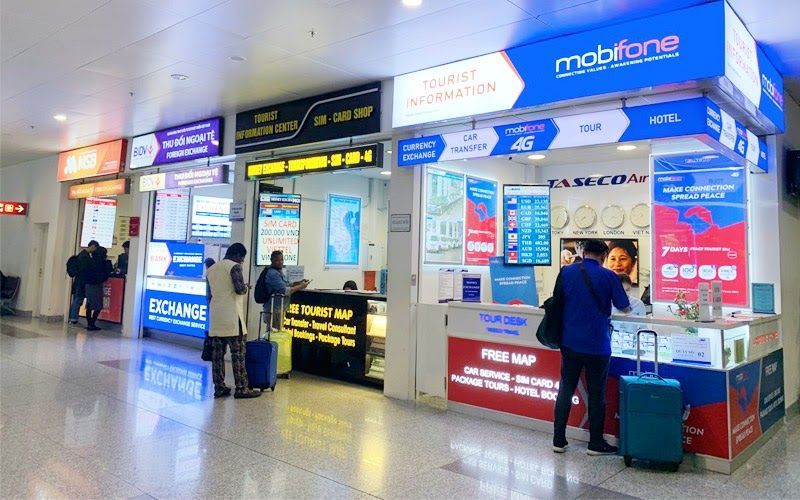
- Airport counters: Most convenient as you land. English-speaking staff can register and activate your SIM on the spot. Slightly higher prices but faster setup.
- Official stores or authorized shops in town: Usually cheaper, sometimes more plan options, but you’ll need your passport for registration. Always ask for a receipt and test the SIM before leaving the store.
⚠️ Avoid street vendors or unmarked shops, SIM scams exist: expired cards, unregistered SIMs, or poor network service. Buying from official stores or airport counters is much safer.
How Much Should Data Cost in Vietnam?
Typical tourist SIM/eSIM plans (2025):
- Viettel Tourist SIM/eSIM: From ~50,000 VND (~USD 2–5) for short-term data plans; common plans 5–10 GB/day for 7–30 days.
- Vinaphone / MobiFone plans: From about 70,000–250,000 VND (~USD 3–10) for 15–30 day packages.
- eSIM packages: Vary widely from data-only short-stay plans (~1–5 GB for several days) up to 20+ GB options for longer trips.
Budgeting around USD 5–15 per person per month for reliable data and calling access is usually enough, much cheaper than roaming or constantly searching for Wi-Fi.
What About eSIMs for Travelers?
If your phone supports eSIM, this is often the most convenient choice:
- You can buy and activate it from your hotel or airport on arrival, no need to hunt down a store.
- Great for short stays (few days to 2–4 weeks), just buy the data pack you need, activate via QR code/app, and go.
- Avoid the hassle of swapping physical SIM cards when moving between devices or dual-SIM phones.
If you’re staying longer, or traveling to remote regions, pairing an eSIM with a local physical SIM (or backup SIM card) can give extra security.
How to Avoid SIM Card Scams & Overpriced Tourist Packages
- Always buy from official provider stores (Viettel, Vinaphone, MobiFone) or airport counters.
- Bring your passport , SIM registration legally requires ID.
- Before leaving the shop, test mobile data and call function to confirm activation works.
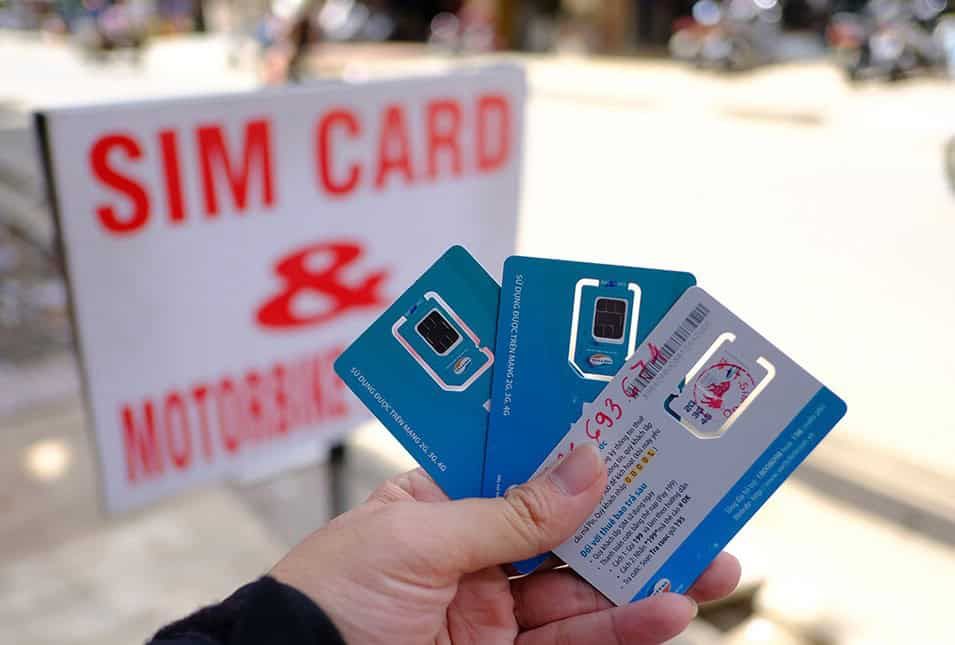
- Avoid street-side “SIM kiosks” advertising “unlimited data cheap.” These often are unregistered or expired SIMs that may get blocked or lose signal.
Essential Tips Before Activation & Use
- Ensure your phone is unlocked and compatible with Vietnamese networks (most 4G/5G phones are fine).
- After inserting a SIM / activating an eSIM:
- Set correct APN settings if needed (though official SIMs often auto-configure)
- Test internet speed, run a quick Google search or YouTube video
- Confirm hotspot/tethering works if you plan to share data with other devices
- For long trips: regularly top-up data or credit using convenience stores or the provider’s mobile app (e.g. My Viettel), often multilingual.
Stay Connected, Travel Smarter in Vietnam
Staying online in Vietnam isn’t just about convenience, it ensures smooth navigation, easy communication, and worry-free travel. Whether you prefer the simplicity of an eSIM or the flexibility of a local SIM card, choosing the right provider and plan will make your trip safer and more enjoyable.
And if you don’t want to deal with queues, confusing data options, or tourist traps, Up Travel Vietnam can arrange your SIM or eSIM before you land, with clear pricing and 24/7 English-speaking support.
Travel connected. Travel confidently with Up Travel Vietnam.
UP TRAVEL VIETNAM
Up Travel Vietnam was founded by seasoned travelers and local specialists with an ambition to offer outstanding 5-star service quality to international customers traveling to Vietnam.
Over the past 11 years, Up Travel Vietnam has got continuous years achieving
Certificate of Excellence from the most reputable organization worldwide in Tourism & Hospitality - TripAdvisor since 2015. We are proud to appear on more than
17 TV Channels, Newspapers & Magazines (namely Transit Magazine - the biggest Magazine in Tourism & Hospitality from Tokyo, Japan).