Looking for Non-Touristy Things to Do in Hanoi? Try Indigo Dyeing
When travelers think about things to do in Hanoi, food tours, street walks, and historical sites usually come to mind first. While these experiences reveal the city’s energy and heritage, many visitors eventually start asking a different question: how can I experience real Vietnamese culture beyond sightseeing? For travelers seeking something tactile, personal, and culturally meaningful, craft workshops offer a powerful answer. Among them, indigo dyeing stands out as one of the most distinctive yet lesser-known experiences available in the capital.
Hidden near the Văn Miếu area, an indigo dyeing workshop offers visitors the opportunity to step into a craft tradition deeply rooted in the lives of Northern Vietnam’s ethnic communities. Rather than observing culture from a distance, travelers are invited to participate in it, touching materials, learning stories, and creating something by hand.
What Is Indigo Dyeing?
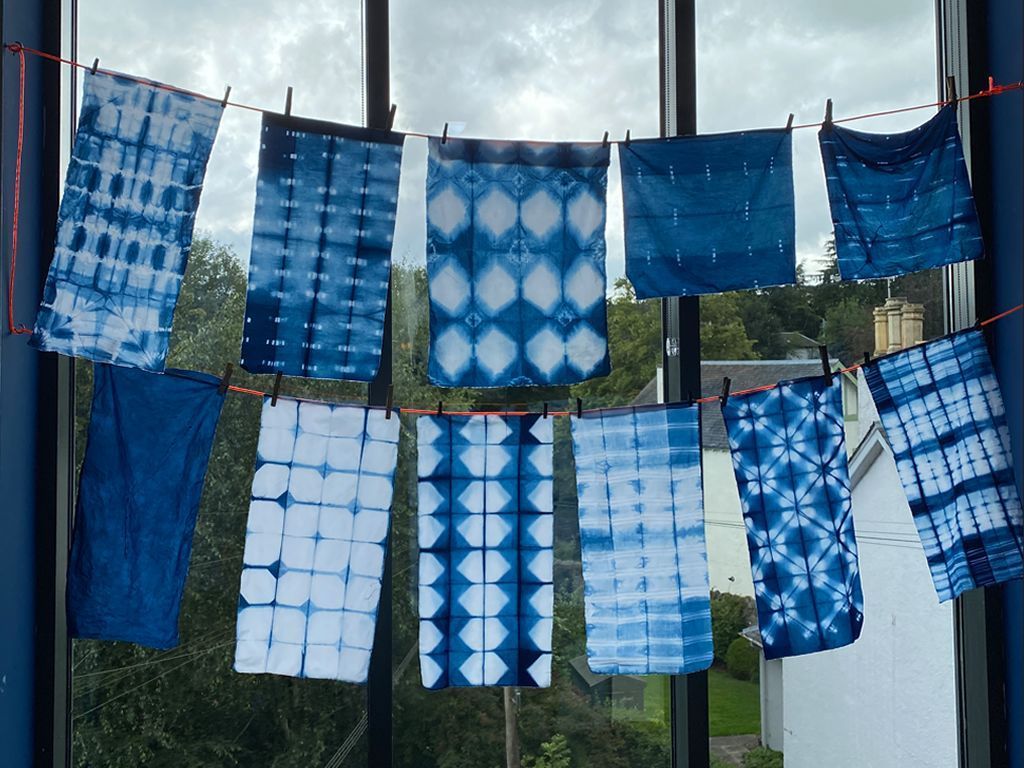
Indigo dyeing is a traditional textile technique that uses natural pigments extracted from indigo plants to create deep blue fabrics. In Northern Vietnam, ethnic minority communities such as the Hmong and Dao have practiced this method for generations, using it to color clothing and textiles that reflect cultural identity and craftsmanship.
Unlike synthetic dyeing, traditional indigo dyeing relies on a natural fermentation process in which plant leaves are transformed into pigment over time. Fabrics are dipped repeatedly into the dye and exposed to air, gradually developing the characteristic blue tone. The process is slow but produces durable textiles with strong cultural and environmental value.
As part of a broader textile tradition that includes:
- Fiber cultivation
- Weaving and garment making
- Natural dyeing techniques
Indigo dyeing represents more than decoration. For travelers, learning about this craft offers insight into Vietnam’s living heritage and reveals how everyday fabrics can carry history, knowledge, and community meaning.
A Rare Opportunity to Try Indigo Dyeing in Hanoi
Experiencing authentic indigo dyeing traditionally required traveling to mountainous regions such as Sapa or Hà Giang, where textile traditions remain deeply embedded in village life. However, not all travelers have time to journey beyond major cities. The presence of an indigo dye workshop in Hanoi offers a unique alternative, bringing elements of highland craft culture into an accessible urban setting.
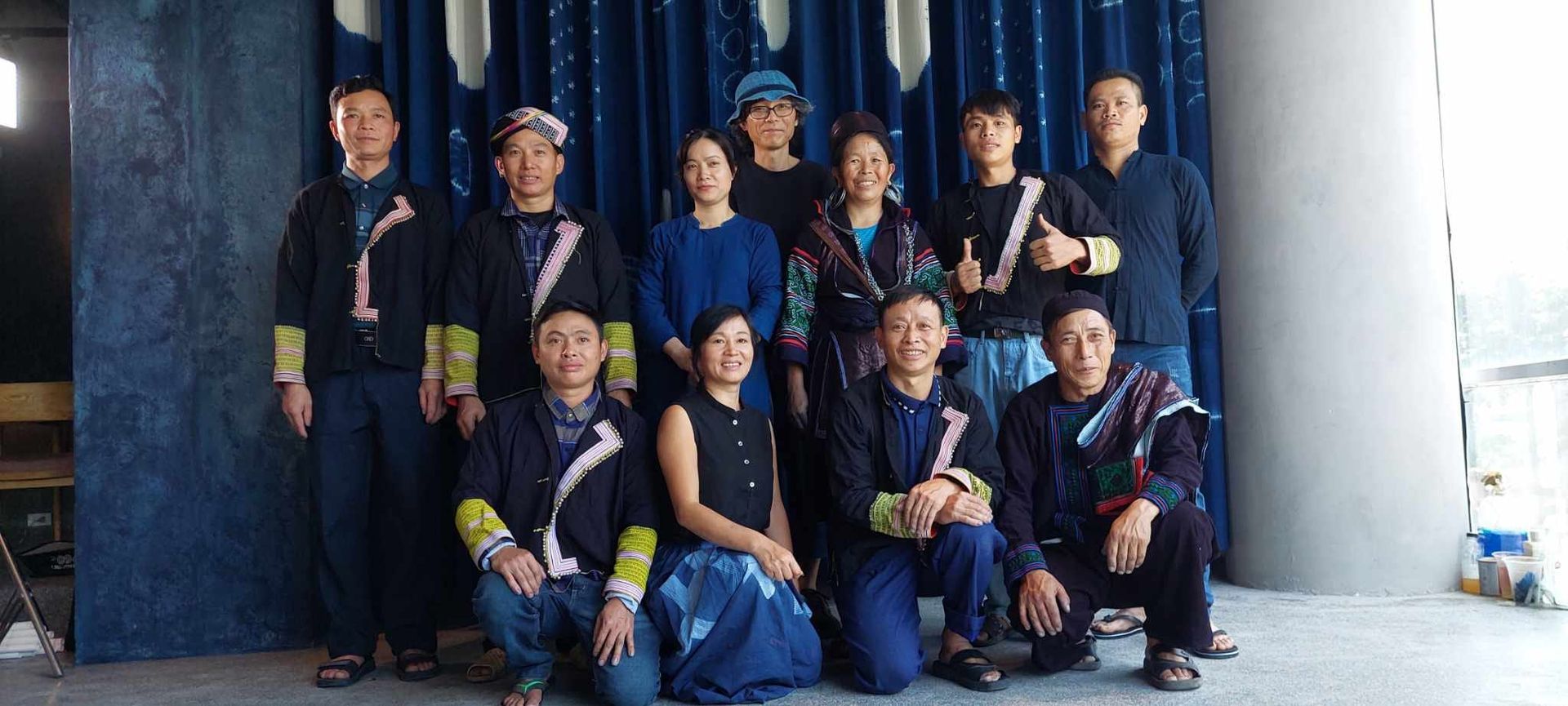
This workshop introduces visitors to natural fermentation dyeing methods using Strobilanthes cusia, a plant commonly used by ethnic artisans. By maintaining traditional techniques rather than simplified demonstrations, the workshop provides an experience that feels educational, genuine, and hands-on. For travelers seeking meaningful cultural engagement within Hanoi, this accessibility makes indigo dyeing particularly appealing.
What to Expect During the Indigo Dye Workshop?
The workshop experience typically unfolds in a relaxed, exploratory format rather than a technical class.
Participants can expect:
- A short introduction to indigo plants and dyeing traditions
- Cultural insights into ethnic communities connected to the craft
- Hands-on tie-dye practice using cotton fabric
- Dye immersion and observation of oxidation turning fabric blue
- A finished textile piece to take home
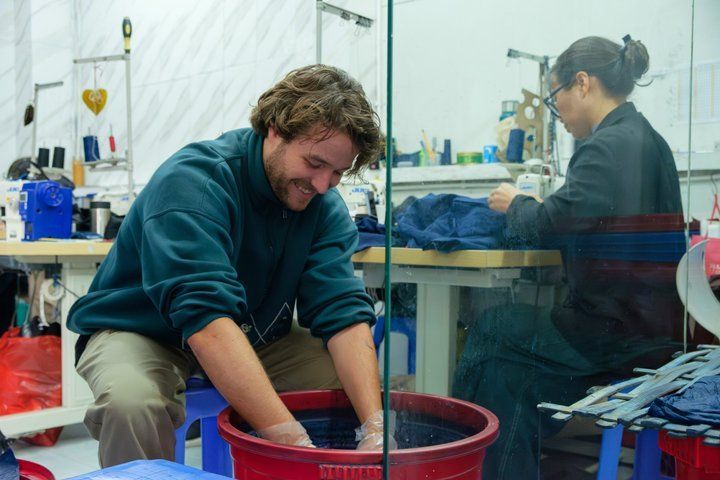
The dyeing stage often becomes the highlight. Fabric emerges from the vat in a greenish tone and slowly transforms into blue as it reacts with air, a simple yet memorable moment that captures the magic of natural dyeing.
More Than Dyeing: Understanding the Textile Journey
One of the workshop’s most valuable aspects is its ability to place indigo dyeing within a larger textile narrative. Visitors learn about hemp cultivation and fiber processing practiced by Hmong communities, where hemp plants are grown, harvested, softened, spun into thread, woven into cloth, and eventually dyed with indigo.
This broader perspective highlights how textile production involves interconnected stages rather than isolated techniques. It also reveals the time, skill, and labor behind handmade fabrics, encouraging appreciation for traditional craftsmanship in an era dominated by mass-produced textiles. For travelers interested in sustainability, this exposure to plant-based materials and slow production processes can be particularly thought-provoking.
Who This Experience Is Ideal For?
The indigo dye workshop is especially suitable for:
- Cultural explorers who want to engage with local traditions rather than only visit attractions
- Slow travelers seeking meaningful, hands-on experiences during their trip
- Repeat visitors to Vietnam looking to discover lesser-known activities beyond classic highlights
- Families and multi-generational travelers who appreciate creative, accessible activities for different ages
- Travelers with limited time in Hanoi who still want a culturally immersive experience without leaving the city
This combination of accessibility, creativity, and cultural depth makes the workshop appealing to a diverse range of visitors interested in authentic experiences.
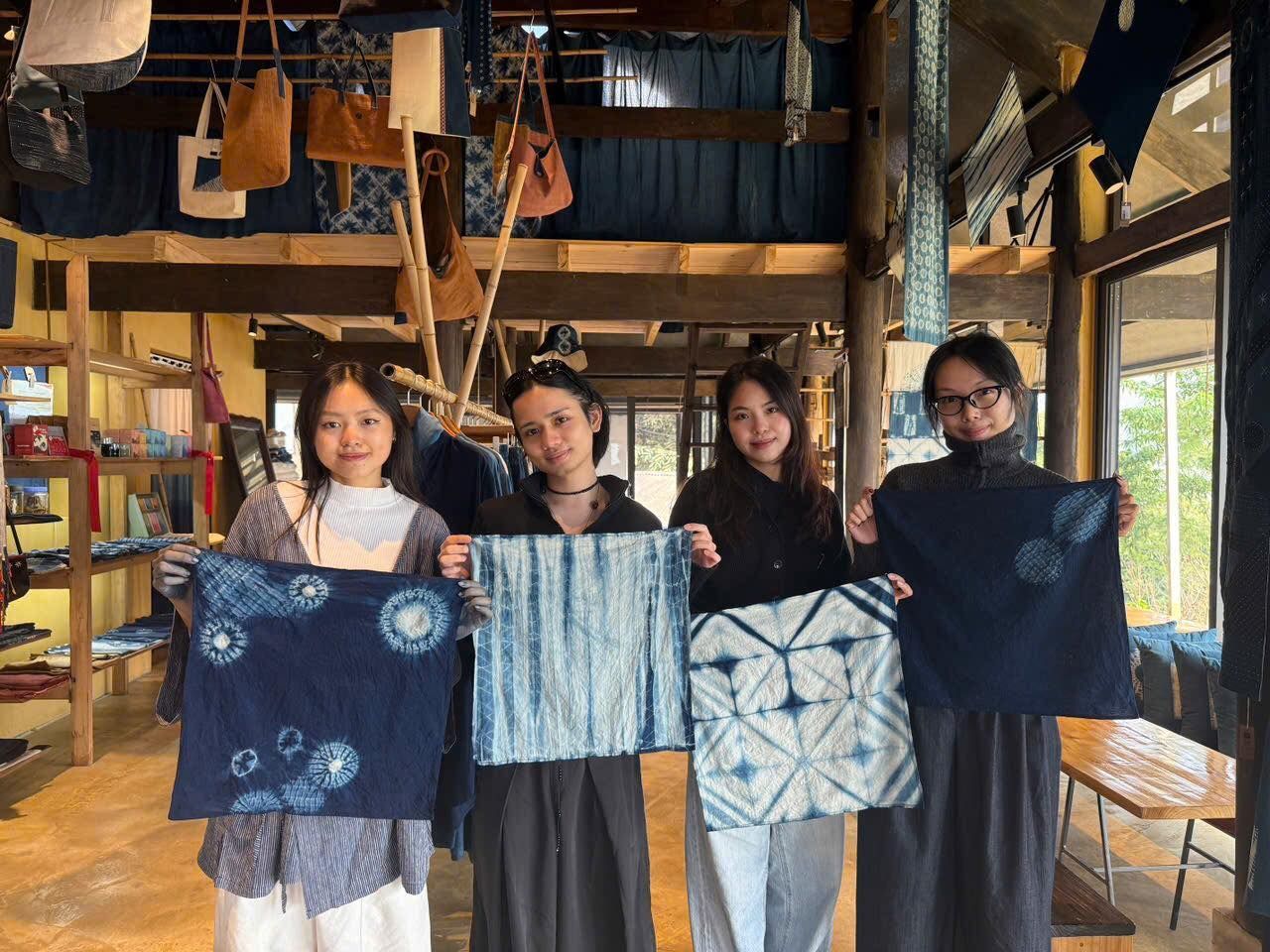
Practical Information for Visitors
The workshop takes place near the Văn Miếu area in Hanoi and is typically offered twice daily, with sessions lasting around two hours. Small group sizes create a relaxed environment and allow for personalized guidance throughout the activity. Explanations are available in multiple languages, and participants create a textile piece they can take home the same day.
Travelers interested in joining cultural workshops like indigo dyeing often arrange the experience through locally based operators who curate small, meaningful activities alongside broader itineraries. Some choose companies such as Up Travel Vietnam, which focuses on connecting visitors with hands-on cultural experiences and community-based workshops as part of personalized Hanoi explorations. Working with a local planner can help simplify booking, coordinate timing, and integrate craft experiences smoothly into a travel schedule.
Frequently Asked Questions
Do I need experience to join the indigo dye workshop?
No prior experience is required. The workshop is designed for beginners and curious learners.
How long does the workshop last?
Sessions typically run for about two hours, including introduction and hands-on practice.
Is the workshop suitable for children?
Yes, activities can be adjusted for different age groups, making it family-friendly.
Can I keep what I make?
Yes, participants take home the textile they create during the session.
Do I need to book in advance?
Advance booking is recommended because group sizes are limited and materials require preparation.
UP TRAVEL VIETNAM
Up Travel Vietnam was founded by seasoned travelers and local specialists with an ambition to offer outstanding 5-star service quality to international customers traveling to Vietnam.
Over the past 11 years, Up Travel Vietnam has got continuous years achieving
Certificate of Excellence from the most reputable organization worldwide in Tourism & Hospitality - TripAdvisor since 2015. We are proud to appear on more than
17 TV Channels, Newspapers & Magazines (namely Transit Magazine - the biggest Magazine in Tourism & Hospitality from Tokyo, Japan).