Why Vietnamese People Prefer Markets Over Supermarkets?
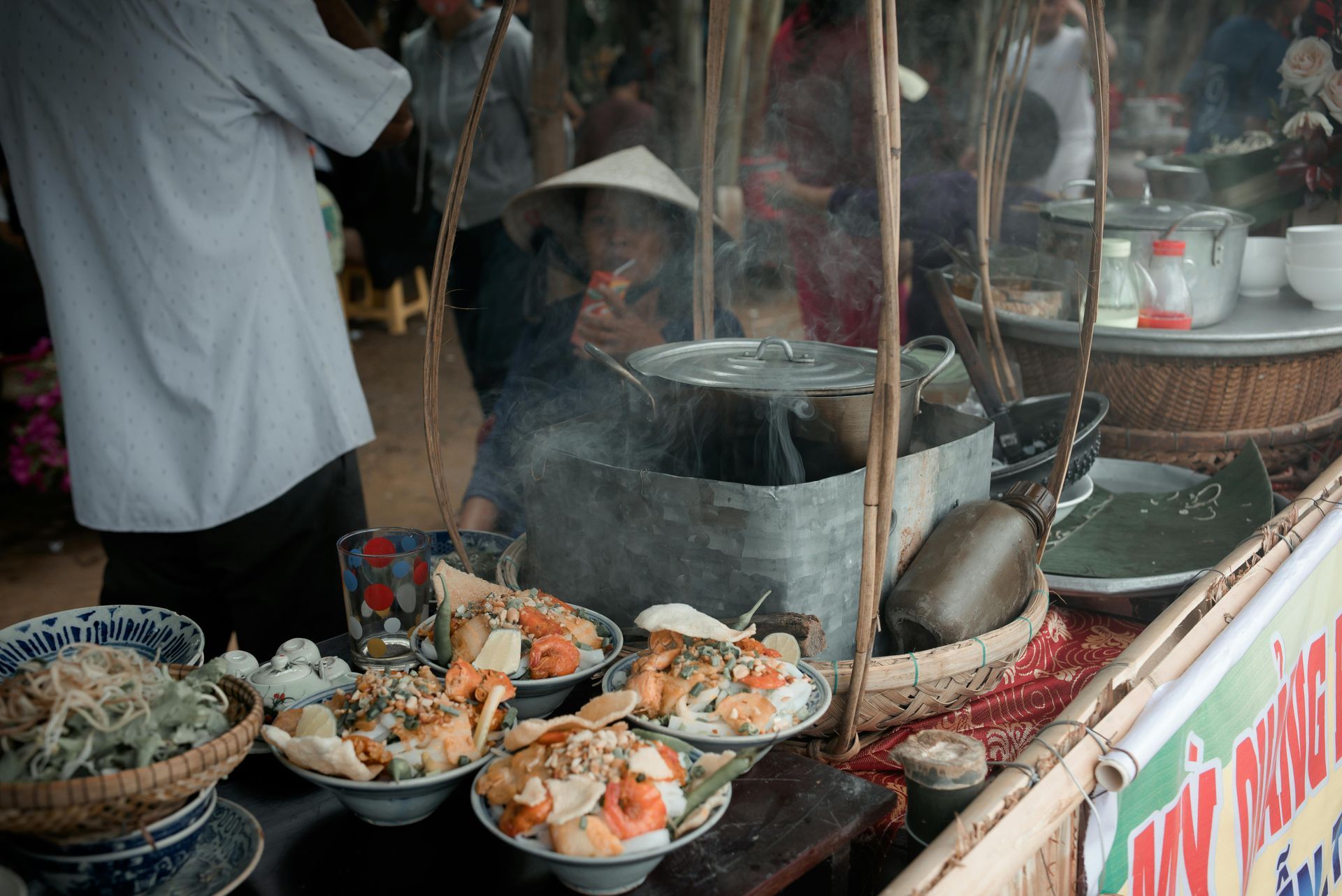
When you join the Cooking Class by Dine With Locals, one of the most memorable moments is visiting a bustling Vietnamese market. Unlike the sleek, orderly aisles of supermarkets, these local markets are vibrant, lively, and full of charm. Here, you’ll experience the thrill of bargaining, the aroma of fresh herbs and spices, and the colorful displays of fresh produce—just like a true local.
Vietnamese markets are more than just places to shop; they are hubs of culture and community. Unlike many countries where supermarkets dominate daily life, Vietnam’s markets remain a vital part of the local lifestyle, offering an unmatched authenticity and warmth. So, why do Vietnamese people frequent these markets instead of opting for modern supermarkets? Let’s dive into the reasons behind this fascinating cultural preference.
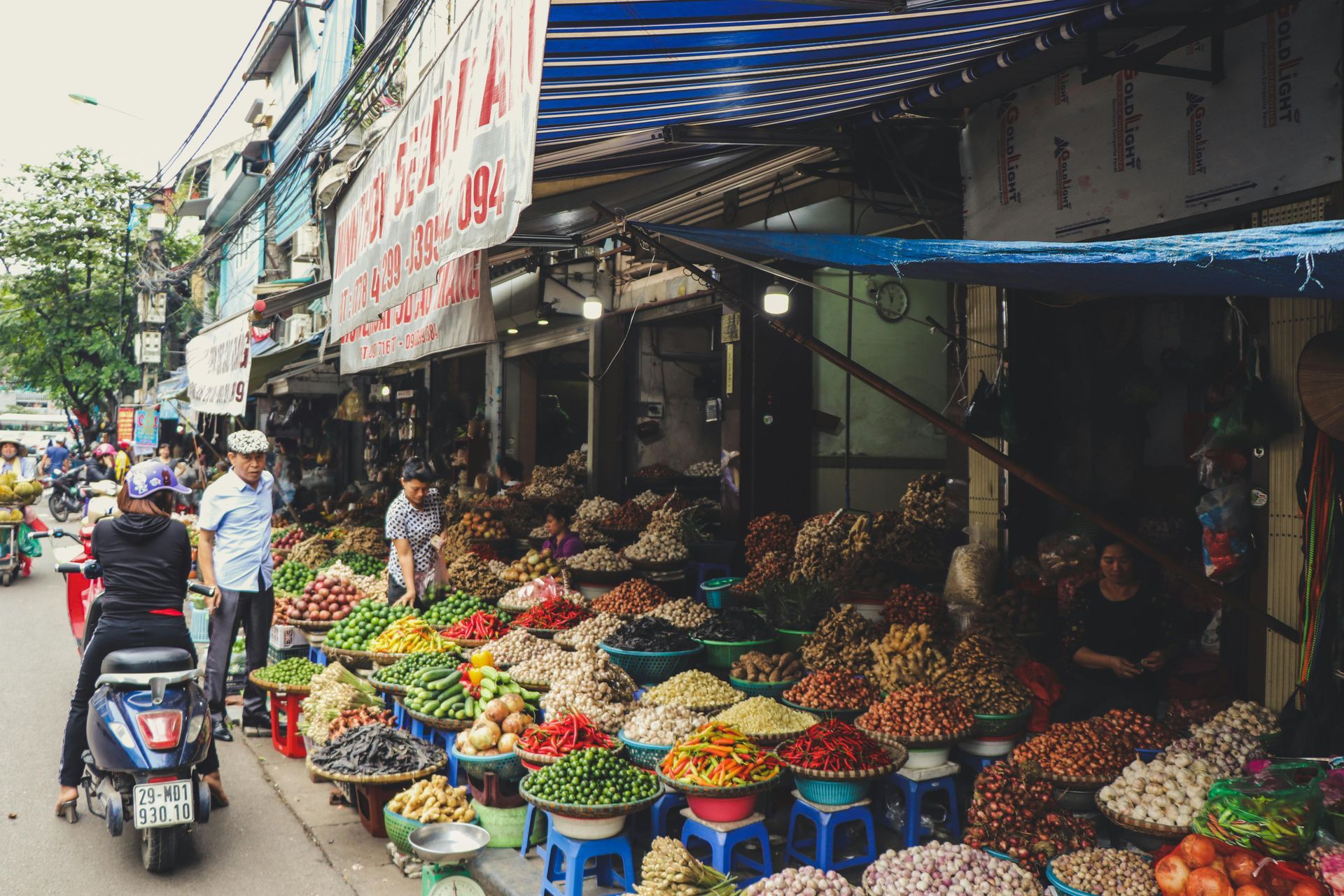
A Tradition Rooted in History
Markets have been the cornerstone of Vietnamese society for centuries. Historically, they served not only as places for trade but also as community hubs where people gathered to share stories, discuss news, and connect. These markets are woven into the cultural fabric of Vietnam, offering more than just goods—they represent a way of life.
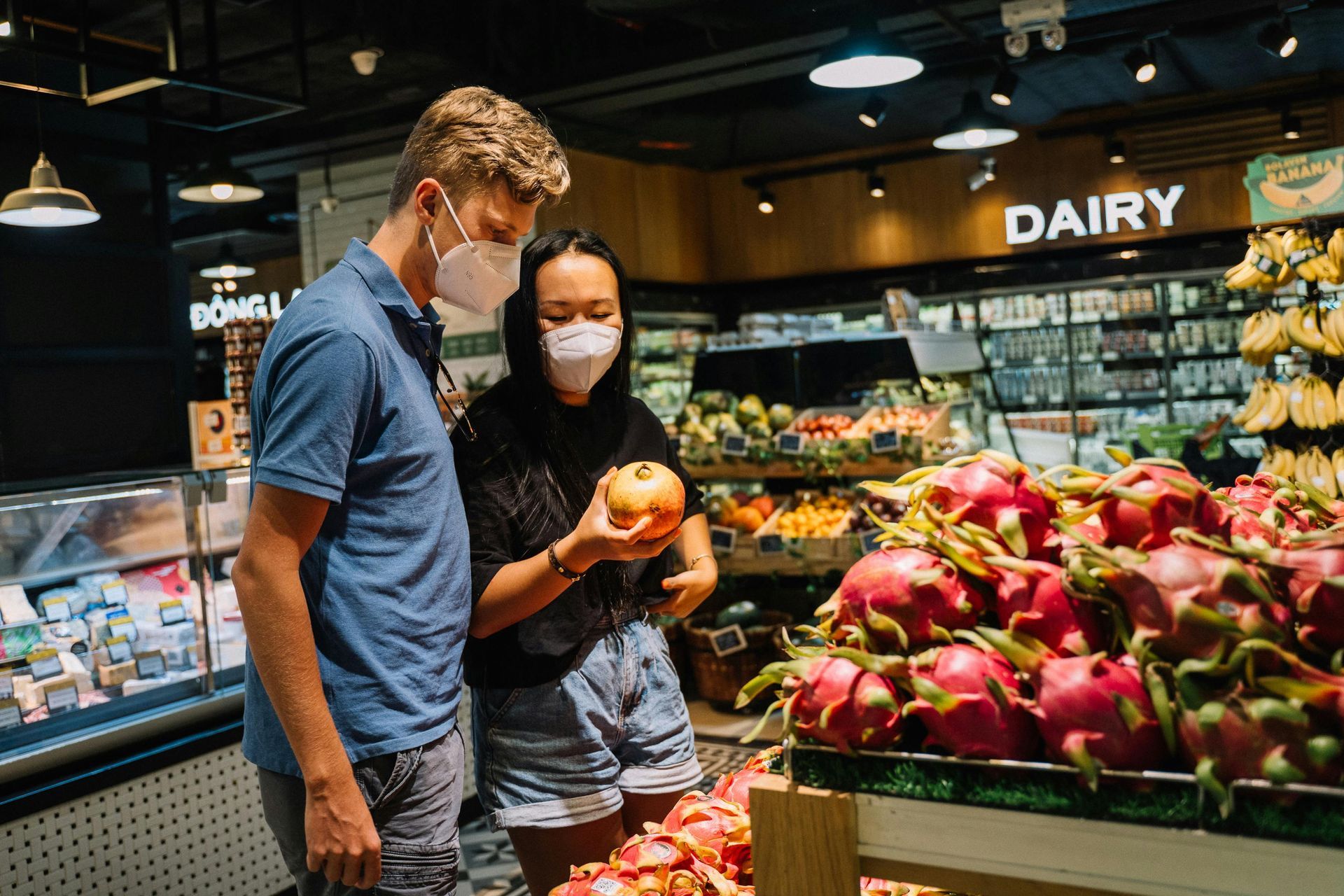
Supermarkets, by contrast, are a relatively new addition to Vietnam’s retail landscape. While they’re growing in popularity, especially in urban areas, they lack the personal touch and communal vibe that traditional markets provide.
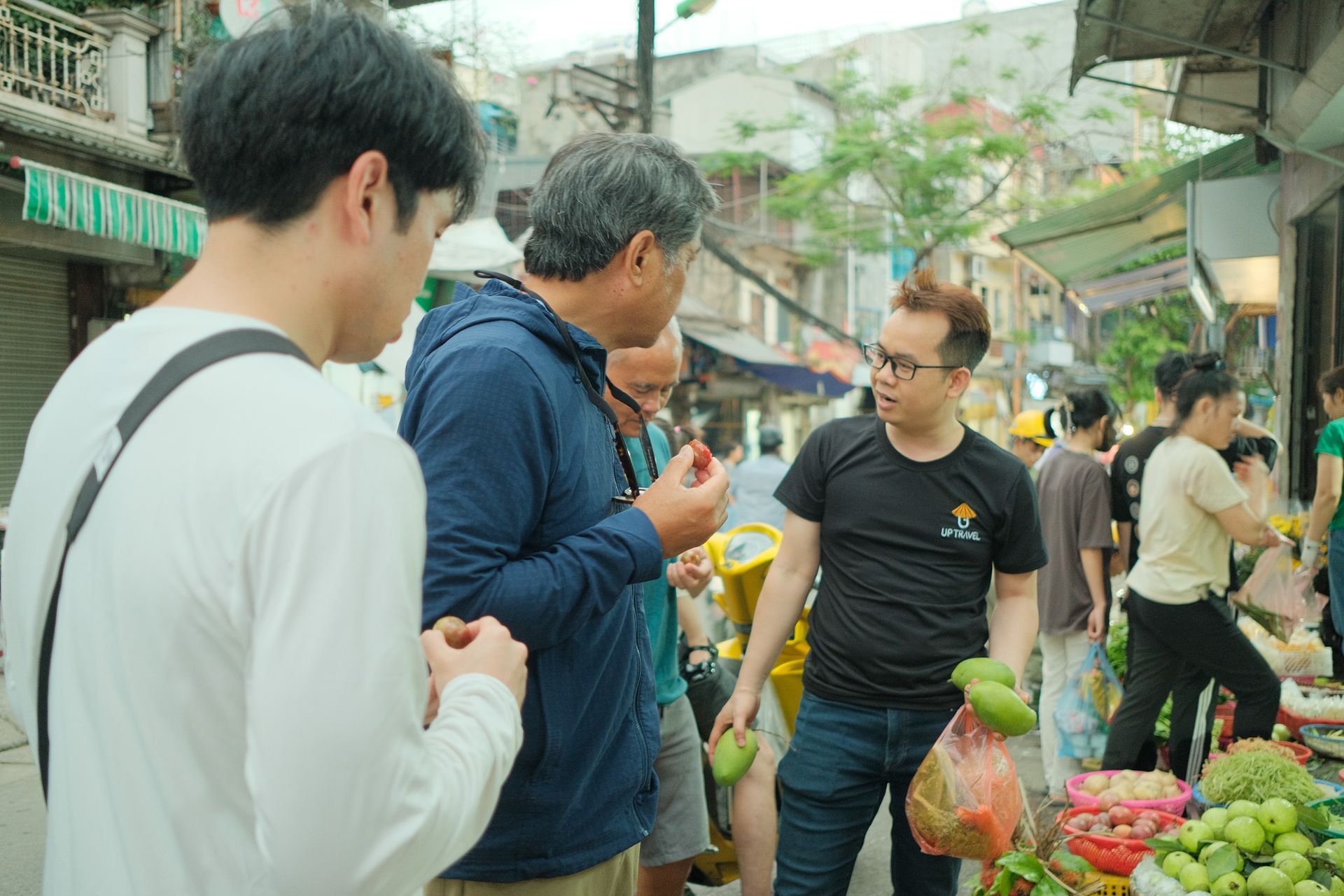
Freshness and Quality Matter
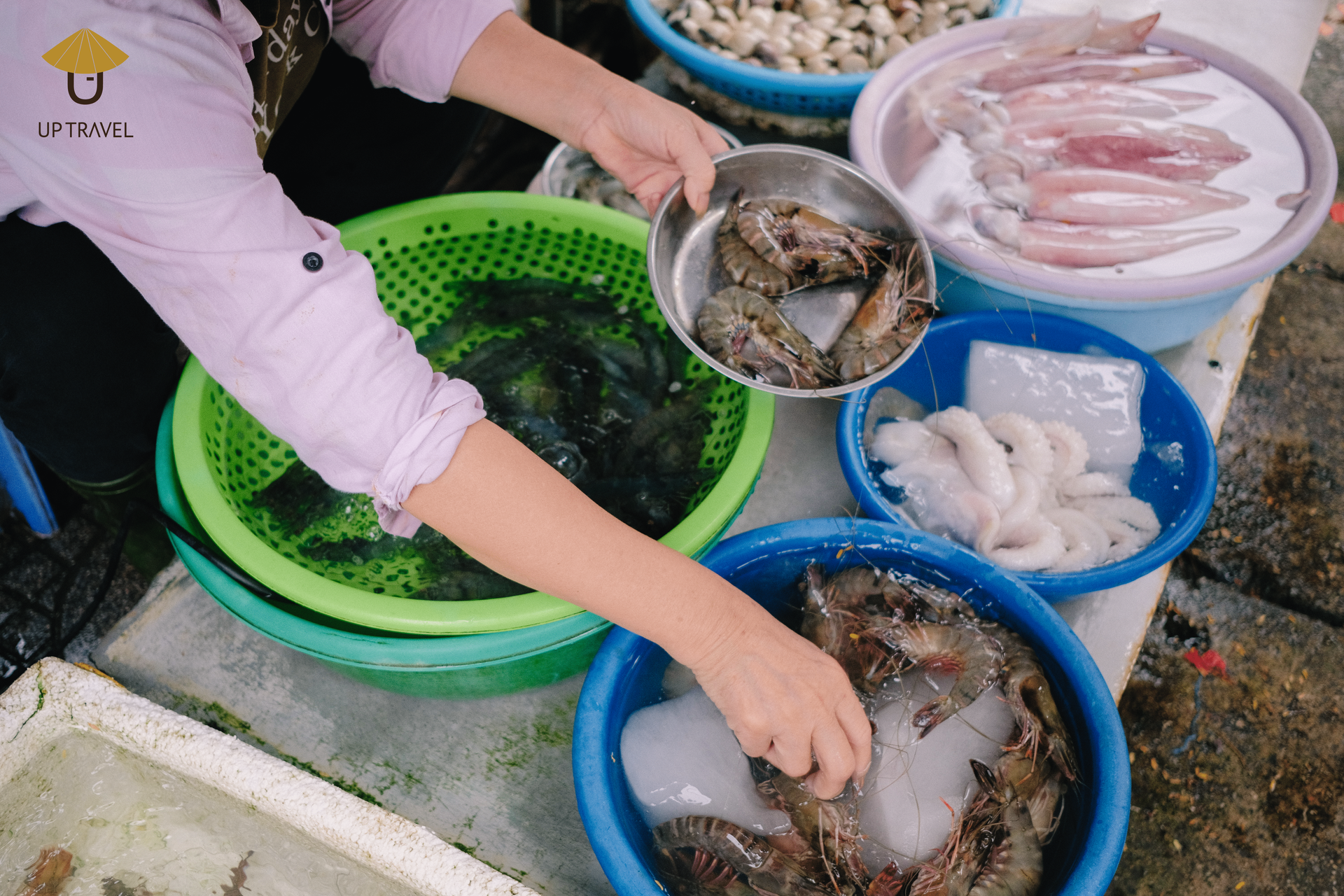
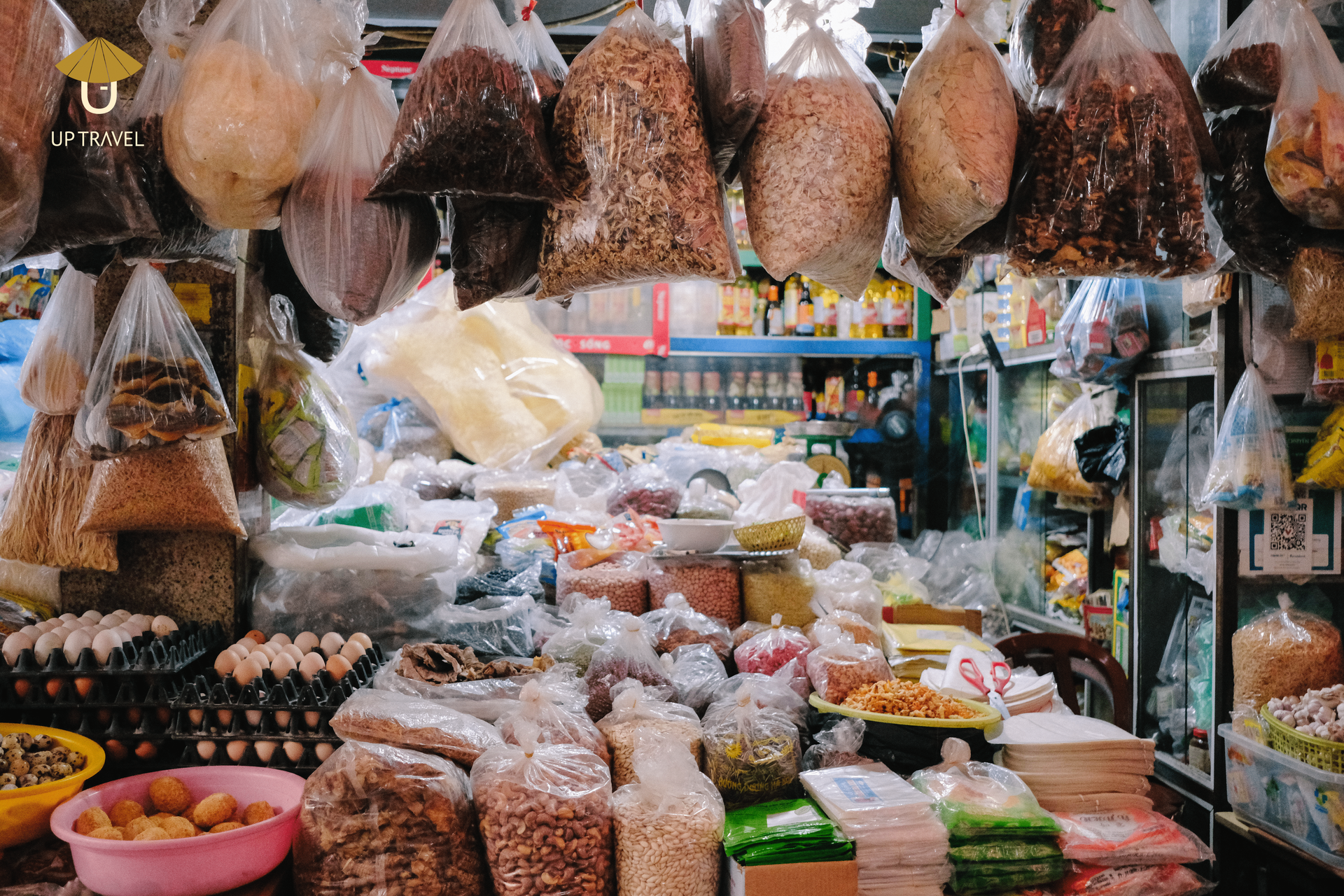
For many Vietnamese families, freshness is non-negotiable. Traditional markets often feature locally sourced produce picked that very morning, alongside freshly caught seafood and meats prepared on the spot. The vivid colors, fragrant herbs, and abundance of seasonal fruits make shopping at these markets a sensory experience.
In contrast, supermarket produce often travels long distances and spends days on shelves, leading many to perceive it as less fresh. Vietnamese cooks, known for their precision and dedication to flavor, prefer market ingredients to ensure the authenticity and quality of their dishes.
Personal Relationships with Vendors
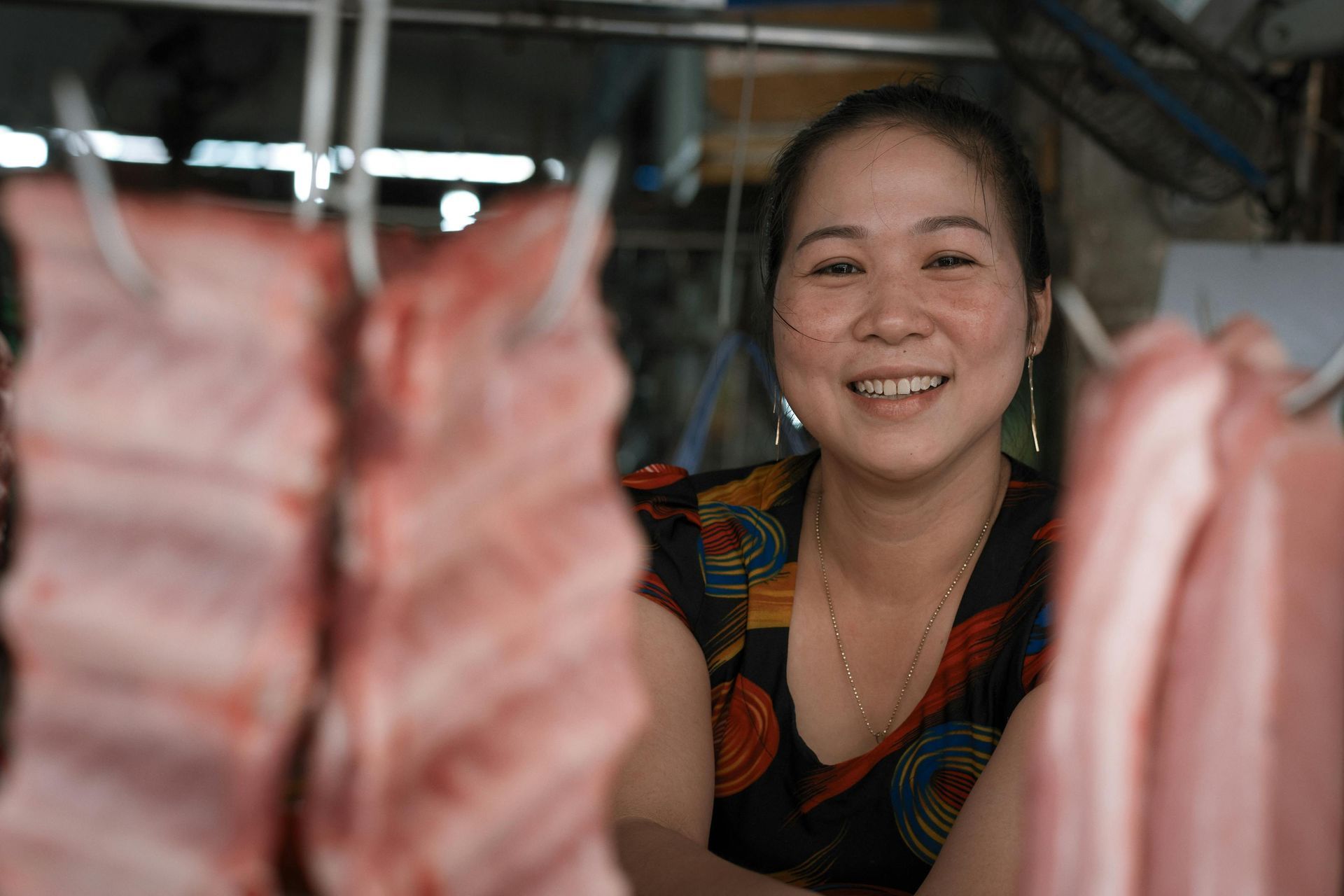
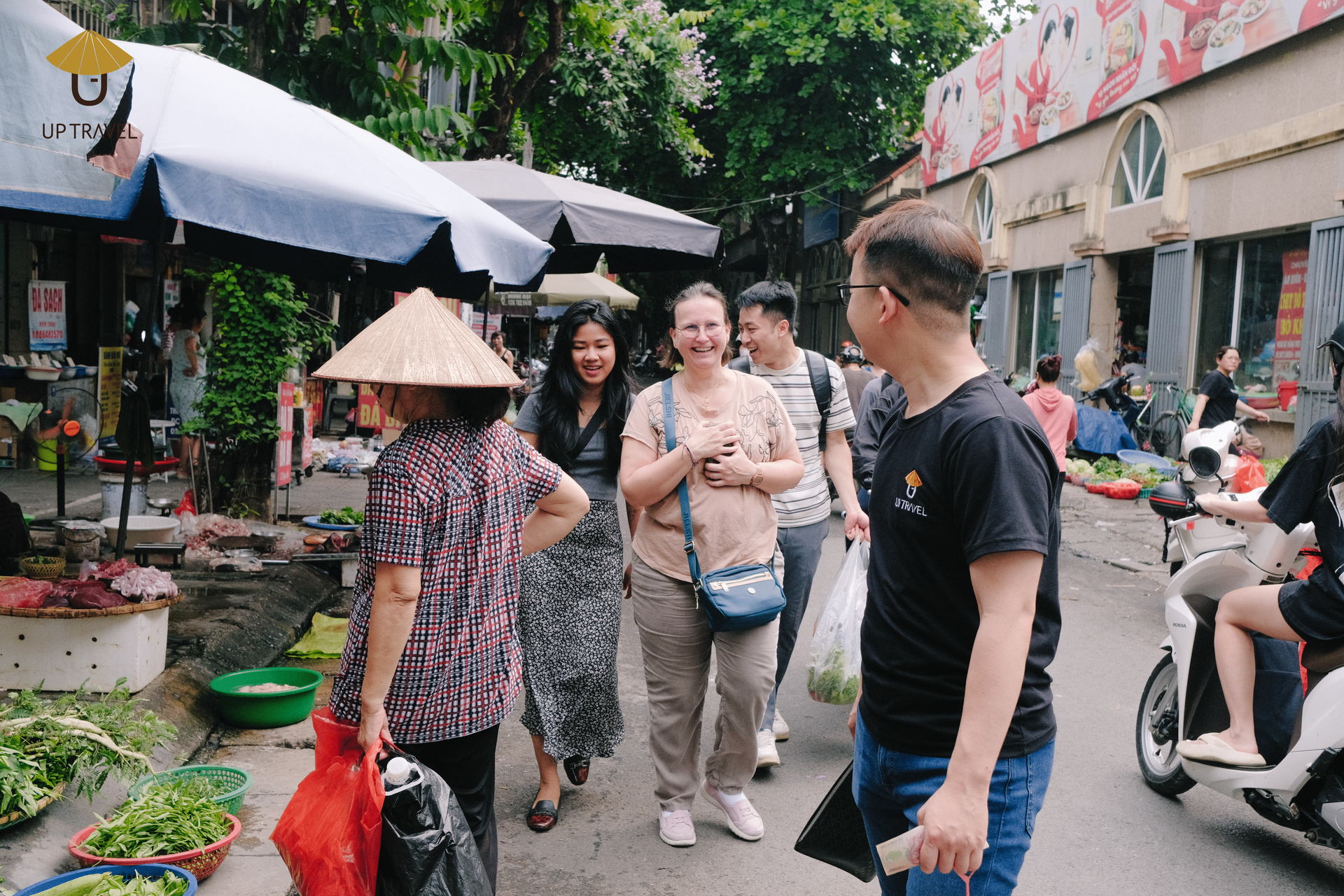
One of the most unique aspects of Vietnamese markets is the relationship between buyers and sellers. Regular customers often build close bonds with their preferred vendors, who might offer discounts, the best cuts of meat, or advice on selecting produce. This trust and familiarity create a sense of loyalty that supermarkets can’t replicate.
In a supermarket, transactions are impersonal and standardized. There’s no opportunity to bargain, exchange pleasantries, or learn the stories behind the products—a stark contrast to the lively interactions that make market shopping so special.
Affordability and Variety
Markets are known for their affordability. Vendors compete to offer the best prices, and bargaining is a common practice. For budget-conscious shoppers, this is a significant advantage over the fixed pricing in supermarkets.
Moreover, markets often carry items that supermarkets don’t, such as niche herbs, homemade tofu, or freshly made rice noodles. The variety and uniqueness found in markets make them a treasure trove for adventurous cooks.
Convenience in Daily Life
Vietnamese markets are designed for quick, everyday visits. Many people shop for fresh ingredients daily rather than stockpiling groceries for a week—a habit tied to smaller living spaces and a preference for freshly cooked meals.
In urban neighborhoods, local markets are often just a short walk or motorbike ride away, making them more accessible than large supermarkets located in city centers or malls.
A Cultural Experience for Tourists
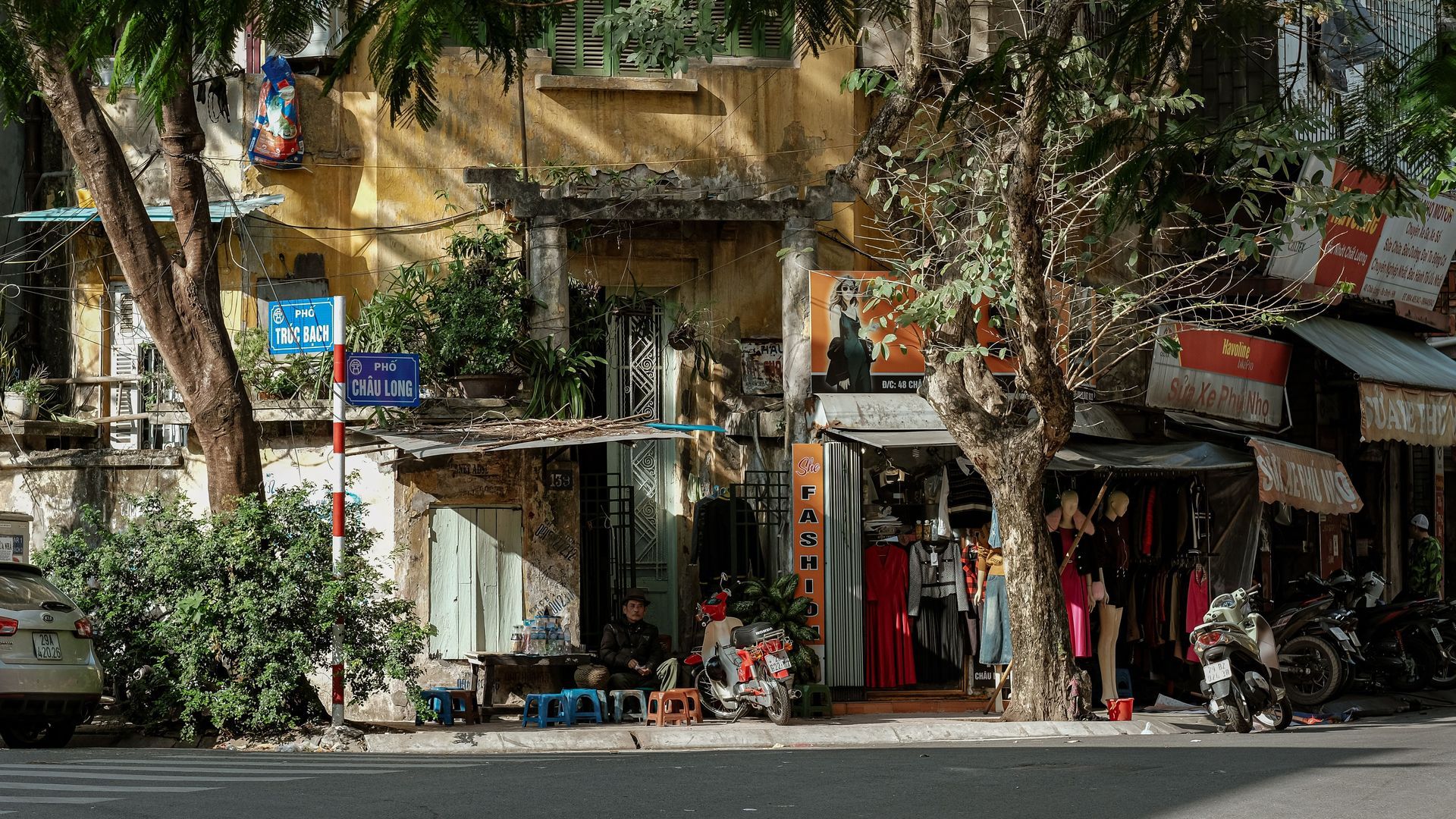
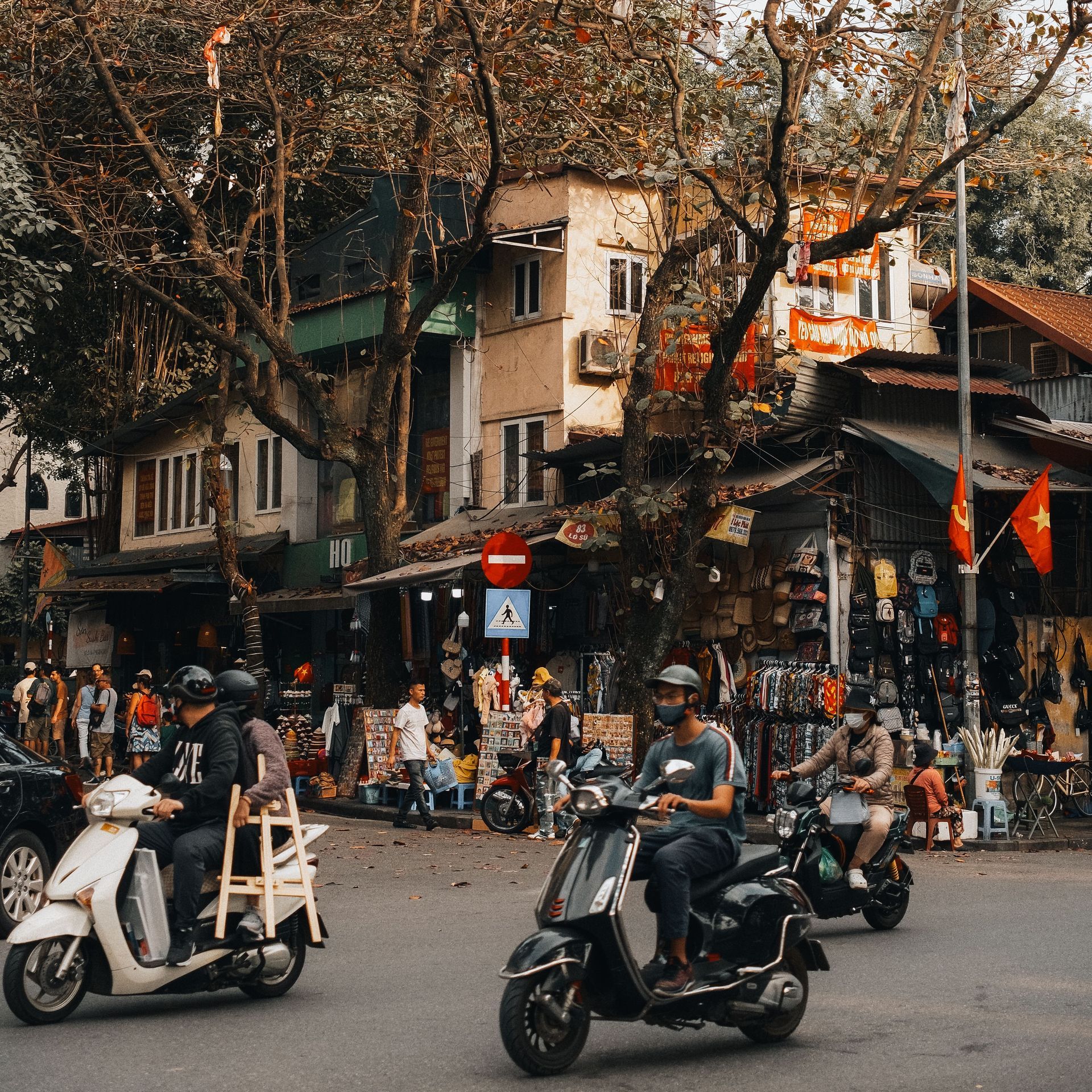
For travelers, Vietnamese markets are a window into the country’s soul. Whether it’s the colorful chaos of Hanoi’s Old Quarter markets, the serene floating markets of the Mekong Delta, or the aromatic spice stalls in Hoi An, markets offer an authentic glimpse into daily life.
As a visitor, strolling through a Vietnamese market is an opportunity to engage with locals, taste street food, and discover ingredients you might never encounter elsewhere. It’s an experience that captures the vibrancy and warmth of Vietnam’s culture.
Supermarkets: A Growing Trend
Markets hold a special place in Vietnamese culture, blending practicality with a sense of tradition and community. For travelers, they offer a window into local life that supermarkets simply can’t provide.
When you participate in the Cooking Class by Dine With Locals, the market visit becomes a highlight of your experience. It’s a chance to not only gather fresh, authentic ingredients but also connect with the heart of Vietnam’s vibrant culture.
So next time you’re in Vietnam, skip the supermarket. Explore local markets, cook authentic dishes, and experience life like a true local - Tailored just for you.
UP TRAVEL VIETNAM
Up Travel Vietnam was founded by seasoned travelers and local specialists with an ambition to offer outstanding 5-star service quality to international customers traveling to Vietnam.
Over the past 11 years, Up Travel Vietnam has got continuous years achieving
Certificate of Excellence from the most reputable organization worldwide in Tourism & Hospitality - TripAdvisor since 2015. We are proud to appear on more than
17 TV Channels, Newspapers & Magazines (namely Transit Magazine - the biggest Magazine in Tourism & Hospitality from Tokyo, Japan).